China Best Chain Saw Manufacturers for Global Buyers

Choosing a dependable China Chain Saw manufacturer requires more than comparing catalog prices. Global buyers need evidence of manufacturing experience, product consistency, and responsive communication. A factory may offer attractive models, yet its real value appears in testing records, component control, and after-sales support.

This guide examines leading Chinese manufacturers through practical sourcing criteria. We consider engine performance, battery systems, guide-bar quality, safety features, and production capacity. We also review certifications, quality-control procedures, export experience, and customization services. Factory audits, sample testing, and clear technical specifications can reveal important differences. Small details matter. Packaging strength matters. Spare-part availability matters.

A reliable supplier should explain its process clearly. Buyers should ask how each unit is inspected before shipment. They should also confirm warranty terms, replacement procedures, and documentation for their destination market. Production scale alone does not prove dependable quality. Personal experience with samples can provide useful evidence, but one sample cannot represent every batch. That limitation deserves attention.

The manufacturers discussed here are evaluated for their suitability for distributors, retailers, landscaping businesses, and professional users. Our approach values transparent communication over impressive promises. We acknowledge that supplier information can change, and independent verification remains essential. This overview is a practical starting point, not a substitute for technical due diligence. With careful comparison, global buyers can identify capable partners and reduce avoidable sourcing risks.
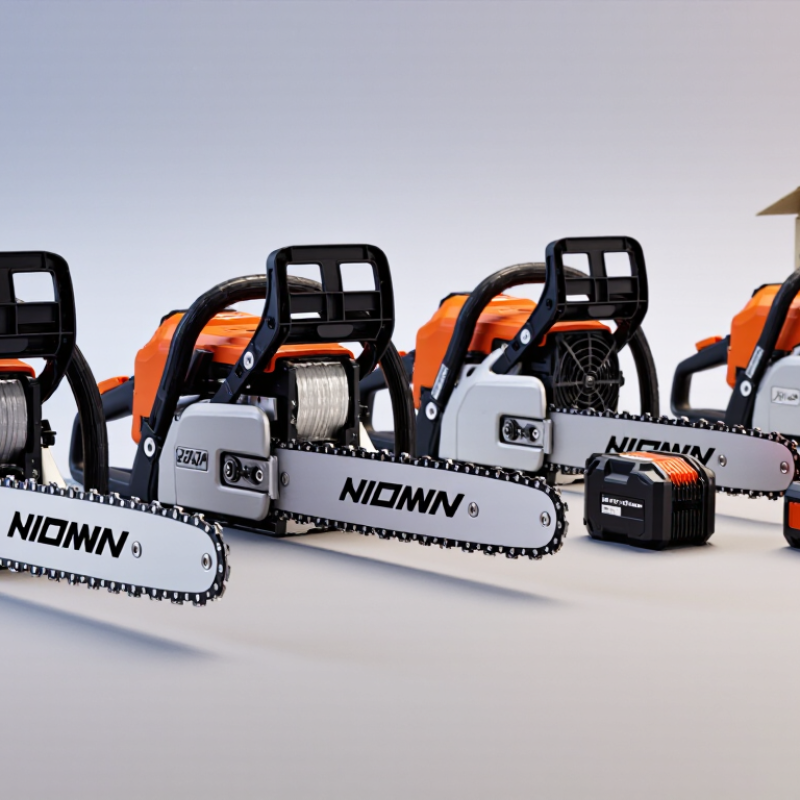
China Best Chain Saw Manufacturers for Global Buyers

China’s Chainsaw Manufacturing Industry and Global Market Role

China’s chainsaw manufacturing industry supports a broad global supply network. Factories serve forestry, landscaping, construction, and household users. Their strengths include mature metal processing, battery integration, and flexible production volumes. Exporters also benefit from nearby suppliers for motors, guide bars, chains, and safety components.

Grand View Research estimates the global chainsaw market reached about USD 4.1 billion in 2023. It projects growth at roughly 5.2% annually through 2030.

Mordor Intelligence reports different figures because product categories and regions vary. The gap matters. China’s role is significant, but public trade data often combines chainsaws with other motorized hand tools. This makes exact market-share claims difficult. Reliable manufacturers should provide traceable testing records, clear specifications, and documented quality controls.

Tips: Compare cutting performance, noise levels, battery standards, warranty terms, and spare-part availability. Check whether suppliers follow applicable safety and emissions rules in your target market. Factory audits can reveal more than attractive catalog photos. Buyers should also request sample testing before placing large orders. Even experienced purchasers can overlook vibration control and chain-brake performance. Safety deserves practical attention.
Main Types of Chainsaws Made by Chinese Manufacturers

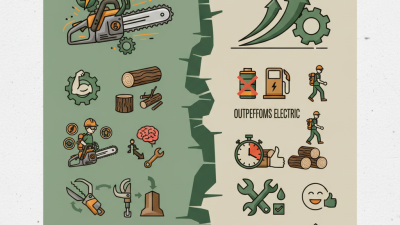
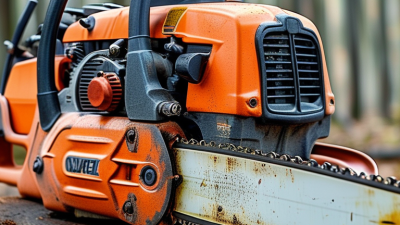
Chinese chainsaw manufacturers commonly produce three main types: petrol, cordless battery, and corded electric models. Petrol saws deliver high cutting power for forestry, storm cleanup, and thick hardwood. They usually use 40–70 cc engines and longer guide bars. Cordless models suit gardens, farms, and light construction work. Their quiet operation and lower maintenance appeal to urban users. Corded electric saws remain useful near workshops, although cable range limits outdoor mobility.

Market data supports this product split. Grand View Research estimated the global chainsaw market at about USD 4.5 billion in 2023, with steady growth expected through 2030. Battery-powered equipment is gaining attention because users increasingly value lower noise and reduced direct emissions. However, battery performance changes sharply in cold weather and under continuous cutting. That detail is easy to overlook.

Chinese factories also make specialized top-handle saws, rear-handle saws, and telescopic pole saws. Top-handle models are compact but require experienced handling. Pole saws help trim branches from ground level, yet balance and vibration deserve careful testing. In practical sourcing, buyers should compare chain speed, oil-feed design, motor temperature, charger protection, and spare-parts availability. A lower quotation can hide weaker switches or inconsistent chain tension. Independent test reports, production records, and conformity documents provide stronger evidence than catalog claims. Product selection is not perfect at first; field trials with local wood species often reveal problems that laboratory specifications miss.

China Best Chain Saw Manufacturers for Global Buyers - Main Types of Chainsaws Made by Chinese Manufacturers

Chainsaw Type Typical Power Source Common Guide Bar Length Typical Output or Engine Range Typical Net Weight Best-Fit Applications Main Buying Considerations
Gasoline Rear-Handle Chainsaw Two-stroke gasoline engine 16–24 in (40–60 cm) 30–70 cc; approximately 1.2–3.5 kW 5–8 kg, excluding fuel and cutting attachment Felling, bucking, firewood processing, and demanding outdoor work Engine durability, starting system, fuel efficiency, chain brake, vibration control, and emissions compliance
Gasoline Top-Handle Chainsaw Compact two-stroke gasoline engine 10–16 in (25–40 cm) 25–40 cc; approximately 0.8–1.8 kW 3–5 kg, excluding fuel and cutting attachment Professional tree maintenance and work in elevated positions Handle layout, balance, throttle safety, chain-brake response, professional-use suitability, and operator training requirements
Cordless Battery Chainsaw Rechargeable lithium-ion battery 10–20 in (25–50 cm) 18–80 V nominal system; approximately 0.8–3.0 kW peak motor output 3–7 kg, typically excluding battery Home maintenance, landscaping, pruning, and noise-sensitive areas Battery capacity, charger compatibility, run time, brushless motor design, thermal protection, and replacement-battery supply
Corded Electric Chainsaw Mains electricity, commonly 120 V or 220–240 V AC 12–18 in (30–45 cm) 1,500–2,400 W 3.5–5.5 kg Garden cutting, small logs, storm cleanup, and work near a power outlet Destination-country voltage, plug type, cable strain relief, overload protection, chain lubrication, and outdoor electrical safety
Battery Mini Chainsaw Rechargeable lithium-ion battery 4–8 in (10–20 cm) 12–21 V nominal system; compact motor design 1–3 kg, generally including battery Light pruning, small branches, DIY projects, and garden maintenance One-hand-use claims, guard design, trigger lock, battery safety, chain-tension adjustment, and intended branch diameter
Gasoline Pole Saw Two-stroke gasoline engine with extension shaft 8–12 in (20–30 cm) 25–33 cc; approximately 0.7–1.2 kW 6–10 kg, depending on shaft length and attachment Pruning high branches from ground level and orchard maintenance Shaft reach, machine balance, adjustable cutting head, anti-vibration features, transport size, and harness compatibility
Cordless Battery Pole Saw Rechargeable lithium-ion battery with telescopic shaft 8–12 in (20–30 cm) 18–80 V nominal system 4–8 kg, typically excluding or separately specifying battery weight Residential pruning, landscaping, orchards, and low-noise maintenance Working height, shaft rigidity, cutting-head angle, battery run time, balance, and transport or storage length
Electric Pruning Saw Cordless battery or low-voltage rechargeable pack 6–12 in (15–30 cm) Commonly 12–36 V nominal system 1.5–4 kg, depending on battery configuration Orchard pruning, landscaping, and cutting small-to-medium branches Cutting capacity, hand protection, trigger interlock, oiling system, battery charging time, and replacement chain availability

Note: The specifications shown are typical export-market ranges for product categories commonly manufactured in China. Actual specifications vary by model, configuration, destination-market requirements, and included accessories. Product weight should be confirmed with the supplier as either tool-only or ready-to-use weight.

How to Evaluate Chinese Chainsaw Manufacturers

China Best Chain Saw Manufacturers for Global Buyers

How to Evaluate Chinese Chainsaw Manufacturers

Evaluating Chinese chainsaw manufacturers requires more than comparing prices. Start by checking factory experience, production capacity, and product documentation. A reliable supplier should explain engine specifications, chain materials, safety features, and maintenance requirements clearly. Ask for recent test reports and certification records that match your destination market.

Request a sample before placing a large order. Examine the starter, throttle response, chain brake, handle balance, and casing finish. A practical inspection often reveals details that catalog photos hide. Check whether the sample matches the final production model. Some suppliers communicate well before payment but respond slowly after problems appear. That difference matters.

Visit the factory, if possible, or arrange a live video inspection. Look for incoming-material checks, assembly testing, torque controls, and final performance records. Ask how defective units are isolated and replaced. Also review packaging strength, spare-parts availability, warranty terms, and technical support. In my experience, clear answers usually reflect organized processes, though not always. No factory is flawless. I would rather see an honest corrective plan than hear perfect promises. Compare several manufacturers using the same checklist, and record every commitment in writing.

Leading Chinese Chainsaw Manufacturers for International Buyers

China has become a major sourcing destination for international chainsaw buyers. Leading Chinese chainsaw manufacturers serve distributors, forestry suppliers, and outdoor equipment retailers across many markets. Experienced buyers usually examine more than price. They review engine performance, chain braking response, vibration control, fuel efficiency, and long-term parts availability.

Reliable manufacturers should provide clear specifications, inspection records, operating manuals, and test information. They should also explain which components are produced in-house and which are sourced externally. This detail matters. A factory visit or video audit can reveal assembly conditions, quality checks, and warehouse organization. However, paperwork alone is not enough. Product samples should be tested under realistic workloads before large orders are confirmed. Small weaknesses may appear after several hours of cutting.

Tips: Ask for sample units, spare-parts lists, warranty terms, and export documentation. Confirm applicable safety standards in the destination market. Compare noise, weight, starting performance, and maintenance access. Keep communication in writing. It reduces confusion later.

International buyers should also assess production capacity and after-sales support. A manufacturer may offer attractive customization, yet struggle with consistent delivery. That risk deserves attention. In my experience, practical cooperation often matters more than polished presentations. Some buyers focus heavily on the first quotation and overlook replacement parts. That is a mistake. A competitive supplier should welcome technical questions, admit limitations, and improve when testing reveals problems. Reliability is built through evidence, not promises.

China Best Chain Saw Manufacturers for Global Buyers

Representative gasoline chainsaw engine-displacement benchmarks by buyer application. These figures reflect commonly published market specification ranges and do not represent any individual company or brand.

Larger engine displacement generally supports longer guide bars and heavier cutting workloads. Buyers should also compare emissions compliance, safety features, warranty support, spare-parts availability, and regional certification requirements.

Export Standards, Quality Control, and Buyer Verification Steps

China Best Chain Saw Manufacturers for Global Buyers

Export compliance starts with the exact model, not a sales brochure. ISO 11681-1 covers safety requirements for portable chain saws, while ISO 12100 supports machinery risk assessment. Buyers should request current test reports, production records, and manuals matching the shipped model. CE documentation may apply to European sales, but its scope must match the product and market. A copied certificate is not proof of conformity.

Quality control should be visible on the factory floor. Inspectors can check chain-brake response, throttle return, oil flow, vibration, noise, and hot-start performance. Each unit should carry a traceable serial number. Ask for sampling plans based on ISO 2859-1, including acceptance limits for safety defects. FAO’s Global Forest Resources Assessment 2020 reports that forests cover 4.06 billion hectares, or about 31% of global land area. That scale increases demand, but it also raises the cost of weak verification.

Buyer verification needs evidence, not confidence. Compare the business license, factory address, export history, and test-laboratory accreditation. Arrange a pre-shipment inspection with photographed measurements and sealed samples. Check spare-part availability and warranty response times in writing. A factory audit can reveal excellent assembly but poor documentation. We have seen this mismatch before. It deserves attention. Samples should also be tested after transport, because vibration, packaging, and fuel-system storage can expose problems missed at the factory.

  • facebook
  • linkedin
  • twitter
  • youtube