China Top Garden Tools Manufacturers for Global Buyers
Global demand for Garden Tools is expanding, but market estimates are not perfectly consistent. Mordor Intelligence values the garden tools market at about USD 10.4 billion in 2024. Its forecast suggests growth toward USD 12.7 billion by 2029. Grand View Research reports a broader gardening equipment market, valued at approximately USD 16.4 billion in 2023. These differences reflect varying product definitions. Some reports include powered equipment, irrigation products, and outdoor machinery. Buyers should compare methodologies before trusting any single number.
China remains a major sourcing base for hand tools, pruning equipment, watering products, and battery-powered garden machinery. Its advantages include dense supplier networks, established metalworking capacity, and flexible private-label production. However, low factory pricing alone does not prove reliability. A serious evaluation should examine steel grades, coating durability, motor performance, battery certifications, packaging tests, and after-sales response. Small details matter. A loose hinge or poorly balanced handle can create returns quickly.
Joe Lamp’l, gardening educator and host of Growing a Greener World, said, “The right tool makes gardening easier, more efficient, and more enjoyable.” This practical view explains why professional buyers inspect usability, not just specifications. Factory audits, sample testing, and production inspections remain essential. Even experienced importers can miss seasonal quality problems. Supplier performance may change after the first order. Therefore, this guide reviews leading Chinese Garden Tools manufacturers through product capability, export experience, quality controls, customization support, and communication standards. The goal is not to label one supplier universally “best.” Buyer needs differ. A dependable shortlist is more valuable than an impressive ranking.
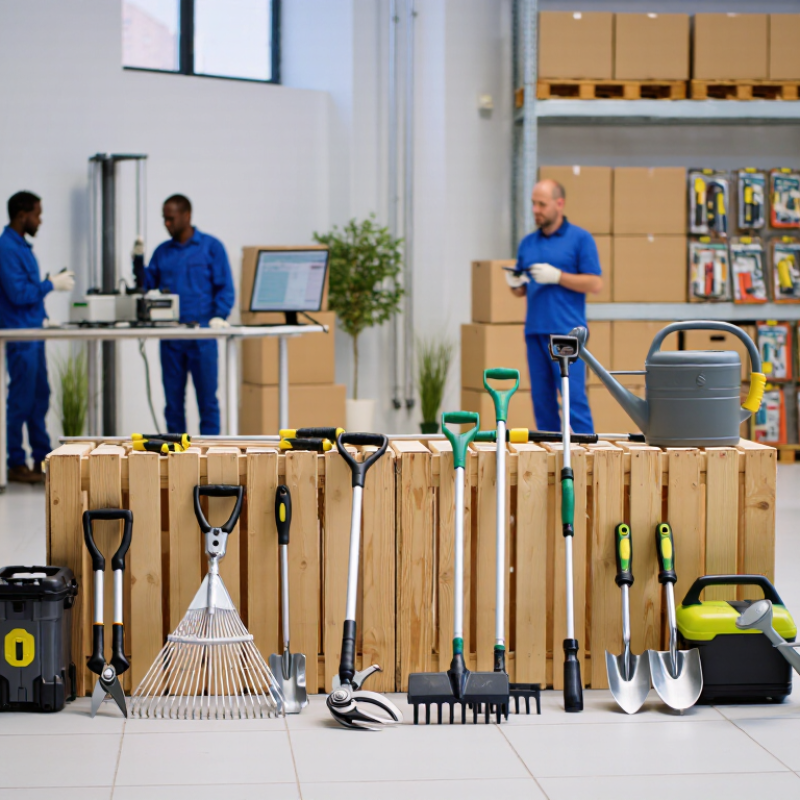
China’s garden tools manufacturing landscape is broad, practical, and highly segmented. Production ranges from hand pruners and hoes to battery-powered trimmers. Many factories operate near metalworking, plastics, and motor-component supply chains. This proximity can shorten development cycles. It can also create uneven quality between suppliers. In my sourcing experience, a polished sample proves little without process records. Buyers should examine forging, heat treatment, coating, assembly, and final inspection separately. Small details matter. A comfortable grip may reveal careful engineering, not just attractive packaging.
Tips: Request material certificates, inspection photos, and recent test reports. Confirm blade hardness, handle strength, corrosion resistance, and carton performance. Ask whether critical parts are made in-house or purchased. Visit the production line when possible. If travel is difficult, use an independent inspection agency. Keep approved samples sealed and dated. Do not rely only on a low quotation. Cheap tooling may become expensive after returns. This is where many plans weaken.
Reliable Chinese suppliers usually explain minimum order quantities, lead times, tooling fees, and corrective actions clearly. They should provide traceable batch records and consistent pre-shipment checks. For global buyers, specifications must match destination requirements, including labeling and packaging rules. Communication deserves testing too. Send a detailed drawing, then compare the reply with the sample. I once underestimated packaging strength; several handles arrived scratched. The factory corrected the cartons, but the delay affected launch timing. A stronger purchasing plan would have tested drop resistance earlier.
China’s total merchandise exports provide macroeconomic context for global buyers exploring its manufacturing base. These figures cover all goods—not garden tools specifically.
Source: General Administration of Customs of China (GACC), annual merchandise export totals; values shown in trillions of US dollars.
Global buyers usually source across three core categories: hand tools, powered equipment, and watering products. Hand tools include pruners, shovels, rakes, hoes, and trowels. Powered lines cover cordless trimmers, blowers, cultivators, and mowers. Watering products include hoses, reels, spray guns, and irrigation fittings. Grand View Research estimated the global gardening equipment market at about US$10 billion in 2023. Its report also forecasts steady growth through 2030, driven by household gardening and urban landscaping.
Manufacturing capability matters more than a large catalog. Reliable facilities should offer stamping, forging, injection molding, tube forming, surface treatment, assembly, and performance testing. Stainless steel or heat-treated carbon steel improves edge retention. Glass-filled nylon can reduce weight without feeling fragile. Production audits should examine blade hardness, handle pull strength, leakage, battery safety, and packaging durability. ASTM and ISO-based testing methods can support buyer verification, although certificates alone are not enough. Not every factory gets this right. I would request recent test records and random samples before placing a volume order. The small details often fail first.
Tips: Match the factory to the category. Ask for monthly capacity by model, not total output. Confirm spare-part availability and carton drop-test results. The International Trade Centre recommends checking supplier capability, product specifications, and export documentation before contracting. A pilot order remains useful, even when the factory looks experienced. Mistakes are cheaper at one hundred units than at ten thousand.
When evaluating China’s leading garden tool manufacturers, begin with factory evidence, not polished catalogs. Check production areas, worker training, quality checkpoints, and material storage. Ask for recent inspection records and test reports. Look for traceable steel grades, handle materials, and coating processes. Do not rely on photos alone. Short visits reveal useful details.
For mechanical tools, examine blade alignment, joint strength, grip comfort, and corrosion resistance. For powered equipment, review motor testing, noise levels, battery safety, and replacement-part availability. Request samples from normal production, not specially prepared units. Test them on wet soil, dense roots, and repeated cutting cycles. Certificates matter, but their scope and issuing body also require verification.
Commercial reliability deserves equal attention. Compare minimum order quantities, lead times, packaging protection, and warranty procedures. Clarify who pays for defective goods and how evidence is reviewed. Written specifications prevent later arguments. Communication should be measured through clear drawings, prompt answers, and realistic delivery promises.
No evaluation is perfect. A factory may pass one audit and still miss small defects later. That possibility deserves attention. Ask how it handles failed inspections, customer complaints, and design changes. If data appears vague, pause the order. A lower price can become expensive when replacement parts, delays, or inconsistent quality enter the calculation.
International buyers should turn “garden tools” into measurable specifications before contacting Chinese manufacturers.
List each tool’s intended use, steel grade, blade dimensions, handle material, finish, packaging, and acceptable defect levels.
Request current factory details, quality procedures, production capacity, minimum order quantities, and lead times.
Compare like-for-like quotations; a low unit price may exclude packaging or inspection costs.
Small details matter.
Order samples and test them under realistic conditions: grip the handles with gloves, check joints for movement, and inspect cutting edges after repeated use. A sample cannot reveal every production variation, so define pre-shipment inspection criteria in writing. Confirm target-market requirements, shipping terms, carton dimensions, payment milestones, and who handles export documents. UNCTAD’s Review of Maritime Transport 2024 reports that global maritime trade grew 2.4% in 2023, a reminder to allow schedule buffers and track freight updates rather than assume fixed transit times.
Tips:
Keep one approved reference sample, dated photos, and a signed specification sheet.
Ask the supplier to confirm every revision in writing.
Then review the first production batch before scaling up.
China Top Garden Tools Manufacturers for Global Buyers
Reliable sourcing begins with evidence, not attractive catalog photos. Experienced buyers should request factory audit records, material specifications, and recent inspection reports. Common checks include blade hardness, handle strength, coating adhesion, corrosion resistance, and electrical safety for powered equipment. ISO 9001 can indicate controlled production processes, but it does not prove every tool meets your market’s requirements. Certification scope matters. Always verify the certificate number, issuing body, and covered product range. For wooden handles, responsible forestry documentation may support sustainability claims. Some products may also require CE, RoHS, or REACH compliance, depending on design, materials, and destination rules.
Pricing should be compared on equal terms. Ask whether the quotation is EXW, FOB, or CIF, and confirm packaging, spare parts, labeling, and inspection costs. A lower unit price may hide thinner steel, weaker cartons, or expensive tooling. Request a sample before placing a large order. It can expose uncomfortable details. Minimum order quantities, seasonal demand, exchange rates, and customization often change the final cost. Payment terms should match production milestones and documented quality checks.
Export logistics require practical control. Confirm HS codes, carton dimensions, gross weight, pallet plans, and container loading photos. The supplier should prepare accurate commercial invoices, packing lists, certificates of origin, and transport documents. Lead times need written approval, especially before spring gardening seasons. Third-party inspections can reduce surprises, although they cannot replace clear specifications. Even careful sourcing has gaps; small packaging changes can affect freight costs and warehouse space.
Buyer’s guide to common product categories supplied by Chinese manufacturers. Prices are broad, indicative factory-level ranges in USD and vary with materials, specifications, order quantity, packaging, and market conditions. Certifications and regulatory requirements depend on the product and destination; request current, product-specific documentation before ordering.
| Product category | Typical materials and specifications | Common quality checks | Relevant standards or compliance considerations | Indicative unit price (USD) | Typical export and sourcing notes |
|---|---|---|---|---|---|
| Hand pruners and secateurs | Carbon steel or stainless-steel blades; aluminum or steel handles; replaceable blades and springs on some models. | Blade alignment, cutting performance, spring return, lock function, corrosion resistance, and handle-joint strength. | ISO 9001 may apply to a supplier’s quality-management system; it is not product certification. Check destination-market requirements and chemical restrictions for coatings and materials. | $2–$12 per piece, depending on grade, finish, and order quantity. | Usually compact and suitable for carton or retail-pack shipment. Confirm blade protection, packaging, and tariff classification with the customs broker. |
| Shovels, spades, and garden forks | Pressed or forged steel heads with wood, fiberglass, or metal shafts; product dimensions and handle designs vary. | Head-to-shaft retention, weld or socket integrity, edge finish, shaft straightness, and load testing. | No single global product certification covers all manual garden tools. Buyer specifications, applicable safety rules, and packaging requirements should be agreed in writing. | $3–$18 per piece; handle material and head construction are major cost factors. | Long handles can affect carton dimensions and freight cost. Confirm packed length, bundle quantity, and container loading plan before production. |
| Rakes, hoes, and cultivators | Steel or stainless-steel working heads; wood, fiberglass, or metal handles; hand-held and long-handle formats. | Tooth spacing and alignment, head attachment, coating coverage, handle finish, and resistance to bending under intended use. | Request material declarations and relevant test reports where required by the importing market. Supplier management-system certificates should be independently verified. | $2–$15 per piece, with size, handle, and finish affecting the price. | Long or irregular shapes may require custom cartons. Compare packed volume as well as unit price when evaluating freight. |
| Hoses, spray guns, and watering accessories | PVC, rubber, or reinforced hose constructions; plastic or metal fittings; connector compatibility varies by market. | Leak and pressure testing, fitting compatibility, kink resistance, connector retention, and packaging checks. | Check applicable restrictions for substances in plastics and coatings, plus local requirements for water-contact products where relevant. | $1–$25 per item or set, depending on length, reinforcement, fittings, and pack configuration. | Hoses can be bulky relative to value. Confirm reel or coil packaging, carton dimensions, and the connector standard requested by the buyer. |
| Battery-powered garden tools | Examples include trimmers, hedge tools, and blowers; configurations may include tool-only units, battery packs, and chargers. | Functional and endurance tests, electrical safety checks, battery protection checks, charger compatibility, and production traceability. | For EU sales, assess applicable machinery, electrical, EMC, noise, RoHS, and other rules for the specific product. Lithium batteries shipped by air or sea generally require applicable UN 38.3 test documentation and transport compliance. CE marking is required only where applicable legislation requires it. | $18–$120 per tool; batteries and chargers may be priced separately. | Battery shipments can involve carrier restrictions and extra documents. Confirm battery watt-hours, packaging configuration, shipping mode, and required test summaries before booking. |
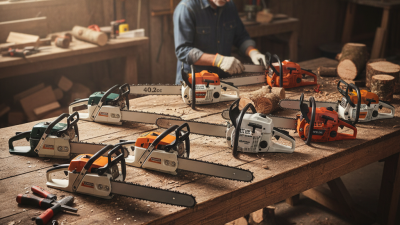
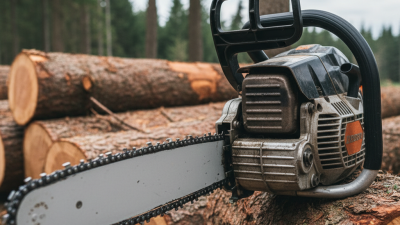
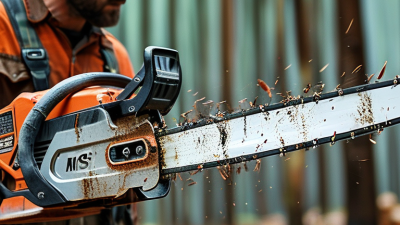
| Gasoline-powered garden equipment | Examples include brush cutters and chainsaws; engine displacement, safety features, and included accessories vary by model. | Engine operation, safety-guard fit, vibration and noise checks, leakage inspection, and production testing. | Requirements differ by destination and product. Check applicable emissions rules, such as U.S. EPA requirements for covered nonroad engines, and applicable EU machinery, noise, and emissions requirements. | $45–$250 per unit, depending on engine, configuration, and accessories. | Fuel and residue restrictions affect transport preparation. Confirm whether units ship dry, required declarations, packaging, and port or carrier acceptance in advance. |
| Quality-system and supplier verification | Request a product specification, bill of materials, approved sample, inspection plan, and records for the actual production site. | Use agreed acceptance criteria and pre-shipment inspection; verify critical dimensions, function, labeling, carton count, and defects against the purchase specification. | Verify certificate number, scope, site, issuing body, and validity directly with the issuer or certification database. A management-system certificate does not certify every product. | Inspection and testing costs are typically quoted separately and depend on scope, sample size, and location. | Specify Incoterms® 2020, named place or port, payment terms, lead time, export packaging, and responsibility for insurance and customs clearance in the contract. |
| Export logistics and shipment planning | Common export documents may include a commercial invoice, packing list, transport document, and certificate of origin when required or requested. | Check shipping marks, gross and net weights, carton measurements, container loading, document consistency, and destination labeling. | Documentation and import requirements depend on product, destination, and trade terms. The importer should confirm duties, taxes, permits, and product rules with local authorities or a customs broker. | Freight is quote-based; rates depend on route, season, cargo volume or weight, service, and applicable surcharges. | Shanghai, Ningbo-Zhoushan, Qingdao, and Shenzhen-area ports are major Chinese export gateways. The suitable port depends on factory location, carrier service, cargo type, and destination. |
Buyer note: Treat all price ranges as planning estimates, not current supplier quotations. Obtain written quotes for the exact specification, quantity, packaging, Incoterm, destination, and shipment date, and verify regulatory compliance for each SKU before placing an order.