Essential Garden Tools You Need for Your Gardening Success?
In successful gardening, the right tools are crucial. A recent survey reveals that 70% of gardeners cite tool quality as key to their achievements. Proper Garden Tools enhance efficiency, making tasks easier and more enjoyable. Essential tools range from basic hand trowels to advanced power tools.
Many gardeners overlook the importance of maintenance. Neglecting tools can lead to inefficiency and poor results. In fact, 50% of gardeners fail to replace worn-out gear, hindering their progress. Understanding which tools are necessary can save time and energy.
Investing in high-quality Garden Tools is an essential first step. These tools not only improve performance but also foster a deeper connection with the garden. With the right gear, challenges turn into opportunities for growth. Remember, the garden rewards those prepared for the task.
Essential Tools for Beginners: A Comprehensive Overview for New Gardeners
Starting your gardening journey can be both exciting and daunting. For beginners, having the right tools is crucial for success. Research indicates that new gardeners often struggle with proper techniques due to a lack of essential tools. According to a study by the National Gardening Association, 75% of novice gardeners report needing better equipment to enhance their skills.
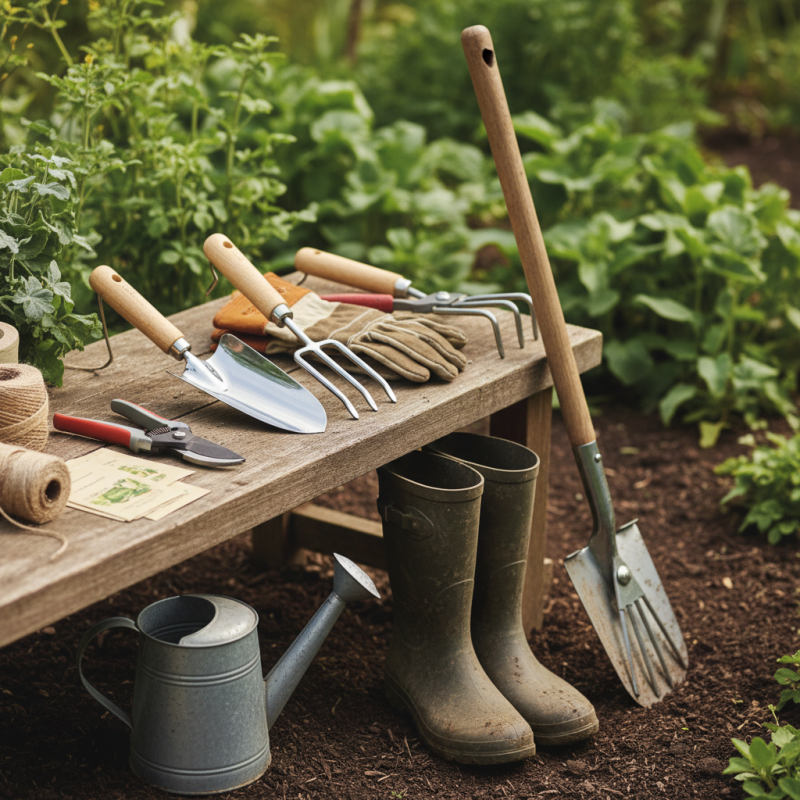
The must-have tools include a sturdy hand trowel, good quality pruners, and a watering can. Each tool plays a specific role. For instance, a hand trowel allows for efficient soil cultivation, while pruners help maintain plant health. Many beginners overlook the necessity of a weeding tool, yet weeds can overrun a garden quickly. A reliable weeder can save hours of back-breaking work. It’s easy to get overwhelmed and forget such basics, leading to frustration.
Additionally, the type of tools can impact overall gardening experience. Opting for ergonomic designs can reduce fatigue. A report by the American Society of Horticultural Science suggests that more than 40% of gardeners face physical issues because of poorly designed tools. Simple adjustments in tool choice can lead to a more enjoyable gardening experience. Gardening is about growth, not just for plants but also for the gardener. Reflecting on what tools you need can lead to more successful gardening adventures.
Essential Garden Tools You Need for Your Gardening Success
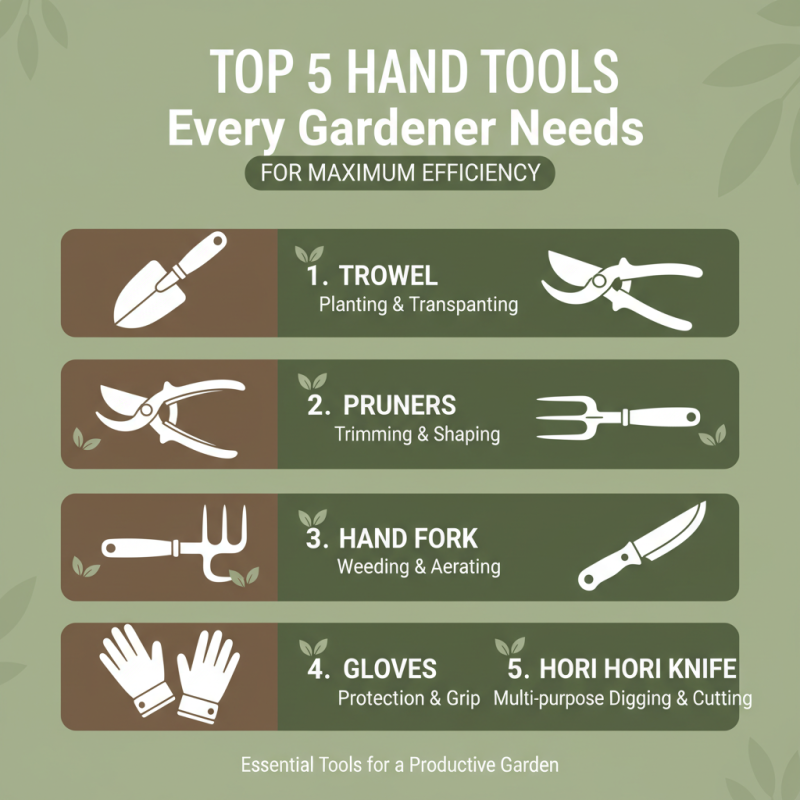
Top 5 Hand Tools Every Gardener Should Own for Maximum Efficiency
Gardening can be a serene yet challenging endeavor. To make the most of your gardening experience, having the right hand tools is essential. Here are five indispensable hand tools every gardener should own.
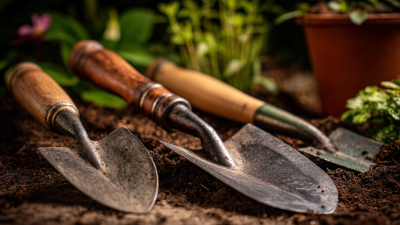
A sturdy garden trowel is the first on the list. This versatile tool helps with digging, planting, and transplanting. A well-designed trowel can reduce hand fatigue. Choosing one that fits comfortably in your hand is crucial. If it doesn’t feel right, you may struggle with larger tasks.
Next, a pair of pruning shears is vital. They assist in shaping plants and removing dead branches. Good shears can make a significant difference in plant health. Ensure they are sharp and easy to handle. Blunt tools can lead to uneven cuts and damage.
Additionally, a fork cultivator is invaluable for loosening soil. It helps aerate your garden bed, promoting healthy root growth. When selecting one, consider the length of the handle. A long handle may add strain if you are not used to it. Lastly, a weeder saves time by efficiently removing stubborn weeds. Yet, you need to practice proper technique to avoid damaging nearby plants. Each tool plays a unique role in enhancing your gardening success. Think about your needs and prioritize wisely.
Power Tools: Enhancing Your Gardening Experience with the Right Equipment
Gardening can be a fulfilling hobby, especially with the right power tools. Research shows that power tools can save you significant time and effort. For example, a study by the National Gardening Association found that using electric tools can reduce gardening time by up to 30%. This efficiency allows gardeners to focus more on creativity and less on labor.
One essential power tool is the cordless electric hedge trimmer. It helps maintain neat hedges and shrubs with ease. Many gardeners underestimate its value. It combines power with mobility, allowing you to trim hard-to-reach areas. Data suggest that homeowners who invest in this tool report a 40% increase in garden maintenance satisfaction. Such tools enable precise cuts without the strain.
However, it’s vital to approach power tool usage with caution. Misusing tools can lead to injuries. A report by the Consumer Product Safety Commission highlighted that nearly 50,000 gardening-related injuries occur annually. Ensuring proper training and adherence to safety guidelines is crucial. While power tools enhance the experience, they require respect and diligence to use effectively.
Essential Garden Tools You Need for Your Gardening Success
| Tool Name |
Purpose |
Material |
Recommended Usage |
| Hand Trowel |
Digging small holes, transplanting seedlings |
Stainless Steel |
For small planting tasks and soil work |
| Pruning Shears |
Trimming and shaping plants |
Carbon Steel |
For cutting stems up to ¾ inch thick |
| Garden Fork |
Turning soil and compost |
Steel |
For aerating soil and breaking up clumps |
| Garden Hoe |
Weeding and cultivating soil |
Aluminum |
For preparing garden beds |
| Lawn Mower |
Mowing grass |
Plastic and Steel |
For maintaining lawns |
| Rake |
Gathering leaves and leveling soil |
Steel |
For cleaning debris from garden beds |
| Watering Can |
Watering plants |
Plastic or Metal |
For targeted watering |
Maintenance Tools: Keeping Your Garden Healthy and Productive Year-Round
Maintaining a healthy garden requires the right tools, and investing in maintenance tools is essential. Regular upkeep ensures that plants thrive throughout the seasons. Industry reports indicate that neglected gardens can lose up to 50% of their yield. Thus, proactive care is vital for productivity.
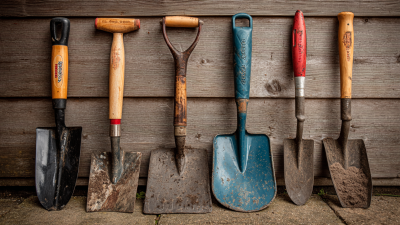
Essential tools include hand pruners, ergonomic shovels, and trowels. They help in shaping plants and improving soil quality. For instance, using hand pruners can reduce plant stress and promote growth. Moreover, a good quality shovel is key for mixing soil amendments. The right tools make the job easier and more efficient.
Tip: Always clean your tools after use. This practice prevents the spread of disease among your plants. Additionally, have a maintenance schedule for your garden. Research suggests that gardens with regular care are 30% more productive. Consistency often leads to a more resilient garden. Embrace the small imperfections, for each challenge presents a chance to learn and grow as a gardener.