Top 10 Essential Sprayer Parts for Global Buyers to Consider
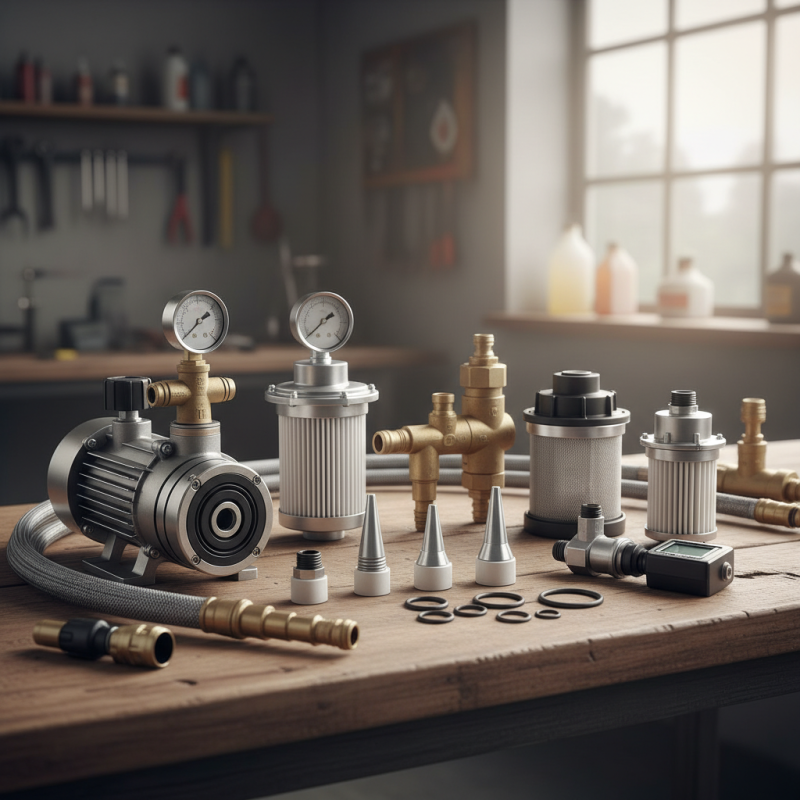
In the world of agriculture and pest control, reliable equipment is crucial. Sprayer parts play a significant role in ensuring optimal performance. Many buyers are often overwhelmed by the variety of sprayer parts available. Understanding which components are essential can save time and money.
To make informed decisions, buyers must consider factors like compatibility and durability. Each part contributes to the efficiency of the sprayer. From pumps to nozzles, each component has a distinct function. High-quality sprayer parts enhance productivity in the field. They also minimize maintenance issues.
While it's easy to overlook the importance of each part, neglecting them can lead to bigger problems. Buyers should invest time in understanding sprayer components. This investment helps avoid costly repairs later. Selecting the right sprayer parts ultimately impacts the success of agricultural operations.
Importance of Quality Sprayer Parts in Agricultural Efficiency
In agriculture, sprayer parts play a crucial role in enhancing efficiency. Quality components ensure that crops receive the right amount of pesticides or fertilizers. This precision helps in maximizing yields and minimizing waste. Without reliable parts, sprayers may malfunction, leading to poor application. It ultimately affects crop health and farmer income.
Farmers and agricultural professionals need to select sprayer parts carefully. They should consider durability and compatibility with existing equipment. Low-quality parts can compromise performance and lead to frequent repairs. As a result, farmers may face unplanned expenses and downtime.
Technical knowledge is essential when choosing these components. Understanding the requirements of specific crops can guide decisions. Seeking expert advice can enhance the quality of choices. However, not all farmers may have access to this guidance. This gap can lead to inadequate equipment selection and reduced crop productivity.
Key Specifications for High-Performance Sprayer Nozzles in Modern Farming
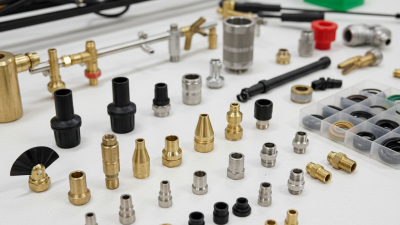
In modern farming, the choice of sprayer nozzles plays a crucial role. High-performance nozzles ensure even distribution of pesticides and fertilizers, enhancing crop yield. Buyers should focus on several key specifications, such as nozzle type, spray pattern, and flow rate. Adjustable nozzles can adapt to different crops and application rates. This flexibility is vital for efficient resource use.
Tips: When selecting sprayer nozzles, consider the type of crops you cultivate. Some nozzles work better for certain plants. Researching compatibility can save time and resources. Water-sensitive paper tests can help visualize droplet patterns, assisting you in making the right choice.
Material durability also matters. Nozzles made from resistant materials like ceramics or stainless steel tend to last longer. However, they may be more expensive. Weigh costs against lifespan to see if the investment is worth it. It's essential to evaluate your specific needs before making a final decision.
Impact of Durable Sprayer Pumps on Cost-Effectiveness and Longevity
When considering sprayer pumps, durability significantly affects cost-effectiveness. A robust pump can withstand various conditions. This means fewer replacements and lower long-term costs. In agricultural settings, for instance, a durable pump minimizes downtime. Buyers should focus on materials and construction quality. A well-built pump resists wear from chemicals and environmental factors.
Longevity is another critical aspect. Pumps that last longer tend to have better performance. Regular maintenance becomes easier with durable designs. However, challenging production choices can impact product lifespan. It's essential to reflect on whether the initial investment aligns with operational needs. Decision-making should consider not just upfront costs, but also ongoing maintenance and repair needs.
In the quest for quality, there are trade-offs. Some less expensive options may appear appealing. Still, their longevity issues often lead to higher long-term expenses. Buyers should seek expert opinions when evaluating sprayer pumps. Expert advice can help navigate the vast options available, ensuring that the right choice is made.
Technological Advancements in Sprayer Hoses: A Global Perspective
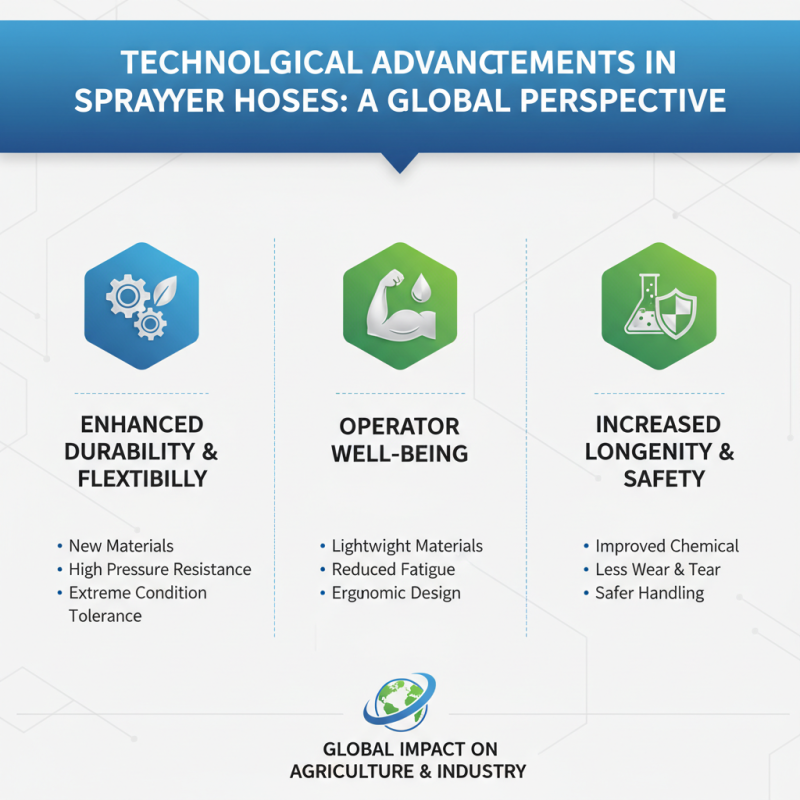
In recent years, technological advancements in sprayer hoses have transformed the agricultural and industrial sectors. Manufacturers are exploring new materials that enhance durability and flexibility. This ensures that hoses can withstand high pressures and extreme conditions. Innovations like lightweight materials reduce operator fatigue. Moreover, improved chemical resistance enhances the longevity of sprayer hoses.
Global buyers are increasingly focused on efficiency. They seek hoses that ensure precise spray patterns. This helps to minimize waste and target application areas effectively. Smart technology integration allows for real-time monitoring of spray performance. However, some features may complicate maintenance, leading to potential user errors.
Adoption rates vary across regions. Some markets embrace new technologies eagerly, while others lag behind. It raises questions about accessibility and training. The importance of proper installation is often overlooked. Even the best hoses require skilled handling to perform optimally. Investing in training could bridge this gap and enhance user experience.
Understanding the Role of Filters in Sprayer Maintenance and Performance
When it comes to sprayer maintenance, filters play a crucial role. Filters prevent contaminants from entering the system, ensuring optimal performance. Regularly checking and replacing filters can significantly extend the life of a sprayer. Clogged filters can lead to reduced efficiency and even damage the pump.
Maintaining filter integrity is essential. Dirty filters can cause uneven application of substances. This inconsistency may affect crop health or treatment effectiveness. Monitoring filter conditions can save time and money in repairs.
Tips: Always inspect filters before each use. Clean filters regularly to improve performance. Consider keeping spare filters on hand for quick replacements. Monitoring filter performance can ultimately lead to better results in your spraying operations. Stay proactive to avoid potential issues down the line.
Top 10 Essential Sprayer Parts for Global Buyers