How to Choose the Best Chain Saw for Your Needs?
Choosing the right chain saw can be challenging. Many options exist, each designed for specific tasks. Understanding your needs is vital in making an informed decision. The right chain saw can improve efficiency and safety during your projects.
Consider what tasks you want to accomplish with your chain saw. Are you felling large trees, trimming branches, or cutting firewood? Each use requires different features. Pay attention to power, bar length, and weight. These details can significantly impact your experience.
Reflecting on your previous tools might help. Were they easy to handle? Did they meet your expectations? Take time to compare models and read reviews. A well-chosen chain saw is an investment in your skills and safety. Ensure you choose wisely.
Understanding the Different Types of Chainsaws Available in the Market
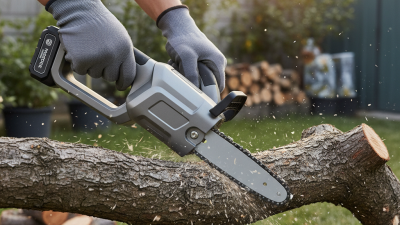
When choosing a chainsaw, it's crucial to understand the different types available. Electric chainsaws are popular for home use. They are lightweight and easy to handle. Ideal for small jobs like trimming branches, they tend to be quieter than gas models. However, their power is limited, making them unsuitable for heavy-duty tasks.
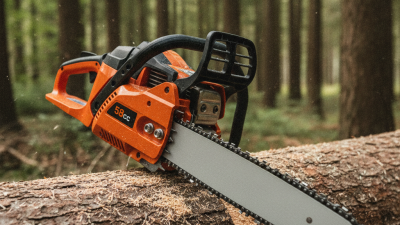
Gas chainsaws offer more power and mobility. They can handle larger projects, such as cutting down trees. These saws often come with various engine sizes. A more powerful engine means better performance but also adds weight. Users may find it challenging to balance power and ease of use. Additionally, gas chainsaws require regular maintenance, such as oil changes and air filter checks.
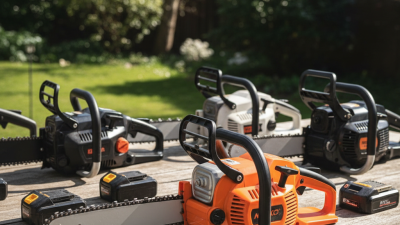
Battery-powered chainsaws are another option. They combine some perks of both electric and gas models. They are cordless, allowing for ease of movement. However, battery life can be a concern during extended use. Users often need to plan breaks to recharge. Understanding these differences can help you select the right chainsaw for your specific situation. Balancing power, weight, and your cutting needs is essential for a successful purchase.
How to Choose the Best Chain Saw for Your Needs?
| Type of Chainsaw |
Power Source |
Ideal Use |
Bar Length |
Weight |
| Electric Chainsaw |
Electric |
Light cutting tasks, trimming |
10-16 inches |
6-12 lbs |
| Battery-Powered Chainsaw |
Battery |
Lightweight tasks, portability |
12-16 inches |
6-10 lbs |
| Gas-Powered Chainsaw |
Gasoline |
Heavy-duty tasks, felling trees |
14-20 inches |
10-15 lbs |
| Pole Chainsaw |
Electric or Gas |
Trimming high branches |
8-10 inches (with extendable pole) |
8-12 lbs |
Identifying Your Specific Cutting Needs and Requirements
Choosing the right chain saw starts with understanding your cutting needs. Are you trimming branches, felling trees, or doing heavy-duty landscaping? Each task requires different features. Consider the size and type of wood you plan to cut. Larger trees need more power and a longer bar length, while smaller tasks may need a lightweight option for easy handling.
Safety features are also crucial. Look for models with automatic chain brakes and low kickback chains. These features enhance control and reduce the risk of accidents. It's also worth noting that not every chain saw is suitable for every user. If you're inexperienced, it might be wise to start with a less powerful version. Overestimating your skills can lead to frustration and potential hazards.
Think about your comfort level too. A chain saw should feel balanced and not too heavy for you. If possible, try holding different models before making a decision. This can help you gauge how it feels in actual use. Reflecting on your specific needs, rather than just opting for the most powerful or popular choice, can lead to better outcomes. Take your time and evaluate what you truly require.
Evaluating Key Features: Power, Weight, and Chain Length
Choosing the right chain saw for your needs requires a careful evaluation of key features such as power, weight, and chain length. Power is typically measured in cubic centimeters (cc) for gas saws and volts for electric ones. A saw with a higher cc or volt rating can handle tougher jobs. For instance, a gas saw can offer power ratings between 30cc to 90cc, making it suitable for various cutting tasks, from small branches to large trees.
Weight is another crucial factor, particularly if you'll be using the saw for extended periods. A heavier saw can lead to fatigue. Many users find that saws weighing between 8 and 12 pounds are manageable for most jobs. It's essential to find a balance between power and weight to avoid discomfort during use. Many professionals recommend testing different weights before making a decision.
Chain length affects cutting capacity. Short chains are often more maneuverable, while longer chains can make deep cuts in one pass. A common length for home use ranges from 12 to 16 inches. However, for larger work, a chain length of 18 inches or more is preferable.
Consider these factors carefully. An ill-fitting chain saw can lead to frustration and safety hazards. Picking a powerful saw with the wrong weight can cause muscle strain. Always reflect on what you would primarily use the saw for, and rethink your choices based on that.
Considering the Safety Features and Ergonomics of Chainsaws
When selecting a chainsaw, safety features should be your primary consideration. Look for models with automatic chain brakes. This feature can stop the chain in milliseconds during a kickback. Safety guards are also essential. They prevent accidental contact with the chain. Wearing protective gear is crucial, but the saw itself must also be designed for safety.
Ergonomics play a key role in your comfort while operating a chainsaw. A well-balanced saw reduces fatigue. It should feel comfortable in your hands. Consider the weight of the chainsaw. A heavier model can be tiring during extended use. Look for rubberized grips that absorb vibrations. This will enhance your control and reduce strain on your arms and hands.
Remember that not all chainsaws fit every user perfectly. Beginner users might struggle with powerful models. A lightweight option with basic features may prove more beneficial. Assess your own needs and skill level. There’s no one-size-fits-all approach. Each user's experience will guide their best choice.
Budgeting: Finding a Chainsaw That Fits Your Financial Plan
When budgeting for a chainsaw, it's essential to determine your needs first. Think about the tasks you’ll perform. If you only need it for small yard work, a less expensive option may suffice. However, larger jobs could necessitate a more powerful, costly model. Always consider the power source. Gas chainsaws generally cost more than electric ones, but they offer more mobility.
It's intriguing how some buyers overlook the importance of maintenance costs. Fuel and oil can add up, especially for gas models. You'll also want to factor in safety gear and replacement parts. Sometimes, a cheaper chainsaw leads to more expenses down the line due to wear and tear. It’s not just about the initial purchase price. Reflecting on total ownership costs can help prevent future regrets. Make a list of potential chainsaws and their overall expenses. This approach provides a clearer financial picture.