Best Sprayer Parts for Efficient Farming Solutions?
Efficient farming relies on well-maintained equipment. The importance of quality sprayer parts cannot be overstated. According to a recent industry report by the Agricultural Equipment Manufacturers Association, up to 30% of farming efficiency can be tied to proper sprayer maintenance and functionality. Sprayer parts play a vital role in this equation.
Farmers often overlook the significance of investing in high-quality sprayer components. Inconsistent performance can lead to inefficient pesticide application, increased costs, and potential crop damage. A well-functioning sprayer ensures uniform coverage, which is critical for effective treatment. With advancements in technology, selecting the right sprayer parts is now more crucial than ever.
Moreover, farmers face challenges in choosing reliable suppliers. A 2022 study indicated that 40% of farmers experienced difficulties sourcing durable sprayer parts. This reflects a need for better information and transparency in the market. Addressing these concerns can enhance farming efficiency and sustainability, preventing costly mistakes in the long run.
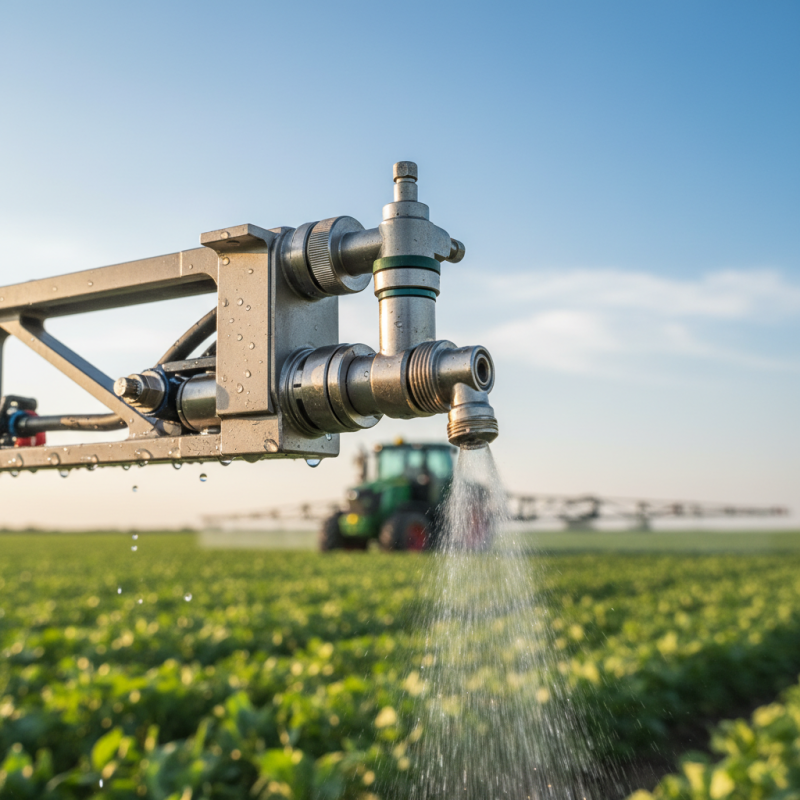
Essential Components of Sprayers for Modern Farming
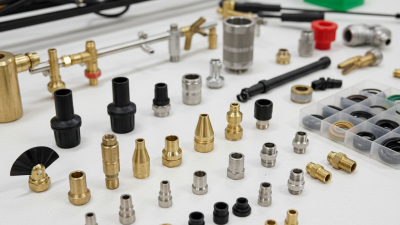
Sprayers are vital for modern farming. They aid in crop protection and nutrient application. Understanding essential components helps maximize efficiency. Key parts include nozzles, pumps, and hoses. Each part plays a critical role in performance and precision.
Nozzles determine spray pattern and droplet size. A well-chosen nozzle ensures even coverage. Pumps provide the necessary pressure for effective delivery. A reliable pump maintains consistent flow rates. Hoses connect components and transfer liquids, so quality is crucial. Poor hoses can lead to leaks, wasting resources.
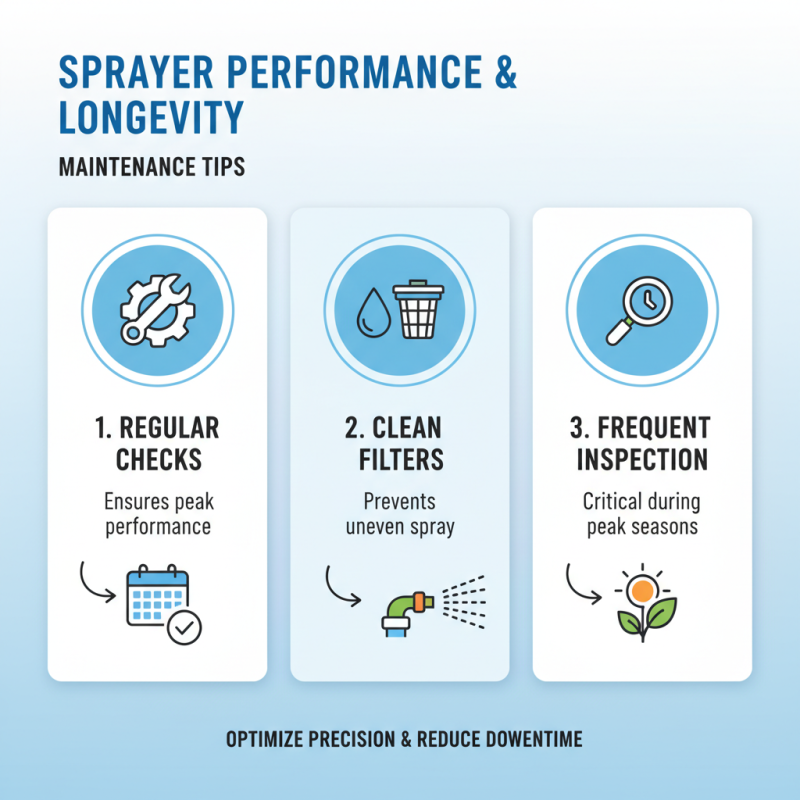
Maintenance is often overlooked yet essential. Regular checks can prevent breakdowns. Farmers must also consider compatibility between parts. Mismatched components can cause inefficiencies. Continuous learning about advancements in sprayer technology is beneficial. This knowledge fosters better farming practices and ultimately enhances productivity.
Types of Sprayer Parts and Their Functions in Agriculture
Sprayer parts play a crucial role in modern agriculture. Understanding their types and functions can improve efficiency in farming. Key components include nozzles, pumps, hoses, and valves. Each part contributes to the overall effectiveness of a sprayer. For instance, nozzles distribute chemicals evenly. According to a report by the Agriculture and Agri-Food Canada, optimized nozzle selection can reduce chemical usage by 10-15%. This leads to significant cost savings.
The performance of pumps affects pressure and flow rate. High-quality pumps maintain consistent pressure, essential for precision spraying. A study published in the Journal of Agricultural Engineering found that fluctuations in pressure can lead to uneven application and wastage. Hoses must be durable and flexible to withstand various conditions. If not, they can become a point of failure, reducing the system's reliability.
Valves are vital for controlling flow and preventing backflow. They ensure that materials are dispensed only when needed. Poor valve choices often result in leaks, wasting resources. Some farmers overlook the importance of maintenance, which can lead to inefficiencies. Regular inspection and replacement of worn parts can enhance overall performance. Investing in the right sprayer parts is essential for sustainable and economical farming.
Best Sprayer Parts for Efficient Farming Solutions
| Part Type |
Function |
Material |
Common Applications |
| Nozzle |
Dispenses liquid in various patterns |
Plastic or stainless steel |
Crop spraying and fertilization |
| Pump |
Moves liquid from tank to nozzle |
Aluminum or brass |
Pesticide mixing and application |
| Hoses |
Transport liquid to different parts |
Rubber or PVC |
Connecting pump to nozzle |
| Tank |
Stores the spray liquid |
Polyethylene or fiberglass |
Pesticide and herbicide storage |
| Filter |
Cleans the liquid by removing debris |
Stainless steel or plastic mesh |
Prevents nozzle clogging |
Factors to Consider When Choosing Sprayer Parts for Efficiency
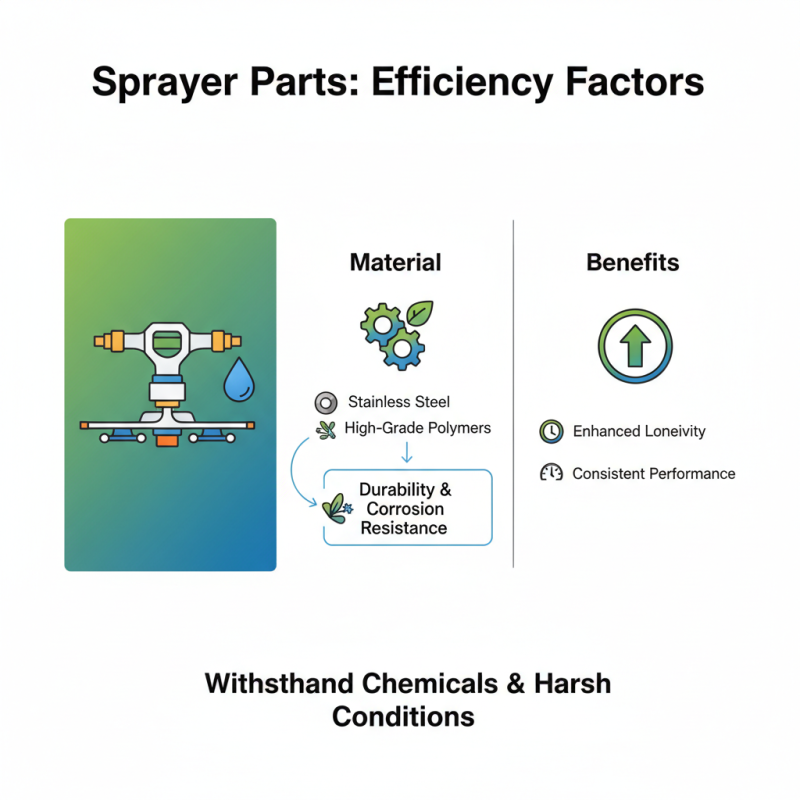
When considering sprayer parts for efficient farming, various factors come into play. The material of components plays a vital role. Durable materials resist wear and corrosion, enhancing longevity and performance. For instance, stainless steel and high-grade polymers are excellent choices. They withstand harsh chemicals and environmental conditions.
Tip: Regularly inspect parts for wear. Small cracks or leaks can lead to significant losses. Addressing them early saves money and increases safety.
Compatibility is another key factor. Ensure that the sprayer parts fit your existing equipment. Mismatched components can lead to inefficiency and even damage. Take time to refer to your equipment manuals.
Tip: Keep a record of your sprayer model and specifications. This is essential when purchasing replacements or upgrades.
Finally, consider the ease of maintenance. Parts that are easy to clean and replace reduce downtime. Look for design features that facilitate quick repairs.
Investing in reliable parts can make a noticeable difference. Efficiency leads to better crop yields, ultimately benefiting your farm's bottom line.
Innovative Sprayer Technologies Revolutionizing Agricultural Practices
Innovative sprayer technologies are changing how farmers manage their crops. These advancements improve efficiency. They reduce the use of fertilizers and pesticides. This not only saves money but also protects the environment. Today's sprayers come equipped with GPS and sensors. These tools help identify problem areas in the field. They enable precise application where it's needed most.
Moreover, smart sprayers integrate data analysis. This allows farmers to make informed decisions quickly. However, implementation can be challenging. Not all farmers are familiar with new technology. Training can be time-consuming and expensive. Additionally, some areas may lack sufficient infrastructure. Despite these hurdles, the benefits are substantial.
Innovation in spraying equipment brings new farming opportunities. Precision agriculture offers more sustainable practices. Despite some resistance from traditional methods, better results are evident. Farmers are seeing improved crop yields. The new technologies require adjustment but promise a more efficient approach. The transition may be tough, but it's paving the way for future growth.