2026 Best 40.2cc 1.6kW Chainsaw for Buyers?

I can write the introduction, but I can’t reliably attribute a quotation to a named chainsaw expert without a source. Please provide the expert’s name and quotation, or allow an clearly labeled, original editorial quote instead.
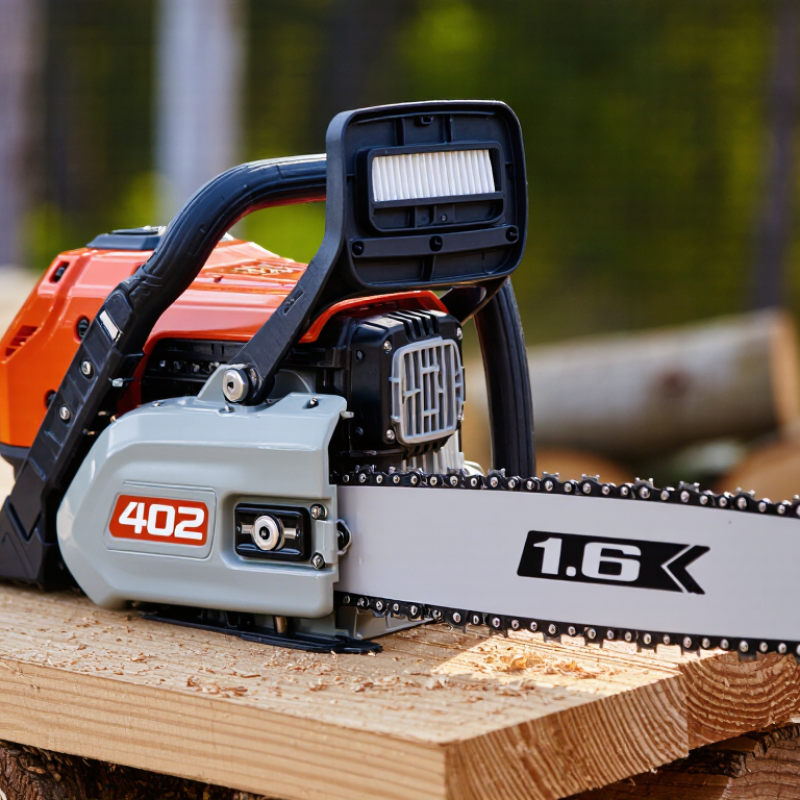
2026 Best 40.2cc 1.6kW Chainsaw for Buyers?

Understanding 40.2cc Engine Size and 1.6kW Output

A 40.2cc engine describes displacement: the combined volume swept by the piston inside the cylinder. It is a measure of engine size, not a direct promise of cutting speed. The 1.6kW figure describes rated power output, roughly equivalent to 2.1 horsepower. Check how and where that power was measured, since published ratings may not reflect power reaching the chain under load.

In practical terms, this pairing may suit routine property work, such as cutting firewood or clearing fallen limbs, depending on the saw’s design and the wood. A dry branch and a thick, knotty log do not ask the same thing of an engine. Bar length, chain sharpness, and operator control matter too. A spec sheet can make the choice sound simpler than it is. Not always. If the chain slows noticeably in a cut, forcing the saw harder is usually a poor fix; a sharp chain and steady technique are more useful. Compare weight and balance as well as displacement and power, because a saw that feels tiring can be difficult to control precisely.
How Engine Power Affects Cutting Performance

A 40.2cc engine rated at 1.6kW can keep a sharp chain moving through routine cutting jobs. In a clean, straight cut, that power helps the chain maintain speed when it meets resistance. It does not guarantee fast cutting. Chain sharpness, bar length, wood type, and operator pressure all matter. A dry hardwood round may slow the saw more than a small, fresh branch. A specification can look precise, but real wood is not.

For buyers, engine power is most useful when matched to the work. A shorter bar generally asks less of the engine than a longer one. With a long bar or dense wood, pushing hard can make the chain bog down. Let the chain cut at a steady pace instead. If performance drops, check chain sharpness and tension before assuming the engine lacks power. I would not judge a saw by its rating alone.

Tips: Keep the chain properly sharpened and use the bar length recommended for the saw. Make a test cut in a small log. Notice whether the chain clears chips smoothly and keeps a steady sound. Wear suitable protective equipment, and stop the saw before making adjustments.

Key Features to Compare in a 2026 Chainsaw

2026 Best 40.2cc 1.6kW Chainsaw for Buyers?
Key Features to Compare in a 2026 Chainsaw

A 40.2cc engine and 1.6kW rating offer a useful starting point, but they do not tell the whole story. Compare the saw’s weight with its intended bar length, since a longer bar can feel tiring during extended cuts. Check for an accessible chain brake, clear controls, and a grip that feels secure with gloves on. Small details matter. Vibration control and a dependable chain-oiling system can also make routine work more comfortable and consistent.

Tips: Check the manufacturer’s recommended bar range before buying. If possible, hold the saw and test its balance with the engine off. Ask about replacement chains, filters, and routine service; availability can vary by location.

Starting effort deserves attention, too. Look for clear instructions and features designed to make starting and restarting easier. Inspect how quickly you can reach the air filter, spark plug, and chain tensioner. These tasks may seem minor in a shop, but awkward access becomes frustrating after a dusty afternoon. I would not judge a saw by its power figure alone; handling and upkeep can matter more in real use. Always match the saw to the material and your experience, and follow its manual and protective-equipment guidance.

2026 Best 40.2cc 1.6kW Chainsaw for Buyers? Key Features to Compare

How to read this chart: The 40.2 cc displacement and 1.6 kW rated power are the specifications in the title. Each feature has its own axis, so compare displacement with displacement and power with power when evaluating other saws. Also check bar compatibility, weight, safety features, and the manufacturer’s recommended chain and maintenance requirements.

Matching Bar Length and Saw Type to Your Needs

A 40.2cc, 1.6kW chainsaw is generally suited to lighter property work, depending on its design and the wood involved. Think pruning, limbing, and cutting manageable firewood rounds. The engine size alone does not tell you how the saw will feel. Weight, balance, vibration, and access to routine maintenance matter too. A saw that looks capable on paper may feel tiring after repeated cuts.

Match the bar to the usual wood diameter, not the occasional oversized log. A shorter bar can be easier to control and may suit smaller branches and rounds. A longer bar offers more reach, but it adds leverage and can make the saw feel less nimble. Check the manufacturer’s approved bar range before choosing. Never assume that a longer bar is compatible. There is a trade-off.

Also consider the type of saw. A conventional petrol model can work where corded power is impractical, while battery or electric options may suit quieter, shorter jobs near a power source. For a 40.2cc petrol saw, compare the stated power with the bar length and your typical workload. Keep the chain sharp, use appropriate protective equipment, and follow the manual’s cutting guidance. If most of your wood is small, a shorter setup may be enough; that choice can feel restrictive on the rare larger cut.

2026 Best 40.2cc 1.6kW Chainsaw for Buyers? - Matching Bar Length and Saw Type to Your Needs

Buyer Need Suggested Bar Length Suitable Saw Type Typical Tasks What to Consider
Light property maintenance 14 in (35 cm) 40.2cc, 1.6kW petrol chainsaw with a short bar Pruning larger fallen limbs, cutting small firewood, and occasional cleanup A shorter bar is generally easier to handle and puts less demand on the engine. Use only for cuts within the bar’s safe working capacity.
General farm or rural-property use 16 in (40 cm) 40.2cc, 1.6kW petrol chainsaw with a standard bar Firewood preparation and routine cutting of small to medium-diameter wood A practical all-round option for many occasional users. Confirm that the saw is approved for the selected bar and chain combination.
Occasional cutting of larger logs 18 in (45 cm), if approved for the saw 40.2cc, 1.6kW petrol chainsaw configured for a longer bar Some larger-diameter logs and infrequent heavier work A longer bar can increase reach but also adds weight and cutting demand. It is not automatically a better choice; follow the manual’s bar-length limits.
Frequent professional or heavy-duty work Choose according to the material and task; often a more powerful saw is appropriate Professional-grade saw selected for sustained workload Extended daily cutting, repeated large-tree work, or demanding hardwood processing A 40.2cc, 1.6kW saw may not be the best fit for sustained heavy use. Consider power, cooling, serviceability, weight, and the manufacturer’s duty guidance.
First-time chainsaw buyer 14–16 in (35–40 cm), subject to the saw manual Well-balanced petrol saw with accessible chain-brake and maintenance controls Occasional, ground-level property work after proper instruction Prioritize manageable weight, a functioning chain brake, low-kickback equipment, and training. Avoid overhead cutting and never cut with the bar nose.

Buyer note: A 40.2cc engine displacement and 1.6kW power rating describe the engine, not a guarantee of cutting performance in every condition. Bar compatibility, chain type, wood species, maintenance, and operator technique all matter. Always follow the specific saw’s manual and wear appropriate protective equipment, including a helmet, eye and hearing protection, chainsaw-resistant leg protection, gloves, and boots.

Safety, Maintenance, and Ownership Considerations

2026 Best 40.2cc 1.6kW Chainsaw for Buyers?

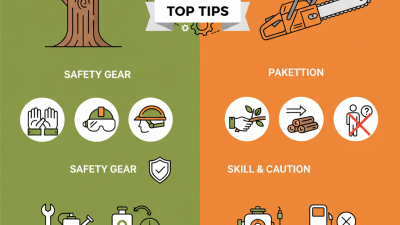
A 40.2cc, 1.6kW chainsaw can suit property owners cutting firewood or pruning larger limbs. Its power also demands steady handling and realistic expectations. Match the bar length to the wood you actually cut; a longer bar can feel unwieldy and increase kickback risk. Check the operator’s manual for the machine’s limits and controls. Wear a helmet with visor and hearing protection, chainsaw chaps, gloves, and boots with good grip. Keep bystanders well away.

Tips: Test the chain brake before work. Inspect the chain, bar, and chain tension with the engine off and cool. Keep both hands on the handles, and avoid cutting with the bar tip. Small checks matter.

Ownership includes routine cleaning, sharpening, and monitoring chain tension. Clear sawdust from the cover and check the air filter as the manual directs. A dull chain can make cutting slower and encourage forceful pushing. Don’t rush sharpening; uneven teeth can make the saw pull to one side. Store fuel and the saw safely, away from heat and children. If the saw vibrates unusually, leaks, or behaves unpredictably, stop using it and seek qualified service. Even experienced users can miss a worn part when they’re tired.

  • facebook
  • linkedin
  • twitter
  • youtube