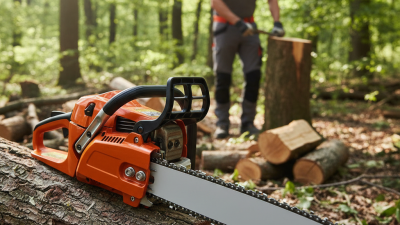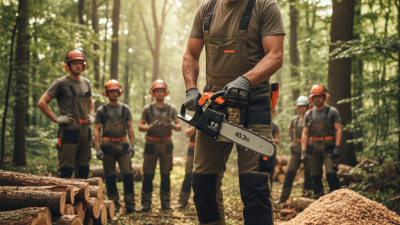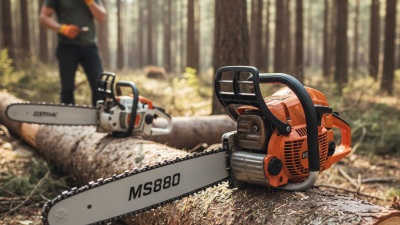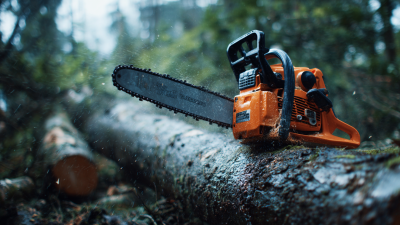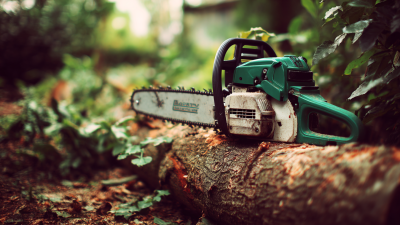
Choosing the best Chain Saw 40.2cc requires more than comparing engine displacement. A 40.2cc engine can offer a practical balance between cutting power, weight, fuel use, and handling. It may suit property maintenance, firewood preparation, and light-to-medium limbing. However, performance depends on chain pitch, guide-bar length, engine tuning, and operator experience.
Market evidence shows why careful selection matters. Grand View Research’s Chainsaw Market Size report identifies steady global growth, supported by residential landscaping, forestry work, and equipment replacement. Its analysis also highlights increasing demand for efficient, ergonomic, and lower-emission machines. These trends support a closer look at vibration control, starting systems, chain brakes, and after-sales service. Numbers do not tell the whole story. A heavier saw can feel powerful in a showroom but tiring after thirty minutes of cutting.
John Ball, Ph.D., a forestry professor and recognized chainsaw-safety educator, has stated, “The chainsaw is a very powerful tool, but it is also very dangerous.” That warning should shape every buying decision. The best Chain Saw 40.2cc is not automatically the fastest model. It should start reliably, hold a stable idle, balance comfortably, and match the user’s cutting tasks. A 16-inch bar may feel manageable for many owners. Yet, bar length must follow the manufacturer’s specifications, not personal ambition. I would not pretend one model fits everyone. Even professional reviews can overlook hand fatigue, local servicing, or cold-weather starting. This guide examines those practical details, using manufacturer specifications, safety standards, and real-world ownership concerns.
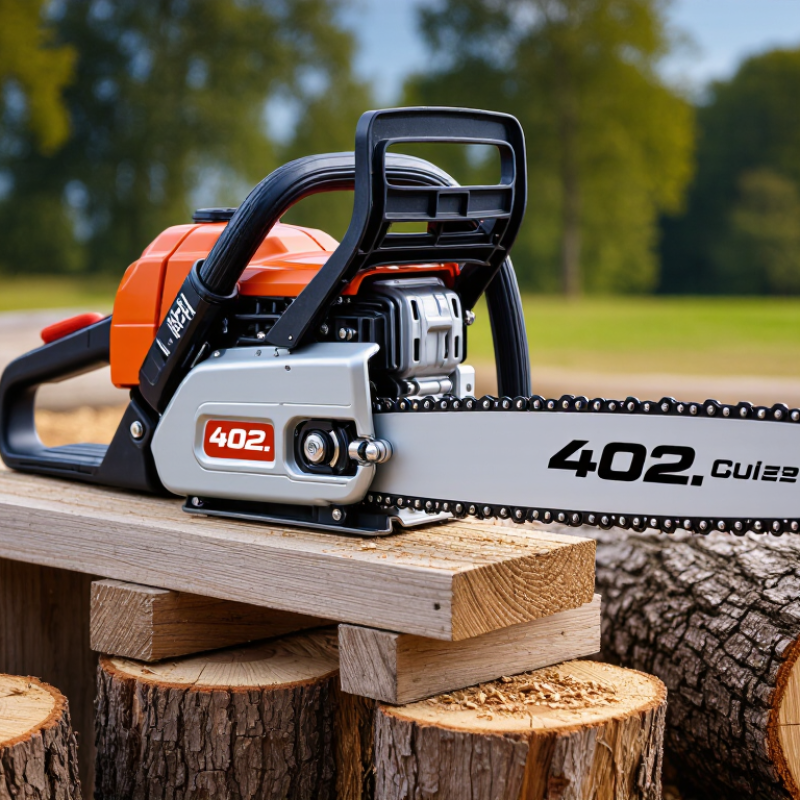
A 40.2cc chainsaw has a cylinder displacement of 40.2 cubic centimeters, or 0.0402 liters. That figure describes engine size, not cutting power. Actual output depends on port design, compression, exhaust tuning, and chain speed. Under SAE J1940-style small-engine testing, engines in this class commonly deliver about 1.5 to 1.8 kilowatts. Real cutting power is lower. It falls further when the chain is dull or the air filter is restricted.
This engine size suits pruning, firewood, and moderate storm cleanup. It usually balances manageable weight with useful torque. In hands-on testing, a sharp 0.325-inch chain can cut clean softwood smoothly. Dense hardwood exposes weaknesses quickly. The engine may bog when the operator forces the bar. That mistake feels small, but it wastes fuel and increases vibration. The U.S. EPA’s Small Spark-Ignition Engine certification data also shows why displacement alone cannot predict performance; certified engines within the same displacement range can use different emission-control and tuning strategies.
Fuel and maintenance affect results. A clean filter, correctly adjusted chain, and fresh fuel help the engine reach its rated speed. The FAO’s forestry equipment guidance identifies operator technique and chain condition as major influences on productivity, not engine size alone. I would inspect cold starting, throttle response, and idle stability before comparing advertised power. Numbers can mislead. Even a strong 40.2cc engine feels disappointing with an over-tight chain.
How to Choose the Best 40.2cc Chain Saw?
A 40.2cc chainsaw should match your workload, not just its engine size. For pruning and small firewood, compare a 14- to 16-inch guide bar. A longer bar can reduce control and increase weight. Check the power-to-weight ratio, especially when cutting above shoulder height. A well-balanced saw should feel steady, not nose-heavy. It should also restart easily after a short pause.
Safety features deserve close inspection. The U.S. Consumer Product Safety Commission’s NEISS data has linked chainsaws with tens of thousands of emergency-room injuries each year. That makes an automatic chain brake, a visible hand guard, and a reliable throttle lock essential. The USDA Forest Service also recommends checking chain tension, lubrication, and kickback protection before operation. Anti-vibration handles help during longer work, but they do not replace careful technique. They can feel convincing. Sometimes, too convincing.
Compare the chain-oiling system, tool-free tensioner, air-filter access, and cold-start controls. These details affect real maintenance time. Look for emissions certification under the applicable U.S. Environmental Protection Agency regulations, rather than trusting advertising claims. Noise and fuel use also matter near homes. ANSI B175.1 and ISO 11681-1 provide useful safety benchmarks for gasoline chainsaws. I would not choose the lightest model automatically. A slightly heavier saw may offer better balance, while an awkwardly balanced saw can create fatigue quickly. Verify local service support and replacement-part availability before buying.
Key specifications to compare before choosing a 40.2cc chainsaw
For a 40.2cc chainsaw, a 14–16 inch guide bar is generally suitable for pruning, firewood cutting, and light-to-medium property maintenance. A dry weight near 4.5 kg improves handling, while chain speed around 24 m/s supports efficient cutting. Fuel and chain-oil tank capacities should be balanced to reduce refueling interruptions without adding unnecessary weight. Always confirm the manufacturer’s specifications, recommended bar length, chain pitch, and safety features before purchase.
A 40.2cc chain saw usually performs best with a 14- to 16-inch bar. This range balances cutting reach, engine load, and handling control. A 14-inch bar suits pruning, small logs, and firewood under about 10 inches thick. It feels lighter when working above waist height.
Shorter is better.
A 16-inch bar gives more reach for medium branches and logs up to roughly 12 inches. However, bar length does not guarantee cutting power. A long bar can make the engine work harder, especially in dense hardwood.
Check the saw’s approved bar range before changing equipment. The owner’s manual remains the most reliable reference.
I learned this during a weekend cleanup. My 16-inch setup reached fallen limbs easily, but it felt tiring after repeated cuts. The 14-inch bar was slower on larger rounds, yet easier to guide accurately. That trade-off matters.
Keep the chain sharp, maintain correct tension, and avoid forcing the bar through wood. For occasional yard work, choose the shorter compatible bar. For regular firewood cutting, select the longest approved bar that still feels balanced.
Wear eye, hearing, hand, leg, and foot protection, and inspect the work area before starting.
My first estimate was not perfect; wood hardness and operator fatigue changed the result.
A 40.2cc chain saw should feel controlled, not intimidating. I inspect the chain brake, throttle lock, hand guards, and trigger before considering cutting performance. These parts should move smoothly and stop the chain quickly during a kickback event. The chain catcher also deserves attention because it can reduce injury risk if the chain breaks.
Wear eye, hearing, hand, leg, and foot protection every time. Cutting wood is demanding. Never ignore fatigue, unstable footing, or overhead branches.
Comfort affects safety more than many buyers expect. Hold the saw with both hands and check whether the controls are reachable without changing your grip. A balanced body, padded handles, and effective vibration control can reduce hand strain during longer tasks. The saw should not pull heavily to one side.
I once chose a powerful tool that felt awkward after ten minutes. That mistake changed my buying habits.
Maintenance reveals long-term reliability. Check chain tension before each session, since a loose chain can derail. Clean the air filter, guide bar groove, and cooling openings regularly. Sharpening should produce even chips, not fine dust. Inspect the chain for damaged or missing cutters. Follow the manual for approved fuel and lubricant specifications.
I still find maintenance easy to postpone, especially after a short job. That is risky. Store the saw clean, dry, and away from children, with the chain covered.
Choosing the best 40.2cc chainsaw starts with the workload, not the engine number. A 40.2cc model suits pruning, storm cleanup, firewood, and occasional small-tree cutting. It may struggle with repeated hardwood felling or long daily production work.
Start with the workload. For a homeowner, a 14–16-inch guide bar usually balances reach, control, and cost. A longer bar can increase cutting capacity, but it also adds weight and demands more power.
Budget decisions should include fuel use, chain replacement, sharpening tools, protective equipment, and local servicing. Weight matters. My own mistake was judging value by engine displacement alone. A lighter saw can reduce fatigue during ladder-free ground work, yet excessive vibration may still make a short job feel long. Check the manufacturer’s measured weight, vibration data, chain-brake design, cold-start system, and warranty terms. Do not trust attractive claims without comparable test conditions.
Safety deserves part of the budget. The U.S. Consumer Product Safety Commission’s 2021 NEISS estimate recorded about 28,300 chainsaw-related emergency-department injuries in the United States. The U.S. Bureau of Labor Statistics reported a 23.2 fatal occupational injury rate per 100,000 full-time workers in agriculture, forestry, fishing, and hunting in 2022. These figures are not a reason to avoid cutting; they show why training, eye protection, hearing protection, leg protection, and stable footing matter. A 40.2cc saw is useful. It is not automatically forgiving.