Top 10 Hand Held Chain Saw Features You Should Know?
Hand Held Chain Saws are increasingly popular among homeowners and professional landscapers alike. Recent industry reports indicate that the hand-held chainsaw market is projected to grow by 5% annually. This growth is driven by their lightweight design and ease of use. In fact, many users prefer these tools for trimming, pruning, and cutting logs in tight spaces.
However, not all hand held chain saws are created equal. Key features significantly impact performance and user safety. For instance, automatic chain lubrication ensures a smooth operation, reducing wear and tear. Studies show that tools with ergonomic designs lead to less fatigue, meaning more efficient work sessions. Yet, some models may lack essential safety features, calling for careful selection.
While the convenience of using a hand held chain saw is appealing, potential buyers should be aware of pitfalls. Not all models have sufficient power for heavy-duty tasks. Proper research is crucial to avoid poor purchasing decisions. Understanding vital features can enhance user experience and improve outcomes significantly.
Essential Features to Consider When Choosing a Hand Held Chain Saw
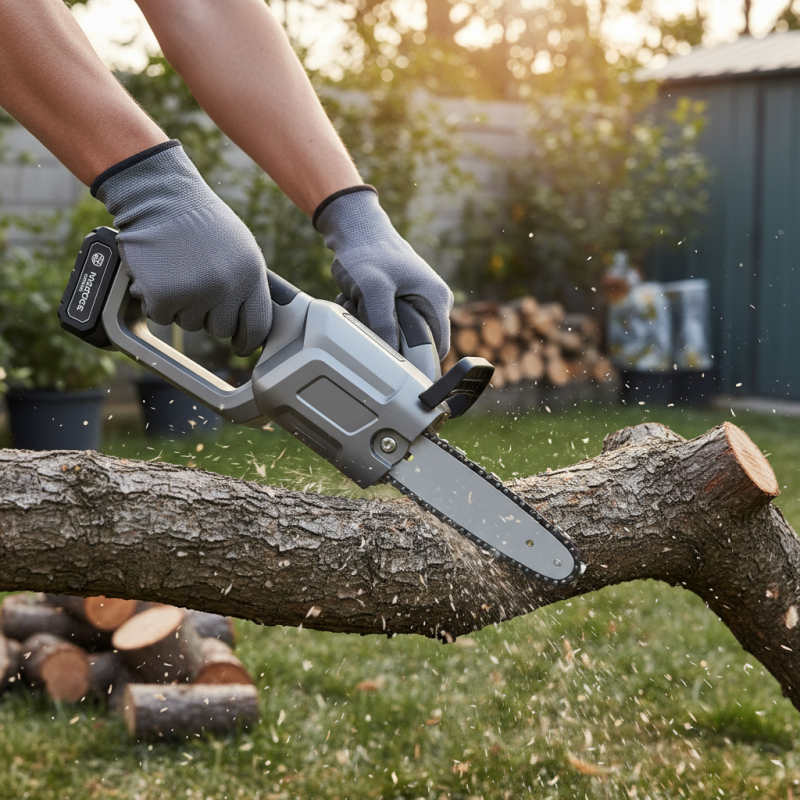
When choosing a hand-held chain saw, consider weight. A lighter model is easier to handle, especially for prolonged use. If it feels heavy, it may cause fatigue. Balance is crucial too. A well-balanced saw reduces strain on your arms and wrists. This feature improves precision and control while cutting.
Power source matters significantly. Battery-operated models offer convenience but may have limited run times. Gas-powered chain saws are powerful but heavier. Whichever you choose, ensure it matches your intended use. Battery life can be a concern. Charging time may also impact your work schedule.
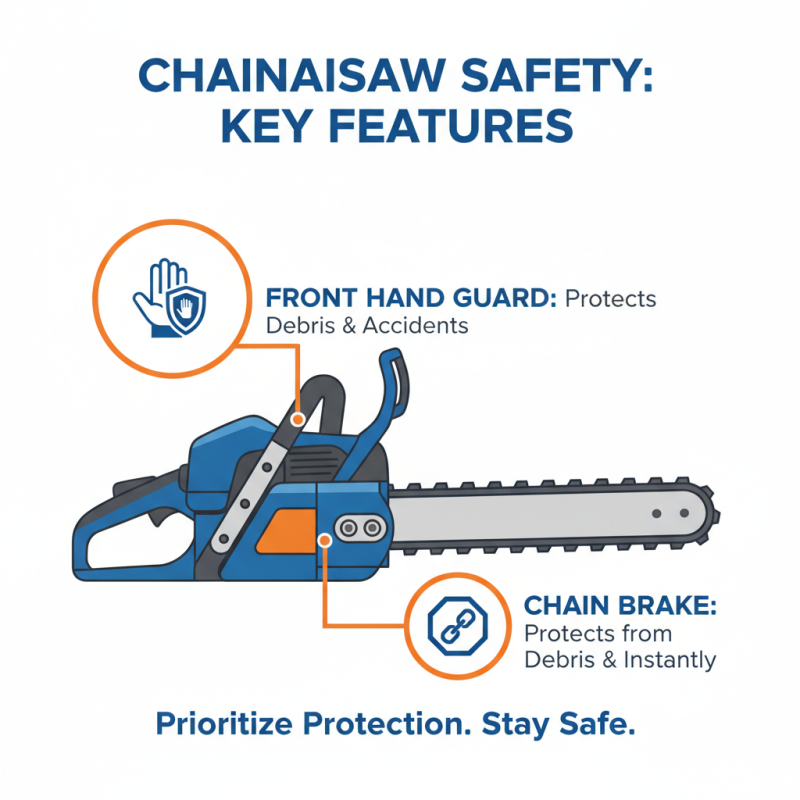
Another essential feature is the safety mechanism. Look for models with chain brakes and anti-vibration systems. These add protection during accidental slips. Ergonomic handles can enhance grip and comfort. Lastly, remember maintenance features. Easy access to the air filter and chain tensioner simplifies upkeep. Think about these aspects before making a purchase. Choosing the right chain saw requires careful thought.
Top 10 Hand Held Chain Saw Features
Understanding Chain Saw Power Sources: Gas vs. Electric vs. Battery
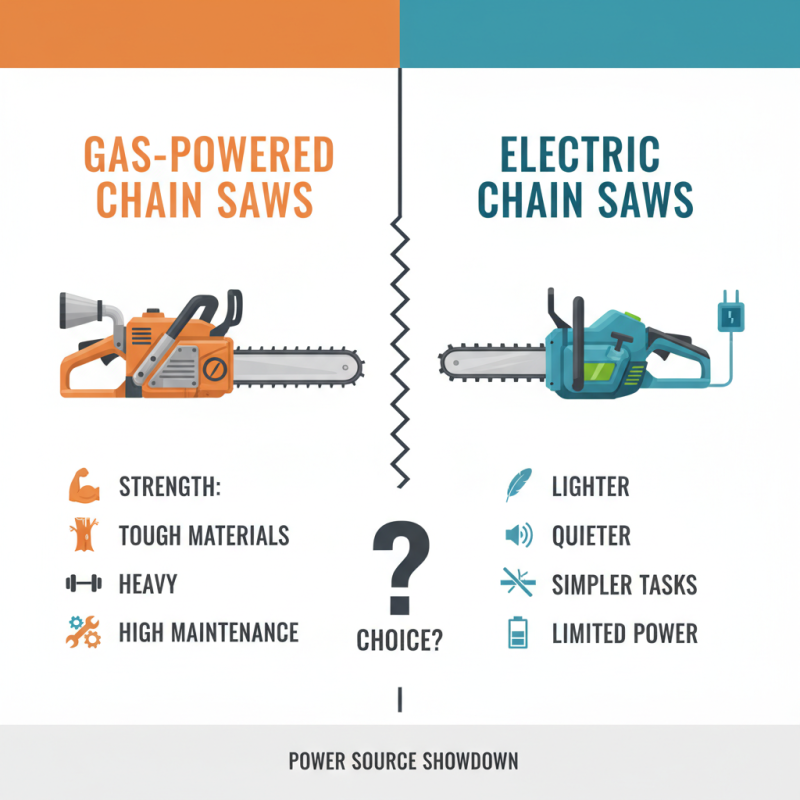
When it comes to power sources for handheld chain saws, users often face a choice. Gas-powered saws are known for their strength and ability to cut through tough materials. However, they can be heavy and require significant maintenance. On the other hand, electric chain saws are lighter and quieter. They are ideal for simpler tasks, but their power may be limited in tougher jobs.
Battery-powered options are gaining popularity. They provide portability and ease of use, making them great for small projects. However, battery life can be a concern, especially during prolonged use. It’s essential to consider the job requirements before making a choice. Is it a quick trim or heavy-duty cutting? Depending on the task, one source may shine while another falters.
In reality, the perfect tool may not exist. Users might end up needing multiple saws for different purposes. Choosing the right power source involves balancing weight, power, and convenience. It's essential to know your own needs and the limitations of each option.
Weight and Ergonomics: How They Affect Usability and Control
When choosing a handheld chainsaw, weight and ergonomics play a significant role in usability and control. A lighter chainsaw, typically weighing around 8 to 10 pounds, reduces user fatigue during extended use. Research indicates that operators can maintain better handling and precision with lighter models. For instance, a study showed that reducing weight by just 2 pounds can increase cutting accuracy by up to 30%.
Ergonomics are equally vital. A well-designed grip allows for comfortable maneuvering. Chainsaws with rubberized handles absorb vibrations, minimizing strain on the hands and arms. This is crucial since prolonged vibration exposure may lead to hand-arm vibration syndrome (HAVS) over time. Always look for an ergonomic design that fits your grip.
**Tip:** When testing a chainsaw, hold it for a few minutes. Feel how it balances. Does it feel comfortable?
Another consideration is the weight distribution. Chainsaws that balance well reduce the effort needed to control them. Those with forward-heavy designs can be challenging, especially for novice users. Opt for models that distribute weight closer to the body.
**Tip:** Remember to take breaks during long projects. This helps maintain concentration and prevents fatigue.
Maintenance and Durability Features for Long-Lasting Performance
When considering handheld chain saws, maintenance and durability are key aspects. A well-maintained saw performs better and lasts longer. Regular cleaning is essential. Remove sawdust and debris after each use. This simple step prevents wear on the motor and chain. Don't forget to check the chain tension. A loose chain can cause kickback and lead to accidents. Proper tension ensures safety and efficiency.
Durability features play a critical role in performance. Look for materials that resist wear and tear. Tough plastics and high-quality metals can withstand tough conditions. Consider the weight of the saw, too. A heavier model may be durable but can cause fatigue during prolonged use. Lightweight options are easier to handle but may sacrifice sturdiness.
Regular inspections are necessary. Check for rust, and ensure parts are functioning smoothly. If a chain feels sticky, it might need lubrication. Over time, certain components may wear out, requiring replacement. Investing time in these aspects allows for a more efficient tool. Embracing proper maintenance habits can be challenging. However, the rewards of a well-functioning saw are worth the effort.
Top 10 Hand Held Chain Saw Features You Should Know
| Feature |
Description |
Benefits |
| Lightweight Design |
Easier to handle and maneuver for extended periods. |
Reduces fatigue during long use. |
| Low Vibration |
Decreases operator discomfort. |
Improves control and precision cut. |
| Automatic Oiling |
Lubricates the chain without manual effort. |
Enhances chain life and reduces maintenance. |
| Easy Chain Replacement |
Quick-release mechanism for changing the chain. |
Saves time and effort. |
| Ergonomic Handle |
Comfortable grip designed for prolonged use. |
Reduction of hand strain and improves grip security. |
| Powerful Motor |
Provides sufficient cutting power. |
Cuts through tougher materials efficiently. |
| Safety Features |
Chain brake and hand guard protect user. |
Ensures safe operation and minimizes accidents. |
| Compact Size |
Easier transport and storage. |
Ideal for small job sites and home use. |
| Durability |
Built from high-quality materials for longevity. |
Reduces the need for frequent replacements. |
| Maintenance Indicators |
Visual signs for oil levels and chain tension. |
Helps in proactive maintenance and performance tracking. |