China Top Lawn Mower Parts Suppliers for Global Buyers
Choosing reliable Lawn Mower Parts suppliers in China requires more than comparing online prices. Global buyers need consistent quality, accurate specifications, and dependable communication. A replacement blade may look simple, yet a difference of two millimeters can affect balance, cutting performance, and operator safety. Small details matter.
Kris Kiser, president and CEO of the Outdoor Power Equipment Institute, has emphasized, “Read and follow the manufacturer’s instructions.” This practical advice applies directly to international parts sourcing. Buyers should check model compatibility, material grades, dimensions, packaging, and installation guidance before placing large orders. Experienced suppliers should provide drawings, sample approvals, inspection records, and clear warranty terms. They should also explain whether their parts are original, aftermarket, or compatible replacements.
This guide examines leading Chinese suppliers through a buyer-focused lens. It considers manufacturing experience, production capacity, export service, quality-control procedures, and response speed. Factory photographs can help, but they are not proof. Audits, sample testing, and traceable documents offer stronger evidence. Some suppliers may appear highly professional online but respond slowly after payment. That risk deserves attention.
No supplier is perfect.
The right partner depends on your mower brands, order volume, target markets, and service expectations. A small distributor may offer flexibility, while a larger manufacturer may provide better tooling and stable production. We will compare these differences carefully, helping global buyers make practical decisions about Lawn Mower Parts without relying on attractive claims alone.
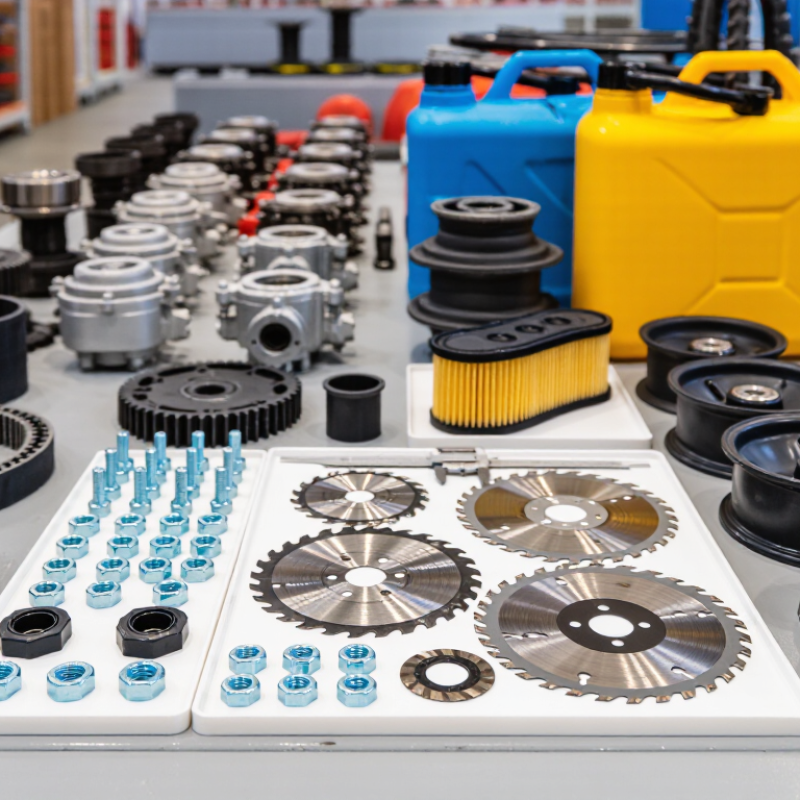
China’s lawn mower parts supply market serves original equipment, repair, and aftermarket buyers worldwide. Common products include blades, drive belts, wheels, cables, filters, housings, and battery connectors. Many factories specialize in only a few categories. That focus can improve consistency, but it may also create gaps in a complete parts program.
Experienced buyers usually compare more than unit prices. They check material specifications, production capacity, tooling ownership, and replacement-part compatibility. A blade supplier should provide steel grade, hardness data, dimensions, and balancing records. For plastic housings, buyers should review resin type, mold accuracy, impact resistance, and surface quality. Small details matter. A poorly fitted cable can stop an entire machine.
Reliable sourcing also depends on communication and inspection. Clear drawings, sample approval, batch labeling, and documented inspections reduce costly misunderstandings. Independent checks can examine dimensions, corrosion protection, packaging strength, and performance samples. Export packaging deserves attention, especially during long sea transport. Moisture can damage metal parts before arrival.
The market is competitive, but not every low quotation represents good value. A spreadsheet may look complete while hiding weak traceability. Some suppliers also promise too much too early. That deserves caution. Buyers should test a realistic order before expanding cooperation. No process is perfect. Even experienced teams can miss a small tolerance issue. Regular feedback, corrective actions, and honest production records create stronger supply relationships.
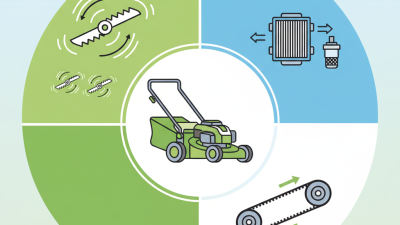
The chart presents a buyer-oriented reference index for major lawn mower parts categories commonly sourced from China. Cutting systems, powertrain components, battery systems, and electrical controls typically require the closest attention to material quality, compatibility, testing, and export documentation. The index is comparative rather than a company ranking or market-share measurement.
China Top Lawn Mower Parts Suppliers for Global Buyers
Chinese suppliers offer a broad range of lawn mower parts for commercial and residential equipment. Common products include cutting blades, blade adapters, spindle assemblies, belts, pulleys, wheels, axles, and deck components. Engine-related parts often include air filters, spark plugs, carburetors, fuel lines, recoil starters, and ignition coils. Electric mower buyers can also source motors, controllers, wiring harnesses, batteries, chargers, and safety switches.
Fit matters more than appearance. A blade may look correct but have the wrong center hole, thickness, or balance. Suppliers with technical experience can confirm dimensions through drawings, samples, and equipment data. Good manufacturers usually inspect hardness, machining accuracy, belt length, connector quality, and surface treatment before shipment. Ask for material details and test records. Small defects become expensive downtime.
I have found that clear communication prevents many sourcing errors. Send photographs, measurements, old part numbers, and usage conditions. For outdoor parts, ask about corrosion resistance and operating temperatures. Packaging also matters; bent blades and cracked plastic housings are not uncommon after rough handling. No catalog is perfect. A supplier may recommend a substitute that works, yet its service life may differ. Trial orders and practical field checks reveal more than promises. Reliable partners respond quickly when specifications need revision.
| Part Category | Common Part Types | Primary Function | Typical Materials | Compatibility Factors | Key Buyer Checks |
|---|---|---|---|---|---|
| Cutting System | Mower blades, blade adapters, blade bolts, washers, blade spindles | Cuts grass and transfers rotary motion from the drive system | Heat-treated carbon steel, alloy steel, forged or stamped steel | Deck width, blade length, center-hole shape, mounting-hole pattern, rotation direction | Confirm dimensions, balance, hardness, corrosion protection, and applicable safety requirements |
| Engine and Fuel System | Air filters, spark plugs, carburetors, fuel caps, fuel lines, fuel filters | Supports air intake, fuel delivery, ignition, and engine operation | Filter paper or foam, aluminum or zinc alloy, rubber, plastic, steel | Engine displacement, mounting interface, thread size, hose diameter, filter dimensions | Request dimensional drawings, material specifications, sealing performance, and test samples |
| Starting and Ignition | Recoil starters, starter handles, ignition coils, spark-plug leads, stop switches | Starts the engine and controls ignition or engine shutdown | Steel, aluminum, copper wire, thermoplastic insulation, rubber components | Mounting-hole spacing, rope length, coil air gap, connector type, electrical specifications | Check pull-force durability, electrical resistance, connector fit, and operating temperature range |
| Drive and Transmission | Drive belts, pulleys, gearboxes, drive wheels, axles, bearings | Transfers engine or motor power to the wheels or cutting assembly | Reinforced rubber, steel, sintered metal, aluminum alloy, engineering plastics | Belt profile and length, pulley diameter, shaft size, gear ratio, wheel diameter | Verify load capacity, dimensional tolerance, belt tracking, wear resistance, and noise level |
| Deck and Structural Parts | Mower decks, deck covers, side guards, brackets, height-adjustment levers | Supports the cutting system and protects operators from moving components | Painted steel, galvanized steel, aluminum alloy, glass-filled plastic | Deck width, mounting points, discharge direction, height-adjustment range | Inspect flatness, weld quality, coating adhesion, edge treatment, and corrosion resistance |
| Grass Collection and Discharge | Grass bags, collection boxes, discharge chutes, mulching plugs, deflectors | Collects, redirects, or finely recirculates cut grass | Woven polyester, polypropylene, polyethylene, steel mesh, molded plastic | Deck geometry, mounting hooks, chute opening, airflow design, collection capacity | Check fabric strength, ventilation, attachment security, UV resistance, and dimensional fit |
| Wheels and Height Adjustment | Front wheels, rear wheels, wheel bushings, height brackets, adjustment knobs | Provides movement and allows the operator to set cutting height | Polypropylene, rubberized plastic, steel, aluminum, nylon | Wheel diameter, axle diameter, tread pattern, offset, adjustment mechanism | Evaluate rolling resistance, impact strength, load rating, and adjustment repeatability |
| Handle and Operator Controls | Handle tubes, control cables, bail levers, throttle controls, grips, fasteners | Allows steering, speed control, blade engagement, and operator safety control | Powder-coated steel, aluminum, rubber, plastic, galvanized wire | Tube diameter, cable length, lever travel, mounting-hole spacing, folding design | Check ergonomic design, cable flexibility, weld strength, grip durability, and control return action |
| Electric and Battery Components | Electric motors, battery housings, chargers, wiring harnesses, switches, connectors | Powers and controls cordless or corded mower systems | Copper, aluminum, ABS or PC plastic, rubber insulation, laminated steel | Voltage, current, connector polarity, motor shaft size, battery interface, enclosure rating | Request electrical test reports, insulation ratings, thermal protection details, and charger compliance documentation |
| Fasteners and Service Kits | Bolts, nuts, washers, circlips, gaskets, seals, maintenance kits | Secures assemblies and supports routine maintenance or repair | Carbon steel, stainless steel, nitrile rubber, silicone, fiber gasket material | Thread standard, thread pitch, diameter, length, seal profile, temperature resistance | Confirm dimensions, grade, torque requirements, corrosion resistance, packaging, and kit contents |
Choosing a China-based lawn mower parts manufacturer requires more than comparing quotations. MarketsandMarkets estimated the global lawn mower market at about USD 30 billion in 2023, with continued growth expected through 2028. This expansion increases demand for dependable blades, belts, wheels, cables, and engine components. However, industry estimates vary by research method. Treat forecasts as direction, not proof.
Request production samples before signing a large order. Check blade hardness, belt flexibility, hole alignment, surface coating, and packaging strength. Ask for material certificates, inspection records, batch traceability, and documented quality procedures. An ISO 9001 certificate can support confidence, but it does not replace an on-site audit. Experienced buyers should compare the sample against technical drawings, not photographs. I once saw a visually perfect part fail because its mounting tolerance was slightly wrong. Small errors become expensive during assembly.
Tips: Review factory capacity, equipment age, inspection tools, and worker training. Confirm minimum order quantities, tooling ownership, replacement policies, and realistic lead times. Ask whether the supplier performs incoming, in-process, and final inspections. Request a written corrective-action report when defects appear. Independent laboratory testing may be worthwhile for critical materials. Do not select the lowest price automatically. A cheaper component can create higher warranty, downtime, and freight costs. Suppliers should communicate clearly, accept technical questions, and admit limitations. That last point matters. Perfect claims deserve careful checking.
China Top Lawn Mower Parts Suppliers for Global Buyers
Quality Standards, Certifications, and Product Testing Requirements
Reliable lawn mower parts suppliers should provide more than attractive prices. Buyers need clear drawings, material specifications, and controlled production records. In supplier audits, I look for batch numbers stamped on cartons and inspection results linked to each shipment. Small details matter. A loose bearing or poorly hardened blade adapter can stop an entire machine.
Quality systems such as ISO 9001 can show organized process control, but certification alone does not prove product quality. The certificate should be valid, traceable, and issued by a recognized certification body. For electrical or engine-related parts, buyers must confirm the requirements of the destination market. Depending on the product, applicable conformity documents may include CE or UKCA records. These documents should match the actual model, materials, and production site.
Product testing should reflect real operating conditions. Dimensional checks, hardness testing, torque tests, corrosion resistance, vibration checks, and fatigue testing are useful for different components. Inspectors should review sampling plans, equipment calibration, and failed-test records. A supplier that hides defects creates more risk than one that reports them honestly. I have seen factories pass appearance checks while missing long-term wear problems. That experience is worth remembering. Pre-shipment inspection, retained samples, and random re-testing can expose weaknesses before parts reach distributors. Specifications should also be reviewed when designs change; old test reports may no longer be reliable.
Reliable lawn mower parts sourcing starts with precise information. Send the supplier the mower model, part number, measurements, material, and clear photos. A simple drawing can prevent an expensive mistake. Request a sample before approving a larger order. Confirm thread size, blade length, belt profile, and packaging details in writing. Good suppliers answer technical questions directly and disclose production lead times.
Shipping needs equal attention. Ask for carton dimensions, gross weight, shipping terms, and the correct customs documentation. Confirm whether the quotation includes export packing, freight, insurance, and destination charges. For urgent repairs, air freight may be suitable; sea freight usually reduces costs for heavier cartons. Check the estimated delivery date against your maintenance schedule. Delays happen, even with careful planning.
After-sales support should be agreed before payment. Request a written warranty period, replacement procedure, and response time for damaged or incorrect parts. Keep inspection photos, packing lists, and serial records when the shipment arrives. A dependable supplier should review evidence and offer a practical solution, not simply blame transport. Still, no process is perfect. I would allow extra time for customs checks and rechecking measurements, because small errors can stop an entire repair job. Clear communication remains the most valuable tool for global buyers.