
What Are the Top 10 Sprayer Parts Manufacturers in China?
Choosing reliable Sprayer Parts manufacturers in China requires more than comparing catalogs or factory prices. A professional buyer must examine material quality, machining accuracy, sealing performance, delivery consistency, and after-sales support. Small details matter. A poorly fitted nozzle body can create uneven spray patterns, wasted chemicals, and costly field repairs.
This guide reviews ten leading Chinese manufacturers through a practical, evidence-based lens. The comparison considers product range, manufacturing experience, inspection procedures, customization ability, export performance, and customer feedback. It also looks at components such as nozzles, pumps, filters, valves, regulators, diaphragms, and hose fittings. Agricultural sprayers operate under pressure, vibration, dust, and changing temperatures. Therefore, reliable parts must perform beyond a clean factory sample.
Dr. Erdal Ozkan, a respected agricultural spraying technology specialist, has stated, “The best way to reduce spray drift is to avoid spraying under windy conditions.” His observation reminds buyers that component quality cannot replace responsible equipment operation. Even an excellent manufacturer cannot solve every field problem. No ranking is perfect. Public information can be incomplete, and some supplier claims require independent verification. That limitation deserves attention. Buyers should request material certificates, sample testing, production photos, and clear warranty terms before placing large orders. The manufacturers discussed here may suit different needs, from standard replacement parts to customized assemblies for commercial sprayers. The strongest choice is not always the cheapest one. It is the supplier that combines dependable engineering, transparent communication, stable quality, and realistic technical support.
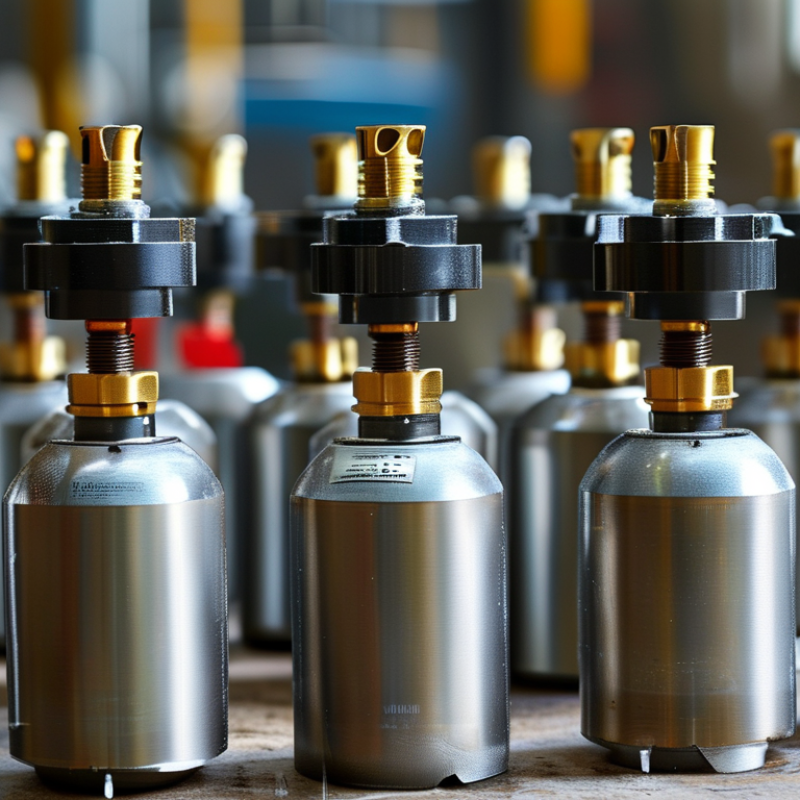
How China’s Sprayer Parts Manufacturing Industry Is Structured
How China’s Sprayer Parts Manufacturing Industry Is Structured
China’s sprayer parts industry is not a single factory network. It is a layered manufacturing system. The National Bureau of Statistics reported that equipment manufacturing accounted for 33.6% of China’s industrial value added in 2023. Sprayer components benefit from this broad industrial base.
The top ten suppliers typically sit within different production clusters. Some focus on injection-molded tanks, seals, and handles. Others specialize in pumps, pressure regulators, nozzles, valves, or metal fittings. A smaller group integrates several processes. These companies often purchase stainless steel, engineering plastics, rubber, and electronic controls from nearby subcontractors. This structure reduces transport time. It can also create inconsistent quality between batches.
UN Comtrade classifies many sprayer products under HS 8424, covering equipment that projects liquids, gases, or powders. However, the code does not separate every agricultural sprayer part. That limitation matters when comparing export figures. China Customs data and factory audits are therefore more useful for serious sourcing decisions. In practice, buyers should check material certificates, pressure-test records, nozzle flow variation, and mold maintenance logs. A polished sample proves little. Production discipline matters more.
The industry serves both replacement markets and original equipment production. Export-oriented factories usually maintain multilingual documentation and standardized packaging. Domestic suppliers may offer faster customization and smaller trial orders. This difference is not absolute. It changes by province, product category, and production season. Some manufacturers still rely heavily on manual inspection. That remains a weakness worth questioning.
What Are the Top 10 Sprayer Parts Manufacturers in China? - How China’s Sprayer Parts Manufacturing Industry Is Structured
| No. | Sprayer Parts Segment | Main Manufacturing Function | Common Materials | Typical Production Processes | Key Quality Control Points | Typical Applications | Common Chinese Manufacturing Regions |
|---|---|---|---|---|---|---|---|
| 1 | Nozzles and Spray Tips | Convert liquid flow into a controlled spray pattern and droplet size. | Brass, stainless steel, acetal, polypropylene, ceramic and engineering plastics. | Precision molding, CNC machining, drilling, deburring and ultrasonic cleaning. | Orifice size, spray angle, flow rate, blockage resistance and chemical compatibility. | Agricultural, garden, industrial cleaning and hygiene sprayers. | Zhejiang, Jiangsu, Guangdong and Shandong. |
| 2 | Spray Guns and Trigger Assemblies | Control spraying, shut-off and operator ergonomics. | Polypropylene, nylon, acetal, stainless steel, brass and elastomers. | Injection molding, insert molding, assembly and leak testing. | Trigger cycle life, sealing performance, flow adjustment and connection strength. | Handheld garden sprayers, pressure sprayers and cleaning equipment. | Zhejiang, Guangdong, Fujian and Jiangsu. |
| 3 | Pumps and Pump Chambers | Create pressure and move liquid from the tank to the outlet. | Polypropylene, polyethylene, nylon, stainless steel, brass and rubber compounds. | Injection molding, die casting, machining, diaphragm assembly and pressure testing. | Output pressure, priming ability, wear resistance, chemical resistance and sealing. | Manual agricultural sprayers, backpack sprayers and cleaning systems. | Zhejiang, Jiangsu, Shandong and Hebei. |
| 4 | Pressure Regulators and Valves | Maintain, release or isolate pressure within the spraying system. | Brass, stainless steel, nylon, polypropylene and elastomer seals. | CNC machining, injection molding, spring assembly and calibration. | Pressure accuracy, relief response, valve-seat sealing and corrosion resistance. | Agricultural boom sprayers, industrial systems and high-pressure washers. | Zhejiang, Jiangsu, Guangdong and Shandong. |
| 5 | Hoses, Tubes and Connectors | Transfer liquid between the tank, pump, valves and nozzles. | PVC, EPDM, polyurethane, nylon, polyethylene and stainless steel. | Extrusion, braiding, injection molding, cutting and fitting assembly. | Burst pressure, flexibility, dimensional accuracy, hose retention and leakage. | Agricultural, horticultural, construction and industrial spraying equipment. | Zhejiang, Jiangsu, Hebei and Guangdong. |
| 6 | Filters and Strainers | Remove particles that could block valves, pumps or nozzles. | Polypropylene, nylon mesh, stainless steel mesh and polyethylene. | Injection molding, mesh cutting, ultrasonic welding and cartridge assembly. | Mesh rating, effective filtration area, pressure drop and cleanability. | Agricultural sprayers, liquid fertilizer systems and industrial fluid equipment. | Zhejiang, Jiangsu, Guangdong and Fujian. |
| 7 | Tanks, Caps and Sealing Components | Store the spray liquid and provide a secure, serviceable enclosure. | HDPE, polypropylene, nylon, polyethylene and EPDM or NBR seals. | Blow molding, injection molding, rotational molding and gasket assembly. | Wall thickness, dimensional stability, chemical compatibility and leak resistance. | Handheld, backpack, trolley and agricultural sprayers. | Zhejiang, Jiangsu, Guangdong and Shandong. |
| 8 | Electric and Battery-Powered Pump Modules | Provide automated liquid delivery for portable or vehicle-mounted systems. | Engineering plastics, copper, stainless steel, electronic components and elastomers. | Motor assembly, diaphragm or piston assembly, wiring and functional testing. | Flow stability, power consumption, operating temperature, water resistance and service life. | Battery sprayers, electrostatic sprayers and compact agricultural equipment. | Guangdong, Zhejiang, Jiangsu and Fujian. |
| 9 | Booms, Lances and Spray Assemblies | Position nozzles and establish spray coverage and spacing. | Aluminum, stainless steel, brass, nylon and reinforced plastics. | Tube forming, cutting, welding, machining and modular assembly. | Straightness, nozzle spacing, structural strength, corrosion resistance and joint sealing. | Field-crop sprayers, orchard sprayers, lance systems and cleaning tools. | Shandong, Zhejiang, Jiangsu and Hebei. |
| 10 | Gaskets, Diaphragms and Replacement Seal Kits | Prevent leakage and maintain pressure in moving or threaded assemblies. | EPDM, NBR, FKM, silicone, polyurethane and PTFE. | Compression molding, die cutting, rubber vulcanization and kit assembly. | Hardness, dimensional accuracy, compression set, chemical resistance and fatigue life. | Pump repair, valve service, pressure sprayers and agricultural machinery maintenance. | Zhejiang, Jiangsu, Guangdong and Hebei. |
Related Posts
-

Why Understanding Sprayer Parts is Essential for Efficient Application
-
How to Choose the Right Sprayer Parts for Your Equipment?
-
Top 10 Essential Sprayer Parts for Global Buyers to Consider
-

China Top Sprayer Parts for Agriculture How to Choose the Best Options?
-
2026 Top Hand Held Chain Saw Buying Guide for Global Buyers?
-
Top Lawn Mower Parts You Need for Optimal Performance?


