
How to Choose the Best Garden Tools?
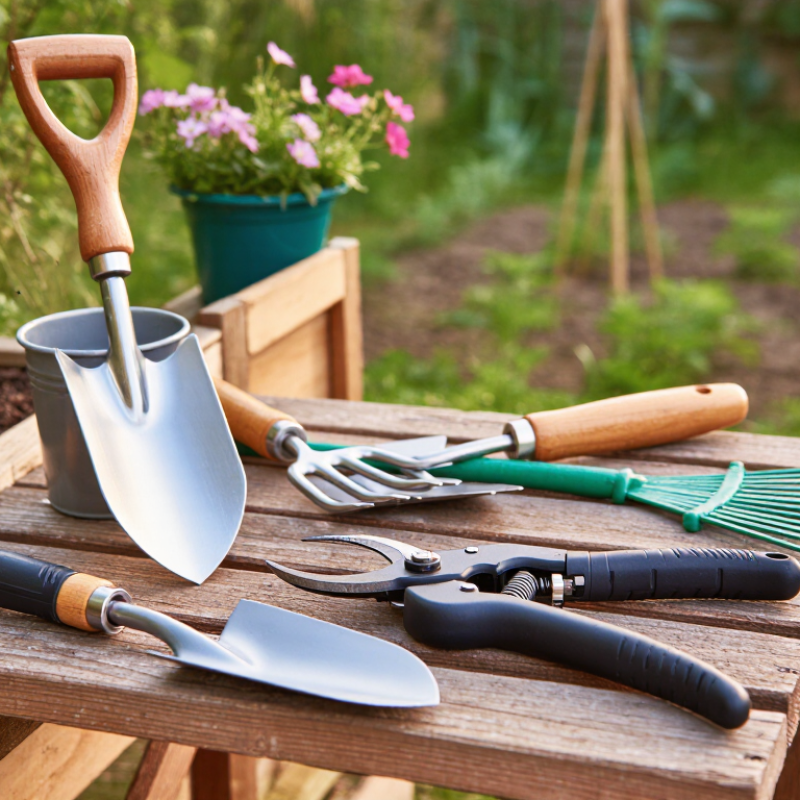
Choosing the best Garden Tools begins with the work your garden actually needs. A compact balcony planter calls for different equipment than a broad vegetable bed. Think about your soil, available storage, and the tasks you repeat each week. Digging heavy clay, trimming soft stems, and moving compost each place different demands on a tool. Match the tool to the job, not just to a shiny display. That distinction can save effort.
Fit matters, too. Hold a spade or pruner before buying, if possible. Check that the handle feels secure and the tool’s weight is manageable. A grip that seems comfortable in a shop may feel tiring after twenty minutes outdoors. Small details matter. Look for sturdy joints, smooth-moving blades, and materials suited to regular use. Stainless steel resists rust, but it still needs cleaning and care. No tool is maintenance-free. For routine jobs, a few reliable, well-fitted pieces may serve better than a crowded shed. Still, preferences change as a garden grows, and there is no perfect kit for everyone. Compare construction, comfort, price, and replacement-part availability before deciding. These practical checks make it easier to choose Garden Tools that feel dependable in your hands and useful season after season.
Assess Your Garden’s Size, Soil, and Typical Tasks
Before choosing garden tools, measure your beds and note how far you carry equipment. A narrow patio may need a compact hand trowel and folding pruners, not a full-length spade. For larger plots, a wheelbarrow and long-handled hoe can save repeated trips and reduce bending. Think about storage, too. A shed with limited wall space changes what is practical.
Soil affects the tools that will feel comfortable and last. Check a handful when it is slightly moist: sandy soil falls apart, while clay soil tends to hold its shape. A sturdy spade helps with dense ground, but forcing it into wet clay can compact the soil and strain your back. It matters. For loose beds, a lighter fork may be easier to control. I learned that a tool that looks tough can still be awkward after twenty minutes.
List the jobs you do in a typical week, such as weeding, pruning, turning compost, or watering containers. Choose tools that match those tasks rather than buying a large set. Pruners should open smoothly and fit your hand; test the grip if possible. For frequent digging, check the handle length and weight before you commit. Bring less. A small kit you can reach easily often gets used more than tools crowded in a corner.
How to Choose the Best Garden Tools? - Assess Your Garden’s Size, Soil, and Typical Tasks
| Garden situation | Typical tasks | Useful tools | What to look for | Practical buying tip |
|---|---|---|---|---|
| Small patio or container garden Several pots or a few planters |
Potting, transplanting seedlings, removing weeds, and pruning herbs or flowers | Hand trowel, hand fork, bypass pruners, watering can | Compact heads, comfortable handles, corrosion-resistant metal, and a watering-can capacity that is easy to carry when full | Prioritize a few versatile hand tools; long-handled tools may take up unnecessary storage space. |
| Small in-ground garden Raised beds or a compact plot |
Loosening the surface, planting, light weeding, and moving compost | Garden fork, hoe, hand trowel, rake, bypass pruners | A fork with sturdy tines for compacted patches, a hoe suited to the bed width, and a rake that is not too heavy | Choose handle lengths that let you work without excessive bending, while still fitting between beds. |
| Medium vegetable garden Multiple beds or rows |
Preparing soil, planting in rows, regular weeding, harvesting, and carrying materials | Spade or digging fork, hoe, bow rake, garden cart, harvest snips | A secure handle-to-head connection, a blade or tines appropriate for the soil, and a cart sized for paths and storage | For repeated digging, test the tool’s weight and grip; a tool that feels manageable is more useful than one that is simply heavier. |
| Large garden or mixed landscape Long beds, lawn edges, and shrubs |
Frequent digging, moving soil or mulch, edging, pruning, and maintaining larger planting areas | Long-handled spade, digging fork, wheelbarrow or cart, edging tool, loppers | Durable construction, replaceable or maintainable parts, suitable load capacity, and handles that match your reach and working posture | Buy tools for the jobs you do often first; occasional tasks may not justify dedicated equipment. |
| Heavy clay soil Dense and slow-draining when wet |
Breaking up soil when it is workable, lifting roots, and incorporating organic matter | Sturdy digging fork, strong spade, broadfork for larger beds | Strong tines and a stable head-to-handle joint; avoid forcing tools into very wet clay, which can compact the soil | Work clay when it is moist but not saturated. A digging fork can loosen soil with less cutting than a spade. |
| Sandy or loose soil Drains quickly and is easy to shift |
Planting, shaping beds, removing weeds, and spreading compost or mulch | Spade, garden rake, hoe, hand trowel | A comfortable, balanced tool; a rake with a suitable head width for the size of the beds | A small hand rake can be easier to control in narrow beds, while a wider rake covers open areas faster. |
| Rocky or root-filled ground Obstacles make digging difficult |
Opening planting holes, loosening small areas, and cutting through roots or tough growth | Digging fork, narrow spade, sturdy hand trowel, loppers for reachable woody stems | Strong, well-secured heads and a shape that can work around obstacles; use cutting tools only on material within their rated capacity | Remove large stones by hand where practical, and avoid using a pruning tool to cut roots or stems that exceed its capacity. |
| Established shrubs and small trees Regular woody growth to maintain |
Trimming live stems, removing thicker branches, and clearing small prunings | Bypass pruners, loppers, pruning saw, gloves | Sharp, cleanable blades; a comfortable grip; and cutting capacity suited to the diameter of the branches | Bypass pruners are generally suited to clean cuts on live stems; keep blades sharp and clean to reduce tearing and disease spread. |
| Frequent lifting or limited strength Any garden size |
Digging, carrying, pruning, or repetitive hand work | Lightweight hand tools, a garden cart, ergonomic pruners, tools with longer handles where appropriate | Manageable weight, secure non-slip grips, balanced design, and a handle length that reduces awkward bending or reaching | Try the grip and balance before buying when possible. Take breaks and use a cart rather than carrying heavy loads by hand. |
Selection reminder: Match each tool to the area you maintain, your soil conditions, and the jobs you perform most often. Clean tools after use, dry metal parts before storage, and sharpen cutting edges as needed.
Related Posts
-
China Top Garden Tools Manufacturers for Global Buyers
-
Essential Tips for Choosing the Right Gasoline Chain Saw?
-

How to Choose the Best China Chain Saw for Your Needs?
-
2026 Best Chainsaw Parts You Need for Your Tools?
-

Brush Cutter Challenges You Should Know Before Buying
-
Unleashing Power: How to Choose the Perfect Stihl Chainsaw for Your Projects


