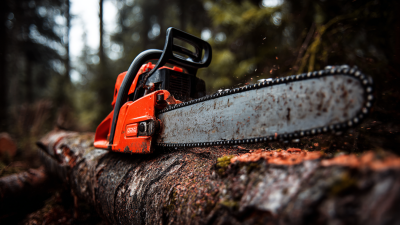
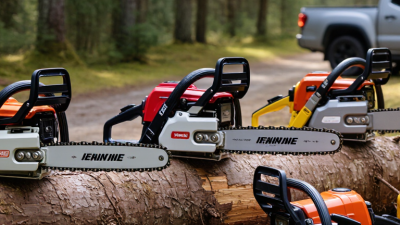
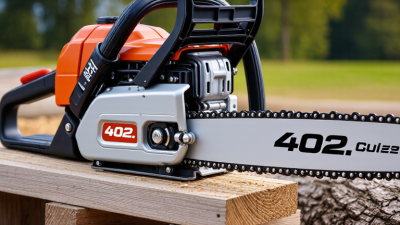
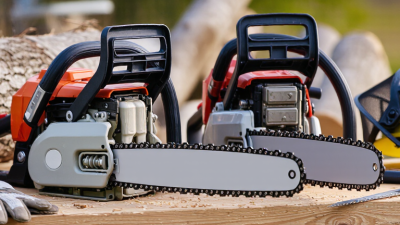
How to Choose a Gasoline Chain Saw in 2026?
Choosing a Gasoline Chain Saw in 2026 requires more than comparing engine size and price. Modern models vary in power delivery, vibration control, fuel efficiency, noise output, and maintenance demands. The right choice depends on your cutting environment, experience level, and expected workload.
A homeowner clearing storm-damaged branches needs different equipment from a professional handling hardwood logs daily. Bar length matters. A longer bar can reach deeper cuts, but it also adds weight and reduces control. A compact saw may feel easier beside a fence or shed, while a stronger model performs better on thick, dry timber. Small details become important.
Safety comes first.
This guide examines engine displacement, chain speed, guide-bar length, anti-vibration systems, braking features, starting methods, and emissions-related design changes. It also considers cold starts, fuel storage, air-filter cleaning, and service access. These practical details often determine whether a saw remains dependable after months of demanding use.
Reliable recommendations should reflect manufacturer specifications, recognized safety guidance, and real operating conditions. Product claims can sound impressive, yet published numbers do not always predict comfort in the field. A heavier saw may offer greater cutting capacity, but it can quickly fatigue an inexperienced user. That trade-off deserves honest attention.
Some choices remain imperfect. No single Gasoline Chain Saw suits every property, climate, or operator. Before buying, confirm local regulations, wear proper protective equipment, and consider training from a qualified professional. A careful decision protects your budget, your equipment, and your hands.
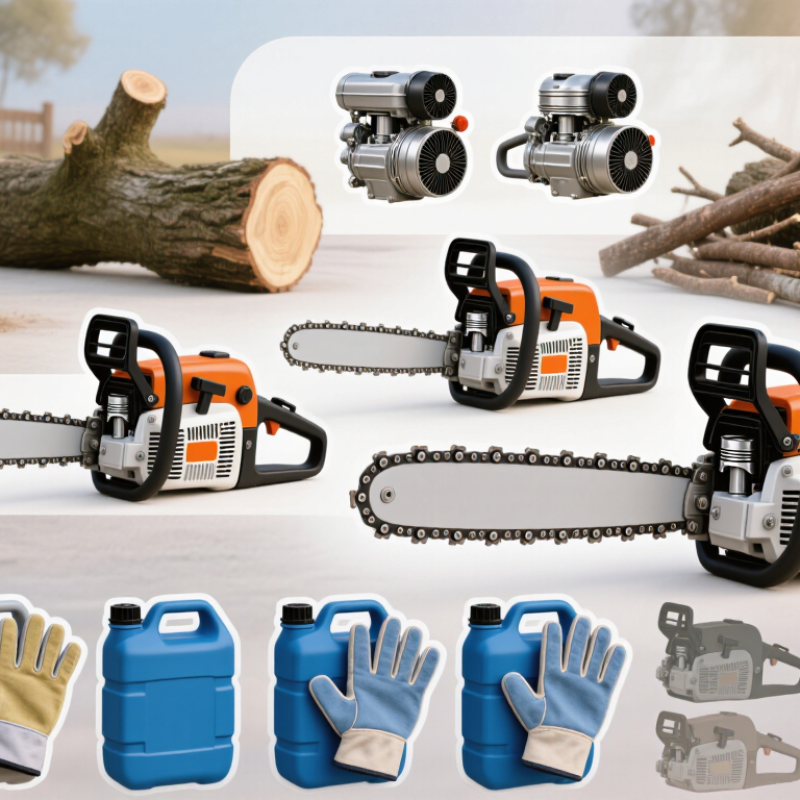
Define Cutting Tasks and Match 30–45 cc or 50–70 cc Engine Classes
How to Choose a Gasoline Chain Saw in 2026? Define Cutting Tasks and Match 30–45 cc or 50–70 cc Engine Classes
Start with the cut, not the saw. A 30–45 cc gasoline chain saw suits pruning, storm cleanup, and firewood under about 25 cm thick. It feels lighter during ladder-free ground work. Fuel use is usually lower. However, small engines lose speed in dense hardwood. That weakness becomes obvious when the chain is dull or the bar is too long.
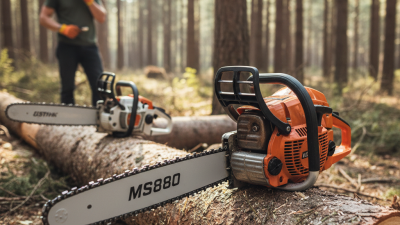
Choose a 50–70 cc class for frequent felling, large firewood, and logs around 30–50 cm thick. Its stronger torque maintains chain speed under load. Match the bar length to the engine, rather than choosing the longest option. A longer bar adds weight and increases cutting resistance. The USDA Forest Service Wood Handbook, FPL-GTR-282, notes that species, density, and moisture greatly affect wood-working resistance. Green hardwood can punish an undersized saw.
I learned this through an avoidable mistake. I used a compact saw on wet oak and forced the cut. The engine bogged, and fatigue arrived quickly. It was not a heroic choice. CPSC injury surveillance has often cited roughly 36,000 chain-saw-related emergency injuries annually in the United States. OSHA 1910.266 also emphasizes training, protective equipment, and safe operating procedures. Check chain brake function, anti-vibration condition, and cold-start behavior before purchase. A 50–70 cc saw may be excessive for occasional trimming, while a 30–45 cc model may frustrate anyone processing hardwood every weekend.
Compare Chain Speed, Power-to-Weight Ratio, and Fuel Capacity
How to Choose a Gasoline Chain Saw in 2026?
When choosing a gasoline chain saw, compare chain speed with real cutting demands. A faster chain can slice through hardwood efficiently, but it also requires steady handling and a sharp chain. Check the manufacturer’s rated speed in meters per second. Do not judge performance from speed alone. Engine power must support that speed under load.
Power-to-weight ratio matters during limbing, storm cleanup, and long cutting sessions. A lighter saw with adequate power causes less shoulder fatigue. However, an extremely light model may sacrifice fuel capacity or cutting strength. Larger fuel tanks extend working time, but they add weight before refueling. That trade-off is easy to underestimate.
Tips: Hold the saw with both hands and test its balance before buying. Compare dry weight, tank capacity, and chain speed together. A practical target is enough power for your usual wood, not the biggest number available. Clean filters and a properly tensioned chain strongly affect cutting speed. Fast is not always better. I would also reconsider advertised runtime, because fuel use changes sharply in dense, wet timber. Check the manual for measured fuel consumption and recommended chain specifications.
Verify ANSI B175.1 Safety Features and OSHA 1910.266 Requirements
Choosing a gasoline chain saw in 2026 requires more than comparing engine size or bar length. Check whether the saw is designed to meet ANSI B175.1 safety requirements. Look for a chain brake, throttle trigger lockout, front and rear hand guards, a chain catcher, and reduced-kickback features. These controls should work smoothly, not merely appear in product photographs.
OSHA 1910.266 also matters for professional logging and tree-care work. The equipment should include a clear operator’s manual, warning labels, and maintenance instructions. Employers must provide training, hazard assessment, and suitable personal protective equipment. That usually includes eye and hearing protection, cut-resistant leg protection, gloves, and protective footwear.
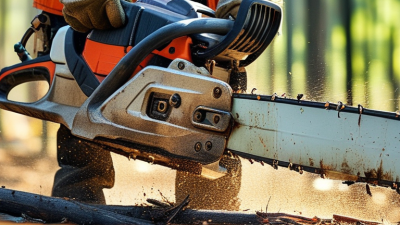
Inspect the chain, brake, sprocket, fuel system, and anti-vibration mounts before each use. A damaged brake is a serious warning.
Tips: Hold the saw with both hands and keep the thumb wrapped around the handle. Avoid cutting above shoulder height. Clear the work area before starting. Never rely on the chain brake alone. A certification mark does not replace training, inspection, or judgment. I would also test the controls before buying, because a stiff trigger or delayed brake response can be easy to overlook. Small details matter.
Check EPA Phase 3 Compliance, Noise Ratings, Warranty, and Service Support
Choosing a gasoline chain saw in 2026 requires more than comparing engine size. For U.S. buyers, check the EPA Phase 3 compliance label on the saw or its official documentation. This confirms the engine meets current emissions requirements for its category. Do not rely only on a sales description. Ask for the certification details. I once trusted a specification sheet without checking the manual. That small shortcut created unnecessary questions later.
Noise ratings deserve equal attention. A powerful saw can sound harsh in a narrow yard, beside a house, or near a rural workshop. Look for a measured decibel rating and confirm the testing conditions. Ratings may differ between the operator’s position and the machine’s overall sound level. Lower numbers help, but hearing protection remains necessary. Very important.
Study the warranty before paying. Check its length, covered components, maintenance requirements, and exclusions for normal wear. A long warranty has little value if authorized service is several hours away. Ask whether local technicians stock chains, sprockets, filters, and ignition parts. Also ask about average repair times during winter or storm seasons. Keep receipts and maintenance records. Reliability is partly built through service, not just purchased at checkout. I still think some buyers overlook this because engine power feels more impressive. That is a useful mistake to reconsider before choosing.
How to Choose a Gasoline Chain Saw in 2026
Check EPA Phase 3 compliance, noise ratings, warranty coverage, and service support.
Noise exposure time decreases rapidly as sound levels rise. When comparing gasoline chain saws, review the stated dB(A) rating and use appropriate hearing protection. Also confirm that the saw carries the required EPA Phase 3 emissions information, then compare written warranty terms, parts availability, and access to qualified service technicians.
Reference: OSHA 29 CFR 1910.95 permissible noise exposure limits. Actual chain saw sound levels vary by model, cutting conditions, distance, and operator position.