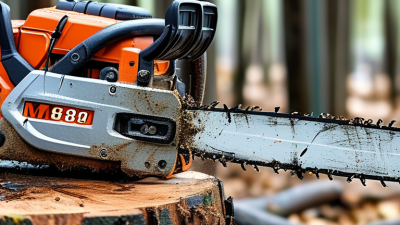
Why Choose the Right Chain Saw for Your Needs?
Choosing the right chain saw is vital for both safety and efficiency. The market for chain saws has expanded significantly. According to a report by Grand View Research, the global chain saw market is projected to reach over $1.4 billion by 2025. This growth reflects the increasing use of chain saws in various applications, such as forestry, landscaping, and construction.
When selecting a chain saw, it’s essential to consider specific needs. Professional users, for example, may require more powerful and durable models. In contrast, casual users often benefit from lighter, easier-to-handle options. Understanding these differences can prevent potential mishaps and enhance productivity. A report from IBISWorld highlights that 60% of chain saw-related accidents stem from improper usage. This statistic underscores the importance of choosing the right tool for each task.
User experience varies widely. Some find chain saws challenging to handle, while others may underestimate the importance of proper training. The right chain saw can make all the difference. Reflecting on personal experiences, many users see improvements in both performance and safety when equipped with the proper knowledge and tools.
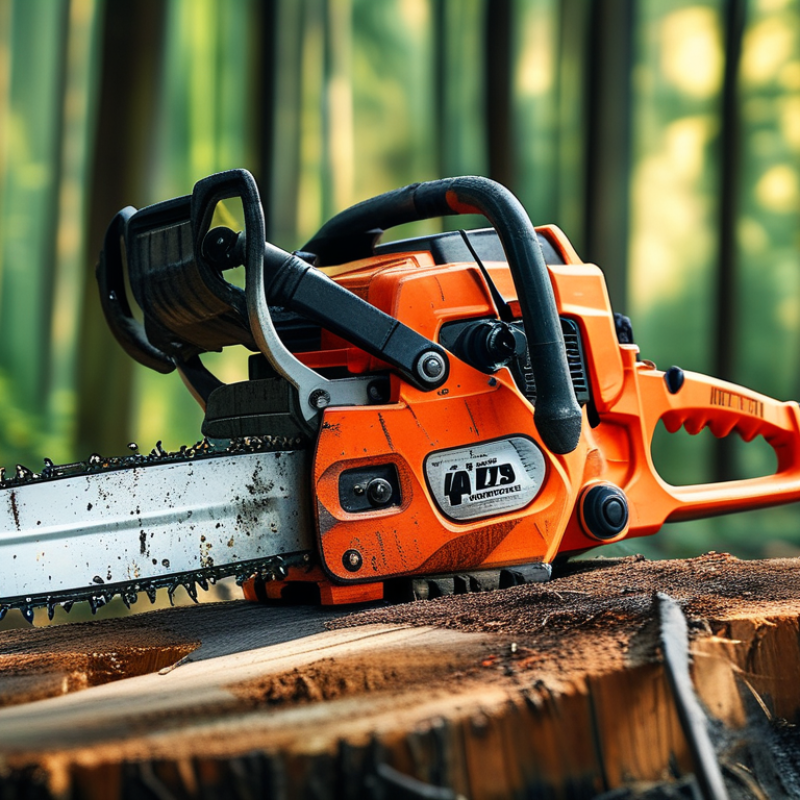
Understanding Different Types of Chain Saws and Their Uses
Choosing the right chain saw can feel overwhelming. Each type serves a unique purpose. Knowing these types helps in making informed decisions.
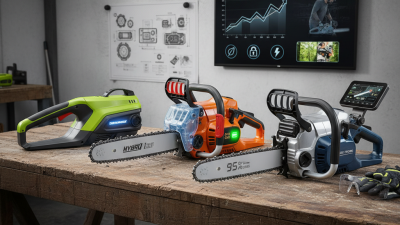
Electric chain saws are quiet and user-friendly. They are perfect for light tasks, like trimming branches. However, they may lack the power for tougher jobs. Gas chain saws, on the other hand, provide more power. They are suitable for cutting down larger trees. Yet, they require more maintenance and can be heavier to handle.
Tips: Always wear the proper safety gear. It protects you from potential accidents. Take time to practice handling the saw. Mastering control can boost your confidence and safety.
Consider battery-powered chain saws. They offer convenience for smaller jobs and minimal maintenance. But their limited battery life can be a downside. Make sure to evaluate your needs carefully. If unsure, renting a variety can help you understand what fits best.
Why Choose the Right Chain Saw for Your Needs? - Understanding Different Types of Chain Saws and Their Uses
| Type of Chain Saw |
Best Uses |
Power Source |
Bar Length |
Weight |
| Gas Chain Saw |
Felling trees, heavy cutting |
Gasoline |
16-20 inches |
10-15 lbs |
| Electric Chain Saw |
Light pruning, firewood cutting |
Electric |
12-16 inches |
7-10 lbs |
| Battery-Powered Chain Saw |
Small jobs, trimming |
Battery |
10-14 inches |
5-8 lbs |
| Pole Chain Saw |
Cutting high branches |
Gas or Electric |
8-12 inches |
8-12 lbs |
Key Factors to Consider When Selecting a Chain Saw
Choosing the right chainsaw involves several key factors. Understanding your specific needs is crucial. A recent industry report highlighted that chainsaw usage varies widely. For homeowners, a lighter model is often ideal for small yard work, while professionals may need heavier-duty equipment for significant tasks.
Power is another vital aspect. Chainsaws can range from 25 cc to 120 cc. For basic trimming, a 25 to 40 cc engine suffices. However, when tackling larger trees, a 50 cc or higher model is recommended. Weight also plays a role; a heavier chainsaw can cause fatigue during extended use. According to recent data, over 60% of users reported discomfort with chainsaws weighing more than 12 pounds after an hour of use.
Safety features cannot be overlooked. Look for chainsaws with safety switches and chain brakes. Research shows that more than 60% of chainsaw accidents involve improper handling or lack of safety gear. Choosing a model with excellent safety ratings can mitigate risks. It’s crucial to invest time in understanding these factors, ensuring you select a chainsaw that meets both your needs and safety standards.
Comparing Gas, Electric, and Battery-Powered Chain Saws
Choosing the right chain saw can significantly impact your efficiency and safety. Gas, electric, and battery-powered chain saws each have their unique advantages. Gas models are known for their power and mobility. They excel in heavy-duty tasks, especially for large trees or tough wood. However, they can be cumbersome and produce emissions. In fact, the EPA reports that gas chain saws emit more pollutants than many other outdoor tools.
Electric chain saws shine in ease of use and less noise. They are perfect for lighter tasks and suburban use. Some can even cut through small to medium trees effectively. The downside? They often require an extension cord, limiting mobility. Battery-powered saws bridge the gap. They offer freedom from cords but generally have less power. Battery technology has advanced, with some offering run times over an hour.
Tips: Consider your typical usage before making a choice. Assess your physical ability as gas saws can be heavy. Always wear proper safety gear regardless of the type. Check for safety features like chain brakes and ensure that the saw fits your skill level. Reflect on your environmental impact when selecting your saw type. Each option has trade-offs that might not meet every need.
Safety Features to Look for in a Chain Saw
When selecting a chain saw, safety features should be a top priority. A chain brake is essential. It stops the chain quickly after kickback, reducing potential injuries. Another critical feature is an automatic oiling system. This keeps the blade lubricated, ensuring smooth operation and minimizing the risk of overheating.
Consider also the weight of the chain saw. A lighter model is easier to handle, especially for prolonged use. Balance is important too. A well-balanced saw can lessen fatigue and improve control. Hand guards can help protect your hands from debris, adding another layer of safety.
Finally, vibration reduction technology can enhance comfort during operation. Excessive vibration can lead to long-term health issues. Choosing a chain saw with these safety features enables a more secure and enjoyable experience. Take your time to evaluate options thoughtfully. Reflect on your own comfort and skill level before making a decision.
Maintenance Tips for Your Chain Saw to Increase Longevity
Maintaining your chain saw is crucial for its longevity. Regular care can enhance performance and safety. To start, always inspect the chain tension before each use. A loose chain can lead to accidents. Tighten the chain as needed, ensuring it moves freely.
Cleaning is another vital step. Remove sawdust and debris from the guide bar and chain after each session. This keeps the chain from getting stuck or damaged. Also, regularly lubricate the chain with proper oil. Insufficient lubrication can cause overheating and wear.
Check the air filter, too. A dirty filter can lead to engine issues. Replace it if it's clogged. Fuel quality matters as well; use fresh gasoline to prevent engine problems. These maintenance tips may seem straightforward but skipping them can lead to costly repairs. Reflecting on your habits can improve your chain saw's lifespan significantly.