Best Chain Saw Purchasing Guide for Global Buyers Today?
A chain saw is an essential tool for many outdoor enthusiasts and professionals. Understanding the features that make one model better than another can be overwhelming. Buyers face tough choices. With numerous brands and specifications, selecting the right chain saw can be daunting.
It’s vital to consider your needs before making a purchase. What tasks do you intend to tackle? From trimming trees to cutting firewood, each use requires different power and durability. Look beyond just the price tag. Consider the long-term value and functionality.
On the surface, chain saws may seem similar. However, their performance varies greatly across models. Research is key to finding a reliable option. This guide will help you navigate your choices. It will break down essential features and considerations. Equip yourself with knowledge to ensure you invest wisely in your next chain saw.
Understanding Different Types of Chainsaws Available on the Market
When exploring the different types of chainsaws available today, it's essential to understand your needs. Chainsaws come in various models, each designed for specific tasks. For example, electric chainsaws are lightweight and ideal for small jobs like trimming branches. They are quieter and easier to maintain than gas-powered models. However, their power is limited, which may hinder more extensive tasks.
Gas-powered chainsaws offer more strength and speed. They're suitable for heavy-duty work, such as felling trees. But they can be heavier and require more upkeep. Users must also be cautious about fuel management and emissions. Safety should always be your priority, as improper handling can lead to accidents.
Battery-powered chainsaws are gaining popularity for their convenience. They provide freedom from cords while still being environmentally friendly. However, their run time may not match gas models. Consider your specific tasks and frequency of use before deciding. Each type of chainsaw has its pros and cons. A misstep in choosing can affect efficiency and safety. It’s worthwhile to assess your skills and previous experience when making such an investment.
Best Chain Saw Purchasing Guide for Global Buyers Today
| Type of Chainsaw |
Power Source |
Bar Length (inches) |
Weight (lbs) |
Ideal Use |
| Gas Chainsaw |
Gasoline |
16-20 |
10-15 |
Heavy-duty cutting |
| Electric Chainsaw |
Electric |
10-16 |
6-12 |
Light household tasks |
| Cordless Chainsaw |
Battery |
10-14 |
5-10 |
Mobility and convenience |
| Pole Chainsaw |
Gasoline or Electric |
8-10 |
7-12 |
Trimming tall branches |
| Mini Chainsaw |
Battery |
6-8 |
3-6 |
Small cuts and pruning |
Key Features to Look for When Buying a Chainsaw
When choosing a chainsaw, several key features are essential for making an informed decision. Power type is crucial; electric chainsaws are quieter and more suited for small tasks, while gas models offer greater power for larger projects. According to industry reports, gas chainsaws provide cutting power of up to 5 horsepower, ideal for heavy-duty use. However, they can be less convenient due to maintenance needs.
Another important aspect is the chain length. Longer chains can tackle larger logs, but they may also be unwieldy for beginners. Data shows that chainsaws with a 16 to 18-inch bar length are versatile for most homeowners. Choosing the right weight balance can also enhance comfort during use. A well-balanced chainsaw reduces fatigue, allowing for extended operation without excessive strain.
Tips: Always wear protective gear, even for small jobs. Testing the chainsaw's ease of use is vital. Read reviews to gauge reliability and performance. Reflect on your needs; a more powerful chainsaw isn't always the best choice for every task. Depending on your experience level, consider starting with a lighter, easier-to-handle model.
Best Chain Saw Features Comparison
This chart compares key features of various chainsaws, providing insights into their power, bar length, weight, chain speed, and operating time. Use this data to make an informed purchasing decision.
Comparing Gas-Powered, Electric, and Battery-Operated Chainsaws
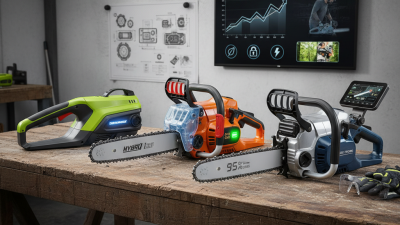
When considering chainsaws, it's essential to evaluate the three main types: gas-powered, electric, and battery-operated. Gas-powered chainsaws are powerful and ideal for heavy-duty tasks. They perform well for large cutting jobs and can operate without cord restrictions. However, they are heavier, require regular maintenance, and produce noise and emissions.
Electric chainsaws offer convenience and ease of use. They're lightweight and quieter, making them user-friendly for home gardens or small projects. The downside? They often have limited power compared to gas models and depend on an electrical outlet. Battery-operated chainsaws provide flexibility. They eliminate cords and are portable, allowing for easy movement. Yet, battery life can be a limiting factor during extensive work sessions.
Choosing the right chainsaw depends on your specific needs. Consider the size of your tasks, your working environment, and how much maintenance you're willing to perform. Think about the noise levels, especially if you're in a residential area. Each type has its strengths and weaknesses, and recognizing them can help in making a better decision.
Essential Safety Tips for Using Chainsaws Effectively
Using a chainsaw requires great care and attention. Before starting, always wear protective gear. This includes gloves, goggles, and helmets. The right equipment reduces the risk of injuries significantly. Chainsaws are powerful tools, and misuse can lead to dangerous situations. Ensuring you have proper training is essential.
Be mindful of your surroundings when operating a chainsaw. Watch for obstacles like branches or uneven terrain. Keep a safe distance from bystanders. It's easy to become focused on the task, but distraction can be hazardous. Regularly inspect your chainsaw for damage. A well-maintained tool will perform better and help prevent accidents.
After use, clean the chainsaw properly. Leftover debris can cause rust and malfunctions. Store it in a dry place, away from children. Reflect on your experience each time you use the tool. Consider what went well and what could be improved. Developing a pattern of reflection can enhance your skills over time. Respect for the tool is critical; it demands attention and responsibility from its user.
Top Chainsaw Brands and Models Recommended for Global Buyers
When considering a chainsaw, it’s essential to know the top brands and models recommended by industry experts.
According to a recent market analysis by Grand View Research, the global chainsaw market size was valued at approximately $3.2 billion in 2022 and is expected to grow significantly.
This growth reflects increasing demand in both residential and commercial sectors, particularly for models known for durability and performance.
Brands renowned for their performance typically offer models with varying power levels and features.
Professional models often boast powerful engines exceeding 60cc, making them suitable for heavy-duty tasks.
In contrast, consumer-grade chainsaws commonly range from 30cc to 50cc, perfect for light to moderate use.
It's vital to assess your needs before making a purchase.
Some models may excel in cutting speed but could be heavier and more cumbersome for casual users.
Tip: Always consider the weight and ergonomics of a chainsaw. A too-heavy model can lead to fatigue during prolonged use.
Another tip is to look for chainsaws with easy-to-use safety features, such as chain brakes and low kickback chains.
Remember, the right chainsaw can dramatically enhance your cutting efficiency, but an ill-suited model can turn a simple task into a burden.
Reflect on your actual requirements and the conditions where you’ll be working; this can lead to a more satisfying purchase experience.