2026 Best Gasoline Chain Saw for Efficient Cutting Solutions?
In the world of outdoor power equipment, the Gasoline Chain Saw holds a prominent place. As of 2023, the global chain saw market is projected to reach $2.28 billion, driven by increasing demand for efficient cutting solutions. Homeowners and professionals alike seek tools that can handle tough tasks while being easy to operate. However, the choice of the right gasoline chain saw can be overwhelming.
Performance and reliability are key. Many users report difficulties in handling certain models. Weight, vibration, and noise levels can affect the user experience. According to industry experts, a lightweight design can enhance maneuverability and reduce fatigue. Reliable starting mechanisms are also crucial, as frustration during startup can lead to decreased productivity.
An informed decision relies on understanding specific needs. Various models cater to different applications, from tree trimming to heavy-duty logging. It’s important to consider features like engine size and blade length. Researching the brand's reputation adds another layer of confidence to your choice. Finding the best gasoline chain saw requires balancing performance, usability, and durability. The right choice can make all the difference in achieving efficient cutting solutions for all tasks.
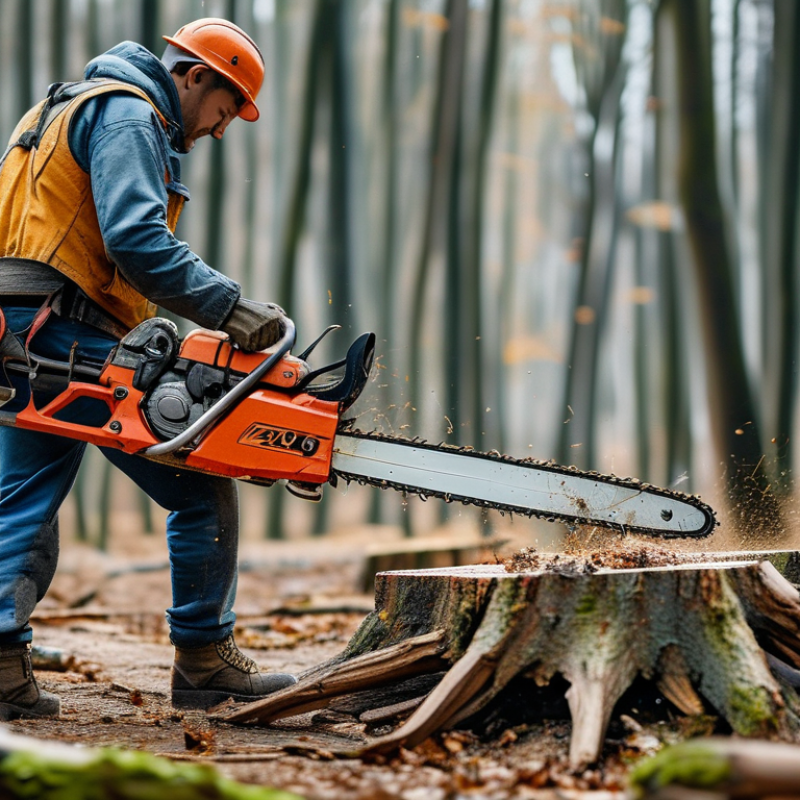
Overview of Gasoline Chain Saws and Their Applications
Gasoline chain saws are vital tools for various applications. They excel in heavy-duty tasks such as tree felling, pruning, and cutting firewood. Designed for efficiency, these tools provide mobility and power. Unlike electric models, gasoline chain saws can operate in remote areas. They are particularly useful in forestry, landscaping, and construction. However, users should be aware of safety measures.
Regular maintenance is crucial for optimal performance. Check the chain tension and sharpen the blades frequently. A dull chain may lead to accidents and inefficiency. Fuel quality also affects the engine's performance. Always use fresh, high-quality fuel to prevent starting issues.
Most gasoline chain saws come with specific manuals. Understanding these guidelines improves user experience. Many operators overlook important features. Knowing how to use all controls enhances safety. Each model may have unique functionalities that require attention. Stay aware of your surroundings while operating. This awareness can prevent accidents and improve productivity. Gasoline chain saws offer great benefits when used wisely.
Key Features to Look for in High-Performance Gasoline Chain Saws
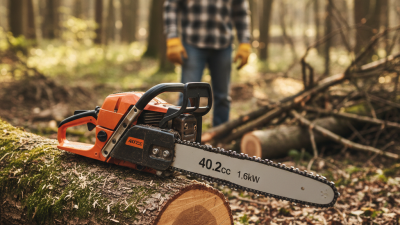
When choosing a high-performance gasoline chain saw, several key features should guide your decision. Engine power is critical, typically measured in cubic centimeters (cc). Experts recommend selecting models with at least 40 cc for efficient cutting. This level of power allows for better handling of larger trees and thicker branches.
Weight also plays a significant role in usability. Lighter models, under 10 pounds, offer better maneuverability, reducing fatigue during extended use. Comfortable grips and vibration reduction systems are crucial as well, especially during longer cutting sessions. Research shows that reducing vibrations can lower muscle strain, allowing for more precise cuts.
Additionally, safety features should not be overlooked. Automatic chain brakes and easy-access air filters enhance operational safety and maintenance efficiency. According to industry reports, over 30% of chain saw accidents occur due to improper handling or maintenance issues. Choosing a model with these features can help mitigate risks, ensuring a safer cutting experience. As you refine your selection, keep in mind that not all features will be equally important for your specific needs. Reflecting on your cutting tasks can provide valuable insights into which aspects matter most.
Comparison of Key Features in High-Performance Gasoline Chain Saws (2026)
Top Brands and Models for Efficient Cutting in 2026
The demand for gasoline chain saws continues to grow, driven by the increasing need for efficient cutting tools in landscaping and forestry. According to a report by Market Research Future, the global chainsaw market is poised to reach $1.3 billion by 2026, growing at a CAGR of 5.4% during the forecast period. This growth reflects the rising popularity of efficient cutting solutions among both professionals and hobbyists.
When choosing a chain saw, various brands demonstrate superior performance and reliability. The 2026 landscape shows that effective models prioritize features such as lightweight design, ease of use, and powerful engines. Customers often seek saws that balance power and precision, but not every model meets these standards. Many users report struggles with chain tensioning and fuel efficiency, highlighting the need for better user education and product refinement.
Cutting-edge technology is also influencing the market. Innovations in engine design and ergonomic handling are reshaping user experiences. However, technology can be a double-edged sword. Some users find sophisticated features overwhelming, leading to improper usage. Before purchasing, potential buyers should consider their experience level and specific cutting needs to make informed decisions. Investing time to research options pays off, ensuring that tools chosen meet both efficiency and usability expectations.
Maintenance Tips for Prolonging the Life of Your Chain Saw
Maintaining a gasoline chain saw is crucial for efficient cutting and longevity. Regular maintenance can extend the lifespan of your saw by several years. According to industry reports, a well-maintained chain saw can outperform a neglected one by up to 30%. This is essential for both professional landscapers and hobbyists who depend on reliable equipment.
Start with routine checks. Inspect the chain tension regularly. A loose chain can slip, causing subpar performance. Keeping the chain sharp is equally important. A dull chain can lead to overworking the engine and increased fuel consumption. Studies show that a sharp chain reduces cutting time significantly, which can save users both time and money.
Don't overlook the fuel system. Using fresh fuel minimizes the risk of clogging. Regularly clean the air filter to ensure proper airflow. Neglecting the air filter can lead to engine wear. Users often find that minor investments in maintenance yield significant returns over time. These practices not only enhance performance but can prevent costly repairs down the line.
User Safety Guidelines for Operating Gasoline Chain Saws
Operating a gasoline chain saw comes with inherent risks, making user safety a top priority. Data from the Consumer Product Safety Commission indicates that approximately 36,000 people visit the emergency room each year due to chain saw accidents. Proper safety measures can significantly reduce this number. Wearing a helmet, eye protection, and gloves is essential. These items protect against debris and minimize injury risk during operation.
Prior to using the chain saw, a proper inspection is crucial. Check the chain tension, fuel levels, and overall condition. Nearly 70% of chain saw injuries occur when users fail to maintain their tools adequately. Ensuring that the chain is sharp enhances cutting efficiency and reduces the likelihood of kickback incidents. A recent industry report emphasized that approximately 40% of accidents are attributable to equipment malfunction.
Training is another vital component of safe operation. Understanding the correct stance can prevent falls. A survey found that only 30% of chain saw users receive formal training. This gap in education can lead to unintentional mishaps. Also, fatigue can impair judgment, increasing the chance of injury. It is important to take breaks to maintain focus and awareness. Investing time in learning proper techniques can enhance safety significantly and lead to more successful outcomes in chain saw operations.