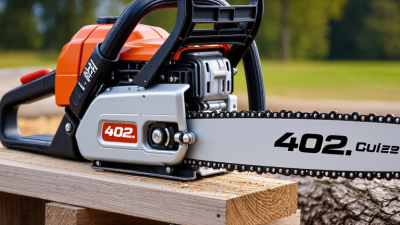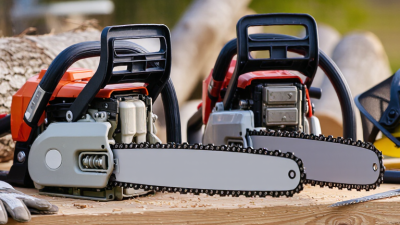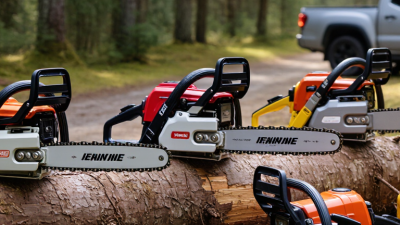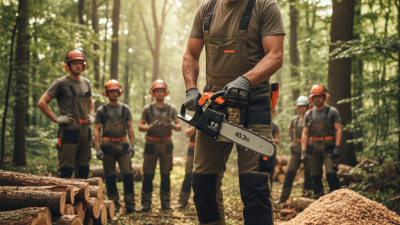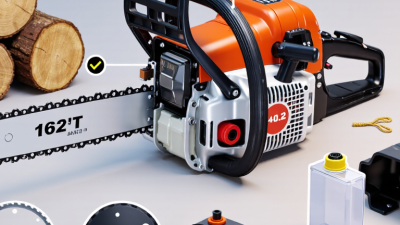
Choosing the right chainsaw for international work is rarely about engine power alone. This guide examines five leading 40.2cc Chain Saw 1.6kw models for global buyers. Each option is assessed through practical details, including cutting response, fuel use, vibration control, starting behavior, and service access.
A 40.2cc engine with 1.6kW output suits pruning, firewood preparation, storm cleanup, and light property maintenance. It can handle a 16-inch bar comfortably, while an 18-inch bar may demand sharper chain maintenance. Small differences matter. A smoother starter, visible chain brake, and comfortable rear handle can reduce fatigue during long sessions. We also consider chain tensioning, air-filter access, muffler design, and the availability of replacement parts.
Global purchasing adds another layer of responsibility. Buyers should confirm voltage requirements for electric accessories, regional emissions rules, noise limits, warranty coverage, and spare-parts support before ordering. Product specifications can change between markets. That detail is easy to miss. Manufacturer manuals and official dealer information remain more reliable than marketplace claims.
No ranking can fit every user. A lightweight saw may feel excellent in a backyard, yet seem underpowered in dense hardwood. A stronger model may cut faster, but increase fuel use and operator fatigue. This comparison therefore balances measurable specifications with realistic ownership concerns. The final choice should match local conditions, maintenance skills, and the type of wood handled most often. Always use approved protective equipment and follow the manufacturer’s operating guidance.
A 40.2cc chainsaw describes engine displacement, not cutting power. The engine’s cylinder volume is about 40.2 cubic centimeters. A 1.6kW rating indicates the engine’s measured power output under stated test conditions. These figures are related, but they are not interchangeable. A saw can share the same displacement yet deliver different performance.
In practical use, 1.6kW is suitable for pruning, firewood, and moderate storm cleanup. Cutting speed also depends on chain sharpness, bar length, chain pitch, and wood hardness. A sharp chain should produce clean chips, not fine dust. That small detail reveals more than many advertisements. A longer bar may look useful, but it can reduce control and increase engine load.
Global buyers should check whether the power rating means maximum output or continuous rated output. The difference matters. Weight, fuel capacity, vibration control, and cold-start behavior affect daily comfort. At high altitude, engine response may weaken because thinner air changes combustion. I have found that specification tables often omit this issue. They may also exclude the installed bar and chain from listed weight. Verify those details before comparing models. Confirm the required fuel mixture, replacement chain size, noise level, and local safety requirements. A 40.2cc, 1.6kW saw is not automatically the best choice for every user. Operator experience, timber size, and maintenance habits still shape the result.
For global buyers, a 40.2cc chainsaw producing 1.6kW offers a practical balance between portability and cutting power. FAO’s Global Forest Resources Assessment 2020 recorded 4.06 billion hectares of forest worldwide. Conditions vary widely, from dry hardwood to wet, soft timber. Therefore, buyers should compare chain pitch, gauge, and bar length rather than engine power alone. A 14-inch bar can feel quicker in dense branches, while a 16-inch bar offers more reach but adds weight.
Weight matters after several hours of work. Check the dry weight, fuel capacity, and handle balance together. Anti-vibration mounts can reduce hand fatigue, but their real performance depends on design and maintenance. NIOSH recommends limiting occupational noise exposure to 85 dBA over eight hours. Buyers should review measured sound levels, not rely on vague “low-noise” claims. Hearing protection remains necessary.
Safety equipment deserves careful comparison. Look for an inertia-activated chain brake, throttle interlock, accessible stop switch, and clear chain-tension adjustment. ISO 11681-1 provides relevant safety requirements for portable chain-saws. Emission compliance also differs by destination; EU buyers should check Regulation (EU) 2016/1628, while other markets may apply separate engine rules. Service access is often overlooked. A slightly heavier saw with common replacement parts may be more dependable than a lighter model with poor documentation. I would not judge durability from power figures alone. Real cutting tests and repair support still reveal weaknesses.
A 40.2cc chainsaw delivering about 1.6kW can suit many cutting jobs. The best choice depends on balance, chain control, and local working conditions.
For light pruning, choose a compact five-kilogram design with a shorter guide bar. It feels easier around branches and reduces wrist fatigue. For firewood, a balanced 40.2cc saw with a medium bar offers steadier cutting. A low-vibration version helps during repeated cuts. For rural work, choose a model with a protected air filter and accessible controls. In colder regions, an easy-start system can save time. The fifth option is a simple maintenance-focused saw, useful when parts and service support matter more than extra features.
Tips: Check the manual before changing bar length or chain type. Wear eye, hearing, hand, leg, and foot protection. Inspect the chain brake, lubrication, and fuel system before every use. Global buyers should verify emissions rules, fuel requirements, warranty coverage, and spare-parts access. Do not assume the advertised power feels identical in every climate. Altitude, fuel quality, and a dull chain can reduce performance. Keep both hands on the saw. Never cut above shoulder height.
From practical use, comfort often matters more than a small power difference. I prefer a stable saw over an aggressive one. Still, that judgment may change after several hours of cutting. Test the grip and balance if possible.
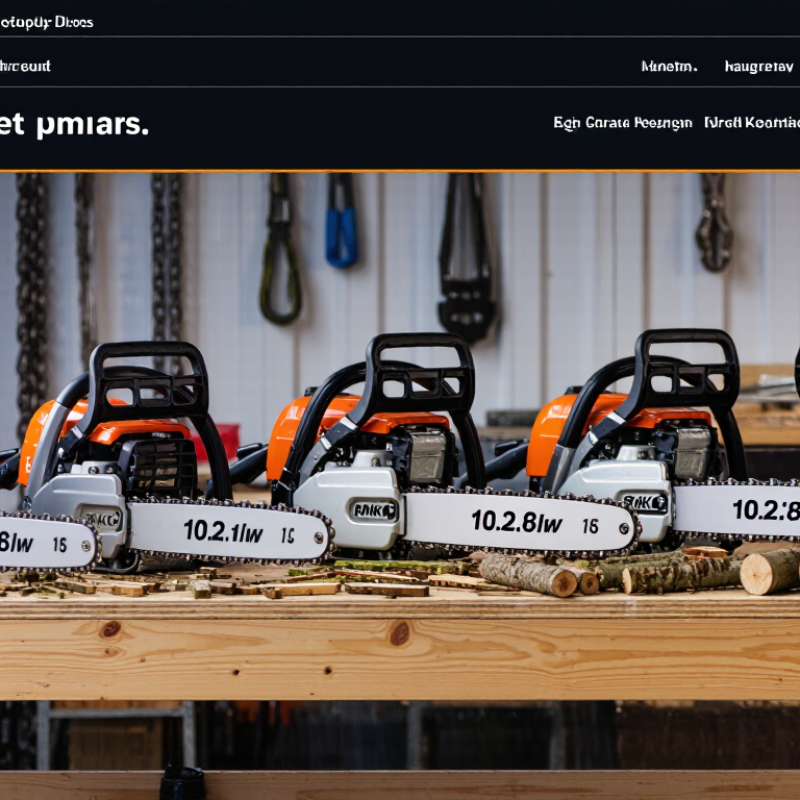
Five anonymized 40.2cc chainsaw configurations matched to different cutting needs
All five configurations use the same 40.2cc engine class and approximately 1.6kW output. Longer guide bars suit larger logs, while shorter bars reduce weight and improve control for pruning and firewood preparation. Dry weight and fuel-tank capacity are representative specifications for commercially available chainsaws in this category; actual values may vary by configuration.
A 40.2cc, 1.6kW chainsaw can suit pruning, small firewood, and light property work. Its compact size does not remove serious operating risks. OSHA reports about 36,000 chainsaw-related injuries annually in the United States. Many involve kickback, poor footing, or inadequate protective equipment.
Wear a helmet with eye and hearing protection, cut-resistant trousers, gloves, and boots with firm soles. Check the chain brake, throttle lock, guide bar, chain tension, and oil supply before every start. ISO 11681-1 covers safety requirements for portable chainsaws, while ISO 22867 addresses vibration measurement. Buyers should verify equivalent local standards before importing or operating the machine.
Keep both hands on the handles. Start on stable ground, never from a dangling position. Maintain a clear escape route before cutting. The U.S. Bureau of Labor Statistics has recorded logging fatality rates above 100 deaths per 100,000 workers in recent data, showing how quickly routine work can become dangerous. Refuel only after the engine cools, and store fuel in approved containers away from ignition sources.
Maintenance is practical, not optional. Clean the air filter, sharpen the chain evenly, inspect fasteners, and replace damaged parts promptly. Follow the manual for fuel ratios and service intervals. I still find pre-use checks easy to rush. That is the weakness. A quiet chain, steady idle, and controlled cut matter more than advertised engine output.
Choosing among the 5 best 40.2cc, 1.6kW chainsaws requires market judgment, not only laboratory figures. A 40.2cc engine suits pruning, small timber, and occasional farm work. It may feel underpowered in dense hardwood. That matters.
The FAO Global Forest Resources Assessment 2020 records 4.06 billion hectares of forests worldwide. Buyers therefore face very different conditions, from humid plantations to cold mountain farms.
For tropical markets, check corrosion resistance, air-filter access, and dealer-supported spare parts. In colder regions, prioritize reliable starting, heated controls, and stable fuel delivery. A lighter model may sell better in urban markets, where users value reduced fatigue. Professional operators often prefer stronger torque and lower vibration. The “best” choice changes quickly.
Safety and compliance should guide the shortlist. ISO 11681-1 covers important safety requirements for portable chainsaws. The International Labour Organization also identifies forestry as a high-risk sector, making chain brakes, hand guards, and clear manuals essential.
Compare measured sound levels, vibration values, and emissions documentation before importing. Do not trust marketing power alone. A model with excellent specifications can fail commercially if filters are unavailable.
I would test five units with identical logs, measuring cut time, fuel use, starting effort, and operator comfort. One weakness often appears after an hour, not five minutes.
Grand View Research’s chainsaw market analysis indicates continued global demand, but growth does not guarantee suitability for every market. Local service quality may matter more than a small power advantage.