How to Use a Stihl Chainsaw Safely and Effectively?
Using a Stihl Chainsaw can be a rewarding experience. However, it requires a keen understanding of safety and effectiveness. Many people overlook this crucial aspect. Chainsaws are powerful tools meant for cutting wood, but they can cause injuries if not handled properly.
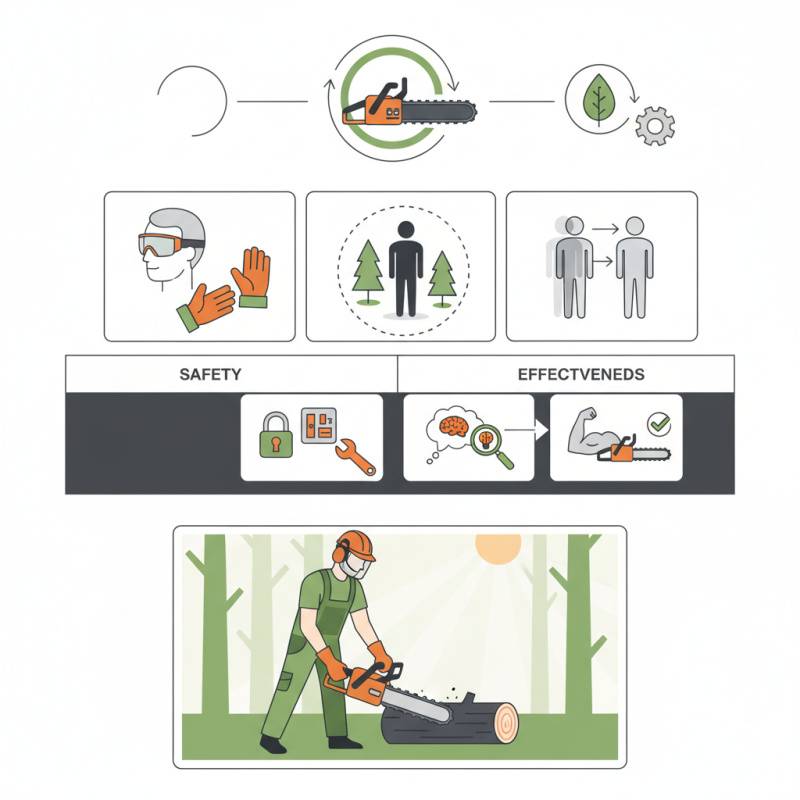
Before operating a Stihl Chainsaw, ensure you wear the right gear. Safety goggles and gloves are essential. You may think you're careful, but accidents can happen. Awareness of your surroundings is key. Familiarize yourself with the controls and maintenance steps to improve efficiency and reduce risks.
Remember, even experienced users make mistakes. A momentary lapse in attention can lead to miscalculations. Regular practice can enhance your skills. It’s important to reflect on your technique often. A well-informed operator is more effective. Keep learning about safe usage and maintenance. With the right approach, a Stihl Chainsaw can safely contribute to your projects.
Essential Safety Gear for Chainsaw Users
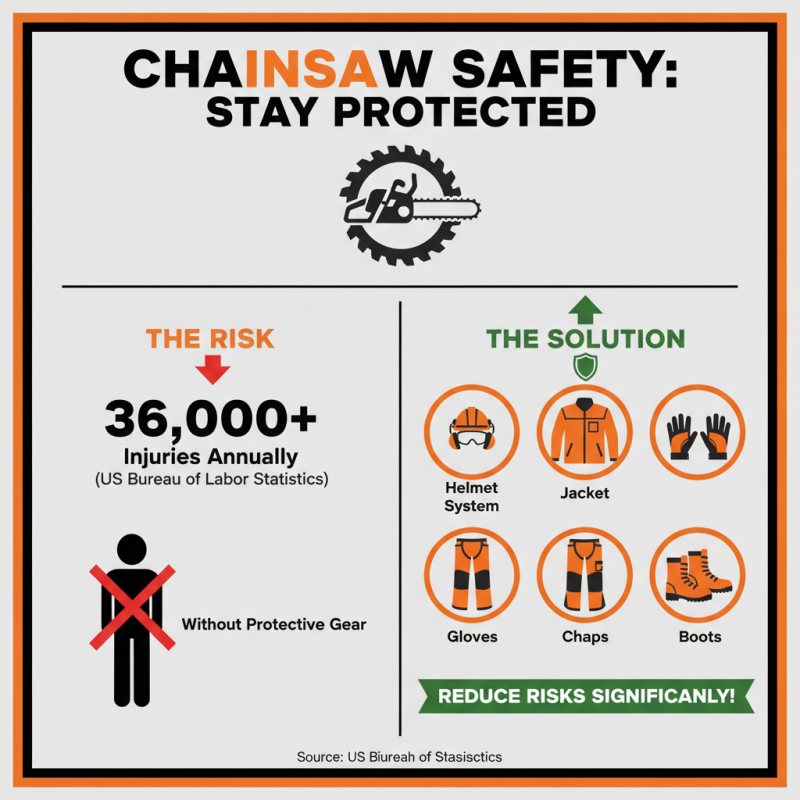
Using a chainsaw requires proper safety gear. Research from the U.S. Bureau of Labor Statistics shows that over 36,000 injuries occur from chainsaw usage annually. Protective equipment can significantly reduce these risks.
Essential gear includes a hard hat, eye protection, and hearing protection. A hard hat shields your head from falling debris. Safety goggles protect your eyes from flying wood chips. Studies indicate that wearing eye protection decreases injury rates by up to 90%. Hearing protection is vital, as chainsaws can produce noise levels above 100 decibels.
Gloves and durable pants are equally important. Chainsaw gloves provide grip and protect your hands from cuts. Specialized chaps guard your legs from accidental saw contact. It’s reported that 70% of chainsaw injuries involve the legs. Consider high-visibility clothing. This helps keep you visible to others, especially in wooded areas.
Tips: Always inspect your protective gear before use. Ensure your goggles are scratch-free. Replace worn-out protective clothing. Regular checks increase safety. Also, don’t overlook chainsaw boots with cut-resistant features. Wear them consistently. They can save you from serious injuries.
Understanding Your Stihl Chainsaw Model and Features
When you decide to use a chainsaw, knowing your specific model is crucial. Each model has different features designed for various tasks. Understanding these features can enhance both safety and effectiveness. For example, some chainsaws have automatic chain oiling systems, while others require manual oiling. If you overlook these details, you might find yourself with a chain that’s either too dry or too oily.
Another important aspect is the weight and balance of your chainsaw. A lighter chainsaw might be easier to handle, but it could lack the power needed for tough cuts. Conversely, a heavier model might be too cumbersome for some users. Your comfort level and cutting needs dictate the best choice. Take the time to practice with your model in a safe environment. It’s easy to misjudge the tool’s handling when you're unfamiliar with it.
Always read the user manual carefully. Many users underestimate this step. Manuals contain vital information on maintenance and safety features. Ignoring them can lead to accidents or ineffective usage. Regularly check your chainsaw for wear and tear, particularly the chain and blade. Missing these details might lead to dangerous situations while working.
How to Use a Stihl Chainsaw Safely and Effectively?
| Feature |
Description |
Safety Tip |
| Chain Brake |
Automatically stops the chain in case of kickback |
Always engage the chain brake when starting the saw |
| Anti-Vibration System |
Reduces vibration for increased comfort and control |
Ensure anti-vibration mounts are in good condition |
| Chain Tensioning System |
Easily adjusts the tension of the chain without tools |
Check chain tension before each use |
| Chain Lubrication |
Automatic system to keep the chain lubricated |
Always refill oil tank before operation |
| Guide Bar Length |
Available in various lengths for different cutting tasks |
Choose the right bar length for the job |
Pre-Operational Checks and Maintenance Procedures
Before operating a chainsaw, perform essential checks. Inspect the chain tension. It should be snug, not too tight. A loose chain can slip off and cause injury. Check the sharpness of the chain, too. A dull chain requires extra effort and increases the risk of accidents. Ensure all safety features, like the chain brake, are functional.
Regular maintenance enhances performance and safety. Clean the air filter regularly to ensure proper airflow. A clogged filter can lead to engine issues. Inspect the fuel system for leaks. Fuel should be fresh and stored responsibly. Remember, operating without proper maintenance can lead to unexpected failure, and possible injury.
When preparing to use the chainsaw, wear protective gear. Eye protection is non-negotiable. Sturdy gloves help grip the tool better. Additionally, sometimes operators overlook their surroundings. Be aware of nearby obstacles or hazards. Taking these checks seriously can prevent dangerous situations. Reflect on your preparation; efficient operation starts long before you cut wood.
Proper Cutting Techniques and Angle Tips
Using proper cutting techniques with a chainsaw is crucial for safety and efficiency. The angle at which you cut significantly affects both the quality of your work and your risk of injury. Experts suggest maintaining a cutting angle of about 30-45 degrees for optimal results. This angle allows for smoother cuts and reduces the chance of kickback—a common accident that leads to serious injuries. According to a study by the National Safety Council, improper cutting techniques contribute to 50% of chainsaw-related accidents.
Always position your body away from the cutting line. This practice helps in avoiding severe injuries if the chainsaw were to bind or kickback unexpectedly. Using both hands for grip and maintaining a firm stance is critical. Particularly, having your knees slightly bent can enhance stability. Remember, even experienced users can face challenges. Many accidents arise from sudden distractions or fatigue. A report by the Occupational Safety and Health Administration found that over 30% of chainsaw injuries happen when users feel rushed or distracted.
Practicing proper cutting techniques can significantly improve your experience. Ensure your chainsaw chain is sharp; a dull chain creates more friction, leading to potential mishaps. Always keep a safe distance from others when operating. Chainsaws have the potential for serious accidents, and awareness is key. Inadequate attention, a common pitfall, leads to mistakes. Reflect on your approach and always prioritize safety.
Troubleshooting Common Chainsaw Issues During Use
Chainsaws are powerful tools that can make cutting tasks easier. However, they can also present various challenges during use. One common issue is difficulty starting the chainsaw. This can result from fuel problems, ignition issues, or a clogged filter. A report by the American National Standards Institute indicates that improper maintenance accounts for 37% of all chainsaw-related issues. Ensuring your chainsaw is well-maintained can save time and effort.
Another frequent problem is the chain tension. It is crucial to check this regularly. A loose chain can lead to kickback situations, increasing the risk of injury. Research shows that incidents involving loose chains are a significant cause of accidents in the field. Keeping the chain properly tightened should be a priority, even if it seems tedious. Pay attention to the sounds your chainsaw makes. Any unusual noise could indicate a deeper issue.
Overheating can also occur during prolonged use. Signs include smoke or a burning smell. Operating a chainsaw under these conditions can lead to mechanical failure. Many users neglect to take breaks, pushing their equipment beyond its limits. This not only affects the tool's performance but also increases safety risks. Always listen to your chainsaw and respect its needs.