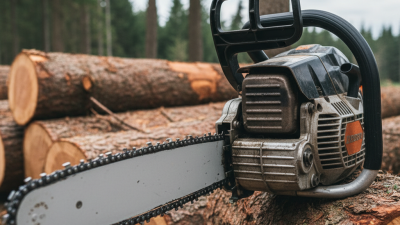
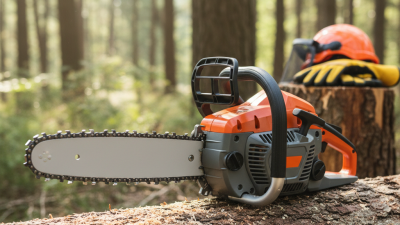
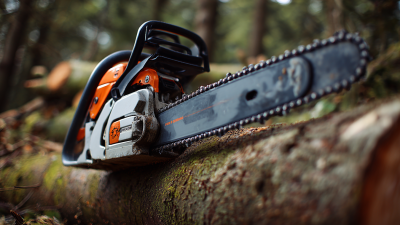
The Ultimate Guide to 58cc Chain Saws What You Need to Know?
When it comes to tackling outdoor projects, choosing the right tool is essential. A 58cc Chain Saw stands out as a powerful option for both amateur and seasoned users. This saw combines strength and efficiency, making it suitable for various tasks like cutting firewood, trimming trees, or clearing brush. It’s important to understand its specs and features before making a purchase.
For many, owning a 58cc Chain Saw is not just about convenience. It represents an opportunity for empowerment in yard maintenance. Imagine cutting through tough branches effortlessly or preparing your firewood for the winter. Yet, the learning curve can be daunting. The saw’s weight and power require a thoughtful approach to safety and technique.
In this guide, we will explore everything you need to know about the 58cc Chain Saw. We will delve into performance characteristics, maintenance tips, and potential pitfalls. Whether you are a novice or a pro, understanding these details is crucial. A chain saw holds promise, but it demands respect and knowledge to use effectively.
Understanding 58cc Chain Saws: Key Features and Specifications
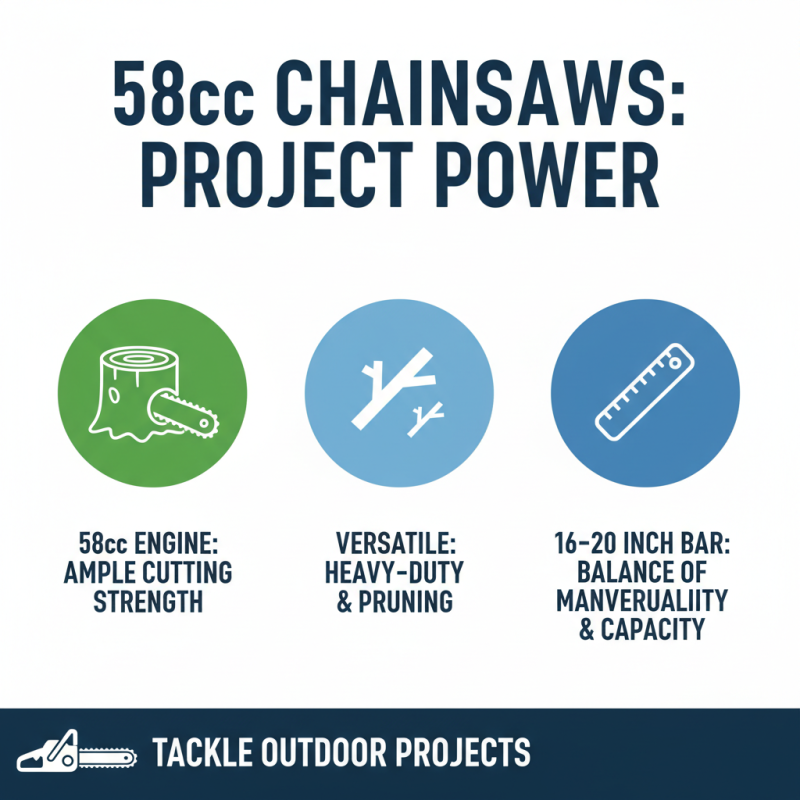
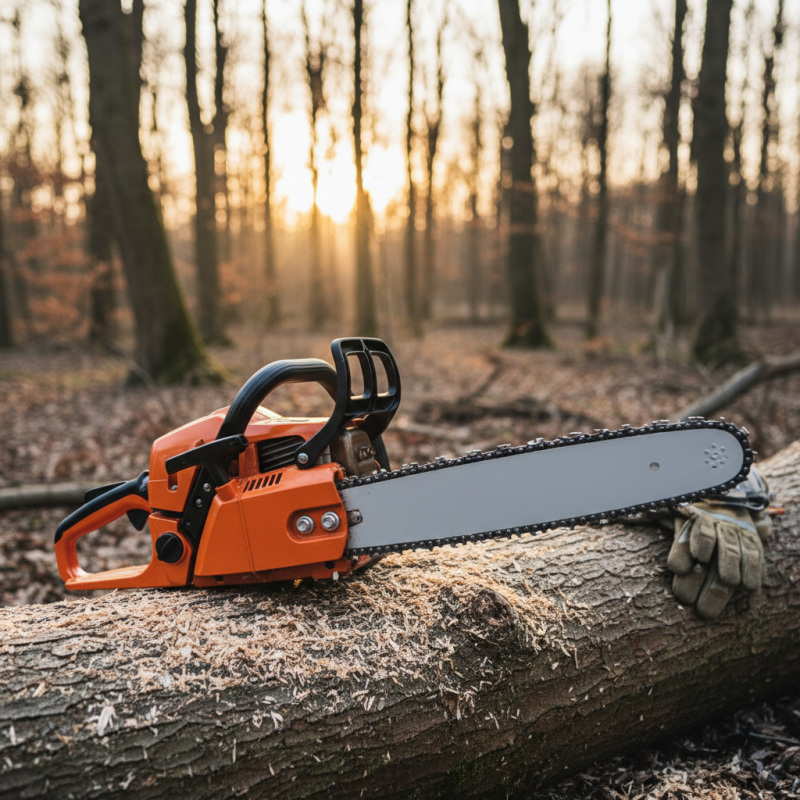
Understanding 58cc chain saws is essential for anyone looking to tackle outdoor projects. These powerful tools have a 58cc engine, which provides ample cutting strength. They are versatile, suitable for both heavy-duty tasks and light pruning. Many models feature a 16 to 20-inch bar length. This range strikes a balance between maneuverability and cutting capacity.
When examining key specifications, weight and ergonomics matter. A typical 58cc chain saw weighs around 10 to 14 pounds. This weight can impact fatigue during extended use. Look for models with comfort grips and anti-vibration technology. These features enhance usability and minimize strain.
In terms of performance, fuel efficiency is crucial. Some chain saws consume more fuel than others, affecting your work time. Blade types also vary. Options like low-kickback chains enhance safety but can be slower. Finding the best combination of features for your needs requires careful consideration. Each choice has trade-offs, and it’s necessary to reflect on what you prioritize most.
Performance Metrics: Power Output, RPM, and Cutting Efficiency in 58cc Models
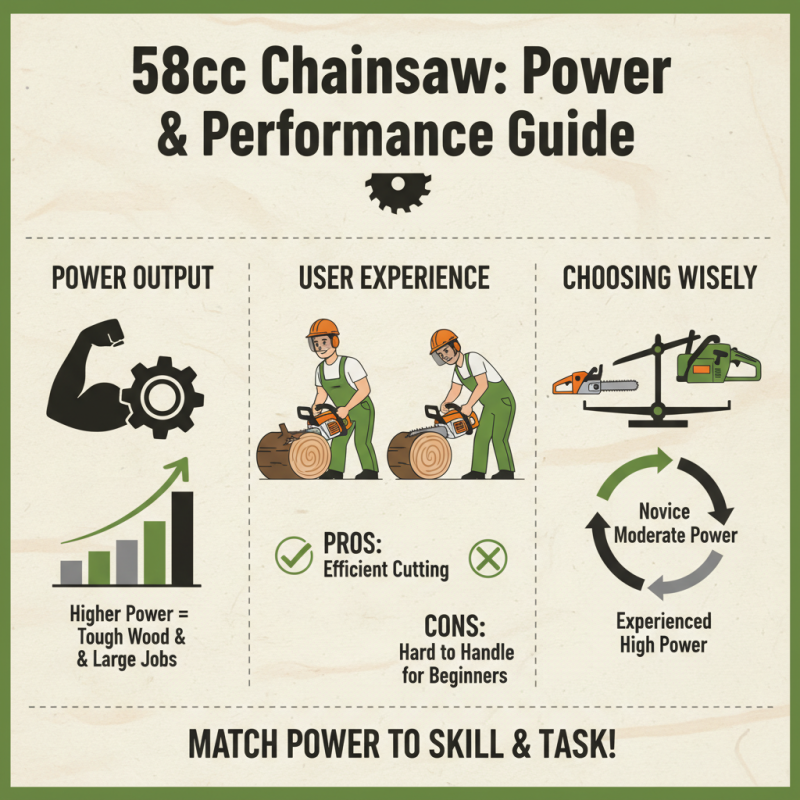
When choosing a 58cc chain saw, understanding key performance metrics is essential. Power output indicates the saw's ability to handle various cutting tasks. A high power output translates to better performance in tough wood types and larger diameters. However, too much power can be overwhelming for novice users, leading to poor handling.
RPM, or revolutions per minute, is another crucial factor. A higher RPM often means faster cutting. However, this can also result in reduced control and precision. Users need to balance speed with the quality of cuts. Slower RPM can enhance accuracy, particularly for detailed work. Choosing the right RPM level depends on the type of cutting and the user's skill level.
Cutting efficiency also plays a significant role in performance. It measures how effectively a chain saw can cut through material. Factors such as chain sharpness and guide bar length affect efficiency. A dull chain reduces cutting speed and increases effort. Reflection on personal needs and skill can guide better choices. A user’s experience level can greatly influence how these metrics are perceived.
Safety Considerations: Protective Gear and Operating Guidelines for Chain Saws
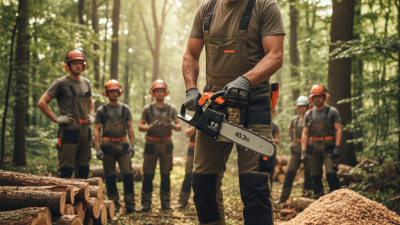
When operating a 58cc chain saw, safety should be your top priority. Protective gear is essential. This includes safety goggles, gloves, and sturdy boots. A hard hat is also important to shield your head from falling debris. Wearing chaps can protect your legs from chainsaw cuts. Each piece is a crucial barrier between you and potential injury.
Before starting, ensure you know the operating guidelines. Proper handling and awareness of your surroundings can prevent accidents. Always maintain a firm grip on the saw. Be prepared for kickback when cutting. It can really catch you off guard. Practice with your equipment in a safe area first. Consider re-evaluating your technique after each use. Mistakes happen, and it’s critical to learn from them.
Taking these safety measures seriously is vital. Failing to wear the right gear can lead to serious injuries. Reflect on past experiences, both good and bad. Ask yourself if you could do better next time. Each cutting session should be approached with caution. Ignoring safety can have lasting consequences. Always be aware and stay safe!
The Ultimate Guide to 58cc Chain Saws - Safety Considerations
Maintenance Essentials: How to Care for Your 58cc Chain Saw for Longevity
Caring for your 58cc chain saw is essential for its longevity. Regular maintenance keeps it running smoothly and ensures safety during use. Start by checking the bar and chain for wear. A dull chain can lead to accidents and inefficiencies. Sharpen it periodically, but don't overdo it. A too-sharp chain can cause kickback.
Fuel and oil are just as important. Use the right mix of oil and gas to keep the engine running. Old fuel can cause starting issues and damage the engine. Change the filter regularly to prevent dirt from affecting performance. Pay attention to any unusual sounds during operation. These might indicate deeper issues that need addressing.
Storage conditions matter too. Avoid leaving your chain saw in damp places. Clean it after each use to remove sap and debris. A clean saw is easier to work with and lasts longer. An overlooked task can lead to regrets. Prioritize maintaining your chain saw, or face potential failure during critical moments. Stay diligent and attentive.
Comparative Analysis: 58cc Chain Saws vs. Other Engine Sizes in the Market
When comparing 58cc chain saws to other engine sizes, several factors come into play. 58cc models sit in the middle range, offering a balance between power and weight. They are suitable for most homeowners and professionals. Smaller engines may struggle with larger cuts but provide easier handling. On the other hand, larger engines deliver more power but can be cumbersome for extended use.
Consider your cutting tasks. If you’re often tackling thick trees or heavy-duty jobs, a 58cc model will serve you well. However, if you only need it occasionally for light work, a smaller engine could be more practical. Assess how often you will use the saw before making a choice.
Tips: Always prioritize safety gear while using these machines. A simple helmet and gloves can prevent injuries. Also, ensure regular maintenance to keep the engine performing optimally. Be aware that heavier models may lead to fatigue faster. If you find yourself struggling with a saw's weight, it might be worth revisiting your choice.
The Ultimate Guide to 58cc Chain Saws
| Engine Size (cc) |
Power Output (hp) |
Weight (lbs) |
Bar Length (inches) |
Cutting Capacity (inches) |
Fuel Efficiency (mpg) |
| 58cc |
3.5 hp |
12 lbs |
18 inches |
16 inches |
30 mpg |
| 45cc |
2.5 hp |
10 lbs |
16 inches |
14 inches |
35 mpg |
| 62cc |
4.0 hp |
13 lbs |
20 inches |
18 inches |
28 mpg |
| 72cc |
5.0 hp |
15 lbs |
24 inches |
22 inches |
25 mpg |