How to Safely Use a Chain Saw for Your Landscaping Needs?
Using a chain saw for landscaping can be both rewarding and risky. Expert arborist John Smith emphasizes, "Safety should always come first when handling a chain saw." His advice highlights the essence of responsible tool usage. Proper techniques and precautions can minimize accidents and enhance efficiency.
Starting with the basics, understanding how to handle a chain saw is crucial. Wearing protective gear is essential. This includes gloves, goggles, and sturdy boots. A chain saw, though efficient, demands respect and attention. Even experienced users can face unexpected challenges. For instance, miscalculation in cutting direction can lead to accidents.
Moreover, regular maintenance of your chain saw cannot be overlooked. A dull blade can cause fatigue and increase the risk of slips. Engaging in frequent safety checks can help prevent mishaps. Reflecting on past experiences can aid in improving proficiency. Being aware of one's limitations and seeking training can further boost confidence and safety in your landscaping endeavors.
Selecting the Right Chainsaw for Your Landscaping Projects
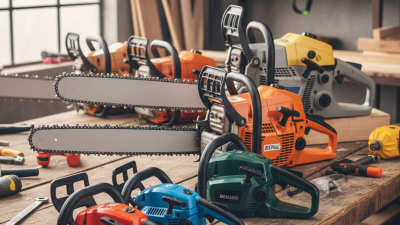
When selecting the right chainsaw for landscaping projects, it's essential to assess the type of work you plan to undertake. According to a report from the American Society of Landscape Architects, nearly 45% of landscaping professionals recommend considering the size of the trees and shrubs being worked on. A lightweight chainsaw is ideal for small branches and shrubs, while a heavier model may be necessary for larger trees. Balance and weight are crucial. A chainsaw that is too heavy can lead to fatigue and affect precision during cuts.
In addition, safety features play a vital role in your chainsaw selection. The Occupational Safety and Health Administration (OSHA) states that chainsaws can be hazardous without proper handling. Ensure your chainsaw has features like a chain brake and low kickback bars. These features minimize risks of accidents. Remember, even the most skilled operators can face challenges. Consider local regulations too. Some regions require specific certifications for chainsaw use, particularly in tree removal or heavy-duty yard work. Always stay informed and prepared.
Essential Safety Gear for Using a Chainsaw
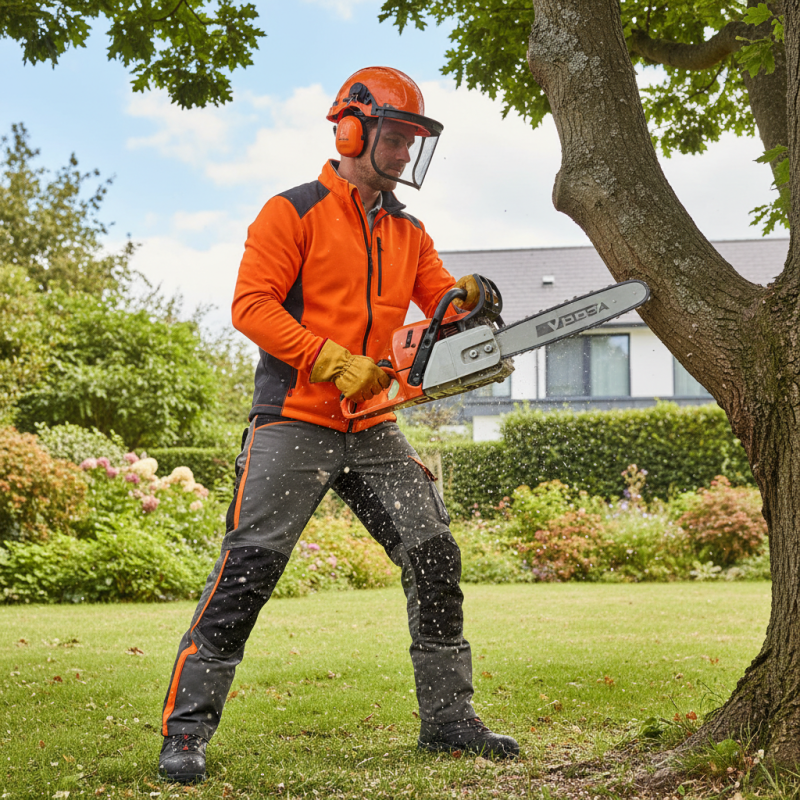
When using a chainsaw, essential safety gear is paramount. The right equipment can significantly reduce injury risk. According to the U.S. Department of Labor, chainsaw accidents result in thousands of injuries annually. Protective gear includes chainsaw chaps, gloves, helmets, and eye protection. Each piece is designed to safeguard specific body parts against cuts and flying debris.
Remember, it’s not just about wearing gear. Proper fit and comfort matter. Gear that does not fit well can distract you and diminish its protective qualities. For instance, chainsaw chaps should cover your legs entirely and fit snugly. A helmet with a face shield offers protection from falling branches and debris. The right gloves should allow dexterity while providing grip and cut protection.
Tips: Check your gear before use. Look for wear and tear. Replace any damaged items immediately. Pay attention to visibility during work. Choose bright-colored gear to increase visibility, especially in wooded areas. Always keep equipment maintenance in mind; a well-maintained chainsaw is less likely to cause accidents. Authentic safety is not just about the tools but also how you operate them.
Preparing Your Work Area for Chainsaw Operation
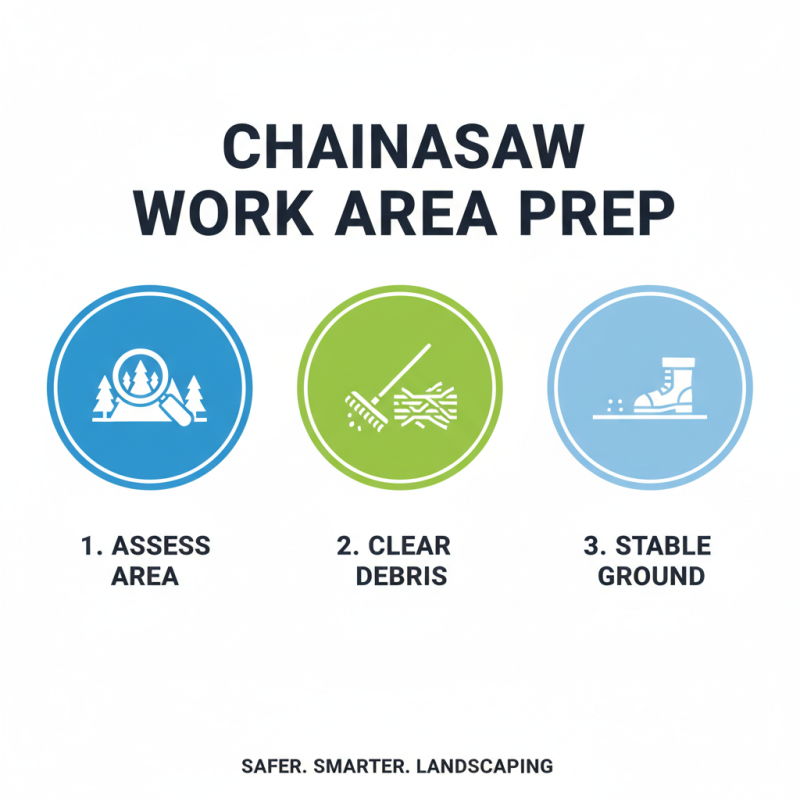
Preparing your work area for chainsaw operation is crucial for a safe and efficient landscaping project. Start by assessing the area where you'll be working. Remove any debris, branches, or obstacles. This will reduce the risk of tripping or accidents. Ensure the ground is stable and even, providing a secure base for your movements.
Tips for preparation: Always wear appropriate safety gear, including gloves and boots. Create a safe zone around your work area. Use cones or flags to mark this zone, keeping others away. Consider the direction of potential falls and clear escape routes in case something goes wrong.
Maintain a tidy workspace throughout the process. A clean area minimizes distractions and enhances focus. Regularly check your surroundings for any new obstacles that may arise. Remember, a cluttered space can lead to injuries. Reflect on your environment: what could be improved for the next session? Safe chainsaw operation starts with careful planning and attention to details.
Proper Chainsaw Handling Techniques for Beginners
Using a chain saw requires proper handling techniques, especially for beginners. A firm grip on the saw is essential. Stand with your feet shoulder-width apart for stability. Balance is key. Always keep both hands on the saw while in operation. Avoid distractions and focus on the task at hand.
Before starting, inspect the chain saw. Check the chain tension and ensure the chain is sharp. A dull chain is more dangerous and less effective. Wear proper personal protective equipment like gloves, goggles, and sturdy boots. This gear can save you from serious injuries.
Practice using the saw on logs or branches before tackling larger projects.
Pay attention to your surroundings. Identify any obstacles that could pose a risk. Think about your escape route in case of an emergency. It’s easy to overlook these details. Training and practice will build your confidence, but always respect the power of the tool.
Reflect on your actions and continuously seek to improve your technique.
Maintenance Tips for Keeping Your Chainsaw in Top Condition
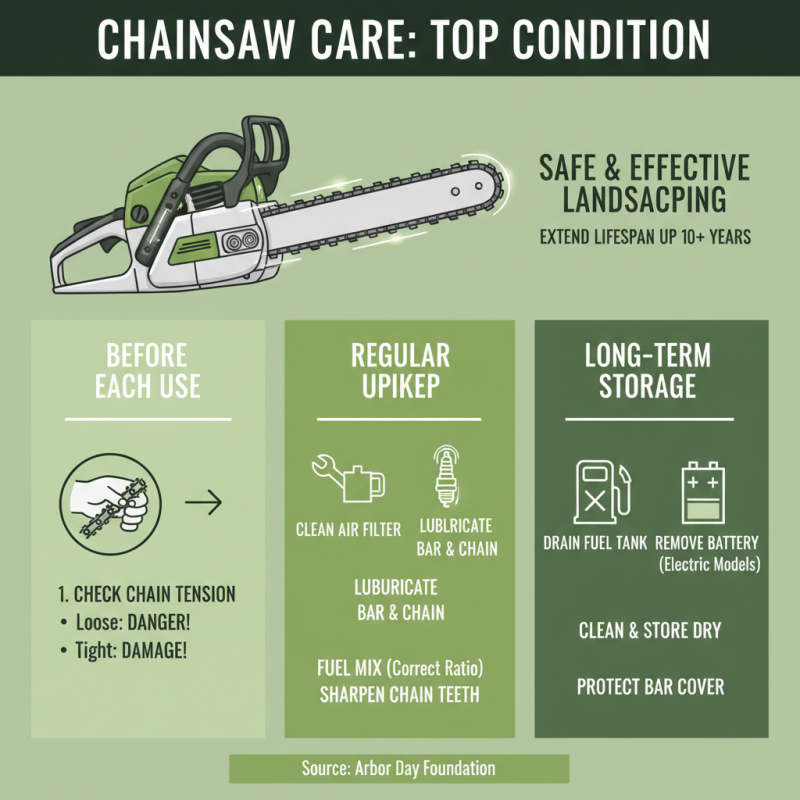
Maintaining your chainsaw is crucial for safe and effective landscaping. Regular upkeep can significantly extend its lifespan. The Arbor Day Foundation reports that a well-maintained chainsaw can last over 10 years with proper care. First, check the chain tension before each use. A loose chain can slip off, causing injuries. An overly tight chain can damage the bar and motor.
Cleaning the air filter is often overlooked. According to the U.S. Consumer Product Safety Commission, neglecting this step can reduce your chainsaw’s efficiency by 30%. A clogged filter restricts airflow, making the motor work harder. This increases fuel consumption and wear on the engine components. Periodically inspect the spark plug, too. A simple switch can enhance performance and fuel efficiency.
Additionally, consider sharpening the chain regularly. A dull chain does not cut efficiently, leading to increased effort and potential accidents. Experts suggest sharpening the chain after every five hours of heavy use. Use a file or grinder, and keep your cuts smooth. This ensures the chainsaw remains reliable, reducing the chance of unexpected failures during your landscaping projects. Keeping records of maintenance can help identify patterns or issues over time.