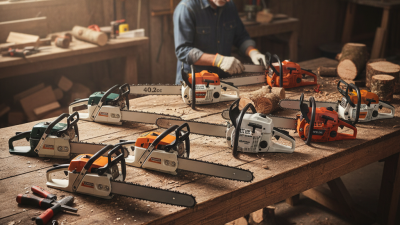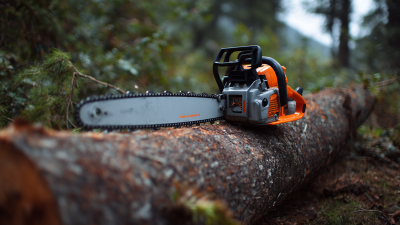
Choosing the best MS880 chainsaw starts with the work, not the biggest number on a product page. This is a powerful saw intended for demanding cutting, so its weight, balance, bar length, and maintenance needs deserve close attention. A long bar may seem reassuring, yet it can make the saw harder to handle and may not suit every task. Bigger is not always better.
The right Ms880 Chainsaw should match the wood you cut, how often you work, and your experience with heavy equipment. Check the manufacturer’s current specifications and confirm that the saw, guide bar, and chain are compatible. Compare the total package, too: availability of replacement parts, access to qualified service, and the condition of a used saw can matter more than a low asking price. Details count.
Before buying, inspect the controls and visible wear, and ask for maintenance records when available. Do not assume that two listings describe identical versions; specifications and included accessories can vary by market or seller. Protective equipment and proper training are essential parts of the decision, not optional extras. A careful choice may take longer. That is sensible. This guide outlines the key checks, trade-offs, and questions to consider, while recognizing that no single setup is best for every operator. A little uncertainty is useful here; it encourages verification instead of guesswork.
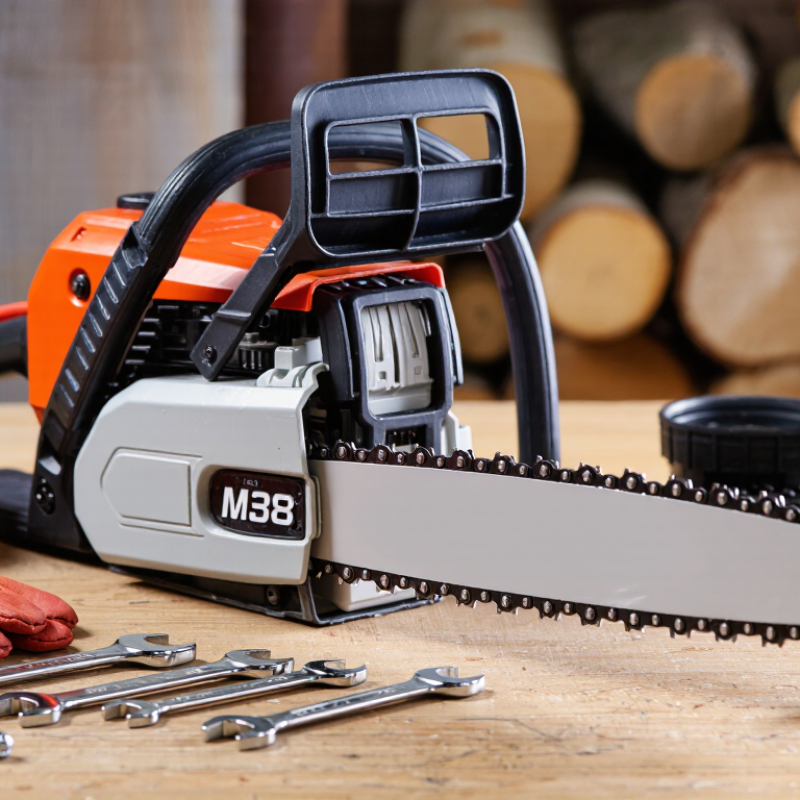
Before choosing an MS 880, define the work it will actually do. Its 121.6 cm³ displacement and 6.4 kW output point to a saw intended for demanding, sustained cutting, not casual pruning. Think of large-diameter timber, dense hardwood, and repeated cuts where a smaller saw may struggle. If most jobs involve branches or modest firewood rounds, this capacity may be more than you need.
Displacement describes engine size; output indicates available power. Neither guarantees fast cutting on its own. A sharp, correctly tensioned chain, suitable bar length, and sound maintenance all affect performance. In practice, a dull chain can make a powerful saw feel stubborn. It happens. Match the cutting setup to the timber and follow the operating instructions.
Also consider handling, not just numbers. A high-output saw can demand more strength and attention, especially during long sessions or awkward cuts. Check the complete saw’s weight and balance, and be honest about how long you can control it safely. Protective equipment and training matter. I would not choose this class based on peak power alone; workload, operator experience, and the size of the wood should guide the decision.
For an MS880-class saw, choose the guide bar by the timber’s diameter, not by maximum reach. Compatible setups may extend to 150 cm, but that length is not a practical default. A long bar adds weight and makes control harder, especially when the cut is above waist height. Check the exact bar mount, chain pitch, gauge, and drive-link count before buying; one mismatch can leave a costly setup unusable. A small detail, easily missed.
Tips: Measure the largest trunk you expect to cut, then choose the shortest compatible bar that handles it. Keep the bar nose clear of nearby branches, and follow the saw’s manual for approved configurations. Long-bar work calls for experienced handling and suitable protective equipment.
Timber condition matters too, though it does not determine bar fit. The USDA Forest Products Laboratory’s Wood Handbook (FPL-GTR-282, 2021) places wood’s fiber-saturation point near 30% moisture content. Above and below that point, moisture affects wood properties and handling. In the field, wet bark can hide uneven surfaces, while dry, hard timber may cut differently than expected. Bar length alone cannot predict the cut. Recheck the setup, chain condition, and workpiece before starting; even a carefully chosen bar deserves a second look.
When choosing a high-output chainsaw, assess the powerhead before judging its cutting performance. At about 9.9 kg without the bar and chain, it is already a substantial load; fuel and cutting gear add more. That changes the feel. A short lift in a shop may hide how the saw handles during repeated cuts. Check whether you can keep it close to your body, guide the nose accurately, and reposition it without twisting your back. Try the intended cutting setup, with the engine off, and use a stable stance. A scale can also confirm the actual configuration weight.
Ergonomics matter over a full work period. The European Agency for Safety and Health at Work’s ESENER-3 survey reported that 65% of surveyed workplaces identified repetitive hand or arm movements as a risk factor. This is broad workplace data, not a chainsaw-specific test, but it highlights why repeated gripping deserves attention. Note handle comfort, balance, and how quickly your forearms tire. Small details count. If the saw pulls forward, feels awkward when lowered, or strains your shoulders during a controlled practice lift, treat that as useful evidence. Weight alone does not predict comfort; technique, task duration, and the operator’s strength all matter. Be honest about the trade-off: a powerful saw may cut efficiently, yet feel tiring to control.
Choosing a chain for an MS880-class saw starts with the manufacturer’s specifications, not a seller’s “fits most” claim. Match the chain pitch to the drive sprocket and bar, then check gauge and exact drive-link count. A chain that looks right can still sit poorly in the bar groove or fail to tension correctly. Confirm the bar mount, too. Similar bar lengths do not guarantee compatible fittings.
Consumables need the same care. Check the manual for the specified air-filter type, spark-plug heat range, and bar-and-chain oil requirements. NIOSH’s Chain Saw Safety guidance cites an estimate of about 36,000 U.S. emergency-room-treated chainsaw injuries each year, a historical figure that reinforces why correct setup matters. It does not prove that mismatched parts cause every injury, but avoidable fit errors add risk. I would not rely on memory here; part numbers and measurements are easy to confuse.
Tips: Measure twice. Record the pitch, gauge, drive links, and bar mount from the manual and existing parts. If any marking is unreadable, pause and confirm with a qualified service professional before installing the component.
Before buying a high-powered saw, confirm who will operate it and what training they have completed. The U.S. Bureau of Labor Statistics reported a fatal injury rate of 100.7 per 100,000 full-time-equivalent workers in logging for 2022. That figure covers the occupation, not chainsaw use alone, but it signals the seriousness of the work. A powerful saw can turn a small handling error into a severe injury.
Ask whether operators have practical instruction in kickback control, starting procedures, cutting under tension, and tree-felling hazards. Training should include supervised practice, not just a manual or online video. OSHA’s logging standard, 29 CFR 1910.266, requires employers to ensure workers can safely perform assigned tasks and recognize hazards. Requirements differ by location, so check the rules where the saw will be used. It is an easy detail to miss.
Check the whole work setup, too. Operators need task-appropriate protective equipment, including eye and hearing protection, leg protection, gloves, and suitable boots. They should know how to inspect the chain brake, maintain chain sharpness, and stop work when a tree or limb behaves unpredictably. Keep a first-aid kit and a reliable way to summon help nearby. Training records matter, but observed skills matter more. A checklist cannot replace sound judgment in the woods.