2025 How to Choose the Best Chain Saw for Your Needs and Budget
When it comes to selecting the ideal chain saw for your specific needs and budget, the task can often feel overwhelming due to the myriad of options available. A chain saw is an essential tool for many homeowners and professionals alike, ranging from light-duty models for occasional yard work to heavy-duty versions designed for intensive logging. Understanding the various features, types, and cutting capacities can help you make an informed decision that aligns with your requirements.
In this guide, we will explore the critical aspects to consider when choosing a chain saw that fits your needs without breaking the bank. Factors such as engine size, guide bar length, and weight play a significant role in determining the efficiency and usability of the tool. Additionally, we will discuss safety features and maintenance tips to ensure that your investment delivers reliable performance and longevity. By the end of this overview, you will have a clear roadmap to navigate the selection process and choose the best chain saw that meets your expectations while staying within your financial limits.
Understanding Your Chain Saw Needs: Considerations and Priorities
When selecting the best chainsaw for your needs, it's essential to first understand the specific tasks you plan to undertake. Are you looking to fell trees, trim branches, or handle more intricate landscaping tasks? Assessing the scope of your projects will help you determine the power and size of the chainsaw necessary. For light pruning jobs, a lighter, electric or battery-operated chainsaw might suffice. Conversely, for heavy-duty cutting, such as taking down large trees, a gas-powered model with a longer bar length may be required to provide the necessary performance and efficiency.
Another vital consideration is safety and ease of use. Different chainsaws come with various features that enhance user safety, such as chain brakes and anti-vibration handles. Evaluate your comfort level with chainsaw operation, especially if you're a beginner. A model that is user-friendly with clear instructions and manageable weight can greatly affect both efficiency and safety during use. Additionally, consider maintenance needs and availability of parts or support services, as a model that is easy to maintain can save time and costs in the long run. Prioritizing these factors will ensure you make an informed choice that fits both your practical requirements and your budget.
2025 How to Choose the Best Chain Saw for Your Needs and Budget
Types of Chain Saws: Electric, Gas, and Battery-Powered Options
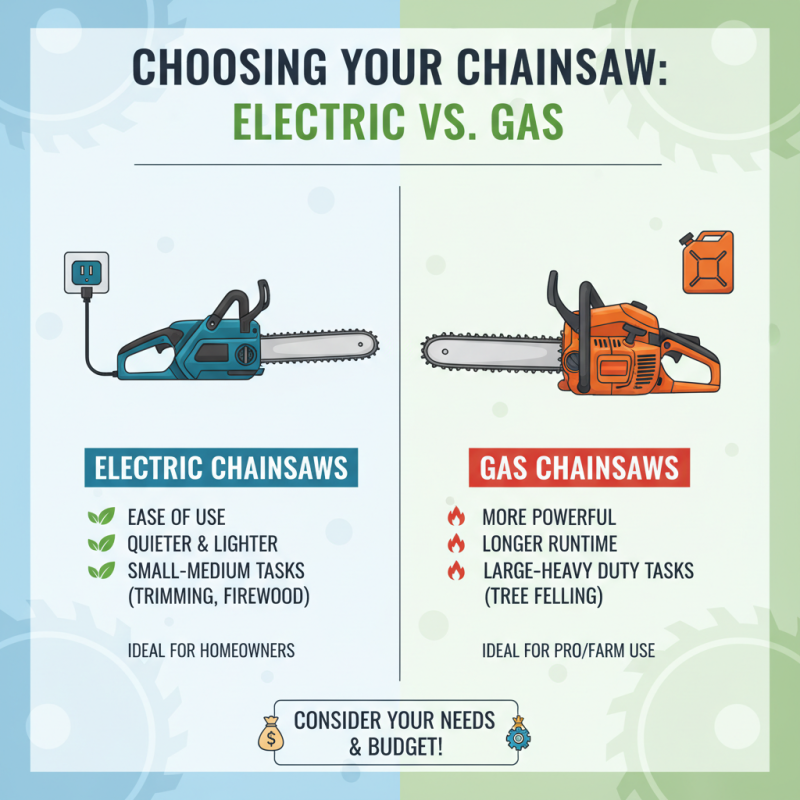
When choosing the best chainsaw for your needs and budget, it's essential to understand the different types available on the market. Electric chainsaws are popular for those who prioritize ease of use and minimal maintenance. They are quieter, lighter, and ideal for small to medium-sized tasks such as trimming branches or cutting firewood. Electric models are perfect for homeowners who have access to power outlets and prefer a tool that’s simple to operate without fuel-related concerns.
Gas chainsaws, on the other hand, are favored for their power and portability. These models can tackle larger jobs, making them suitable for more intensive tasks such as felling trees or cutting thick logs. However, they require regular maintenance and can be heavier and noisier than their electric counterparts. Gas chainsaws are ideal for users who need maximum performance and plan to work in remote areas without electricity.
Battery-powered chainsaws have emerged as a convenient option that combines the benefits of electric and gas models. They offer mobility and ease of use while producing less noise and vibration. Advanced battery technology has improved today’s cordless models, providing sufficient power for various tasks without the hassle of cords. Battery-powered chainsaws are suitable for light to medium tasks and are a great choice for those looking for a balance between power and convenience.
Key Features to Evaluate: Power, Weight, and Safety Measures
When it comes to choosing the best chain saw for your needs and budget, evaluating key features such as power, weight, and safety measures is crucial. The power of a chain saw is typically determined by its engine size or battery capacity, affecting its cutting ability. For heavy-duty tasks like felling trees or cutting dense wood, opt for a more powerful model. Conversely, if you're planning on using it for light maintenance or yard work, a less powerful, lightweight option will suffice and offer ease of handling.
Weight is another significant factor to consider. Heavier models can be challenging to maneuver, especially for extended periods. If you are not used to handling heavy machinery, it’s wise to choose a lighter saw that still meets your cutting needs. Remember that ergonomics plays a critical role; ensure the saw is comfortable to hold and operate.
**Tips:** When trying different chain saws, always test them out in the store if possible. Hold the chain saw to see how it feels in your hands and check for balance. Additionally, consider the safety measures incorporated into the design, such as chain brakes and anti-vibration features. These enhance not only your safety but also your overall experience as you work. Always prioritize models with excellent safety ratings to protect yourself while enjoying the task at hand.
2025 How to Choose the Best Chain Saw for Your Needs and Budget - Key Features to Evaluate
| Model |
Power (HP) |
Weight (lbs) |
Safety Features |
Price ($) |
| Model A |
3.0 |
10 |
Chain Brake, Anti-Vibration |
249 |
| Model B |
4.0 |
12 |
Quick Stop, Safety Lock |
329 |
| Model C |
2.5 |
9 |
Kickback Guard, Throttle Lock |
199 |
| Model D |
5.0 |
14 |
Auto-Oiling, Anti-Kickback |
399 |
| Model E |
3.5 |
11 |
Low Kickback Blade, Chain Brake |
279 |
Budgeting for a Chain Saw: Finding the Right Balance Between Cost and Quality
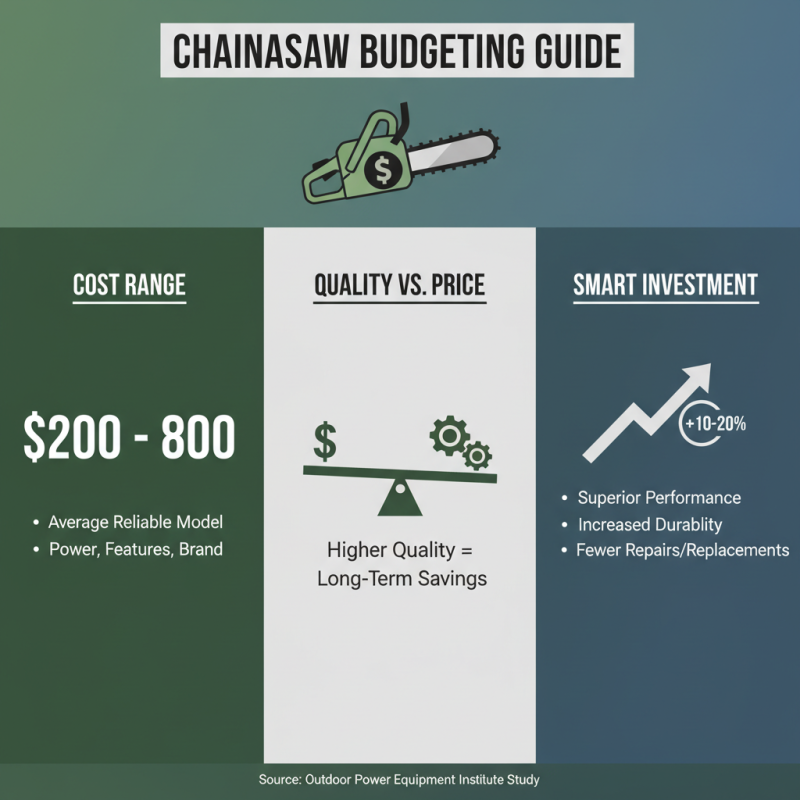
When budgeting for a chain saw, it's crucial to find the right balance between cost and quality. Industry reports indicate that the average cost of a reliable chain saw ranges from $200 to $800, depending on factors like power, features, and brand reputation. While it might be tempting to opt for the cheapest option available, investing in a higher-quality model can lead to long-term savings. According to a study by the Outdoor Power Equipment Institute, spending an additional 10-20% on better quality can result in superior performance and durability, reducing the frequency of repairs and replacements over time.
Additionally, consider the type of tasks you plan to undertake with your chain saw. For lighter tasks such as pruning or small tree cutting, a less expensive model may suffice. However, if your work involves heavy-duty cutting or tackling larger trees, a more robust model is advisable. Research shows that consumers often underestimate the cost of operating a chain saw, with maintenance and safety gear adding approximately 25% to the initial purchase price. Balancing your budget with these ongoing costs is essential to ensure a satisfactory ownership experience, allowing you to choose a chain saw that meets both your immediate needs and long-term expectations.
Maintenance and Longevity: Ensuring Your Chain Saw Lasts for Years
Maintaining a chain saw properly is crucial to ensuring its longevity and optimal performance. Regular cleaning after each use can prevent the buildup of sawdust and debris, which can impede the saw’s operation. Pay particular attention to the air filter and the chain, as these components are vital for the efficiency and safety of the saw. Additionally, lubricating the chain frequently will help reduce friction and wear, ultimately extending the life of both the chain and the bar.
Periodic inspections and maintenance checks are essential in prolonging the life of your chain saw. This includes checking the tension of the chain to ensure it is neither too loose nor too tight, which can lead to premature wear or safety hazards. Replacing dull chains promptly is equally important; a sharp chain not only cuts better but also reduces the strain on the motor. Investing time in routine maintenance not only enhances the performance of your chain saw but also saves money in the long run by avoiding costly repairs and replacements. By following these practices, you can enjoy a reliable tool that meets your needs for years to come.