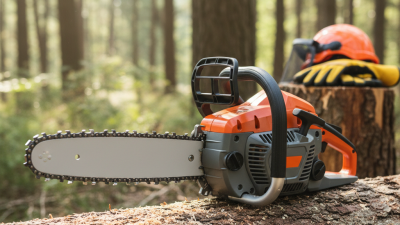
What is a Brush Cutter and How Does It Work?
A Brush Cutter is a powerful tool used for cutting thick grass and weeds. It plays a crucial role in landscaping and gardening. While mowing is a common approach, a brush cutter serves a different purpose. Unlike a regular lawnmower, it can navigate rough terrain easily. Its sharp blades can tackle dense vegetation that a mower cannot handle.
Understanding how a brush cutter works is essential for effective use. The machine features a motor that drives the cutting blade, spinning it at high speeds. Users can switch out blades for different jobs. Some blades are designed for thick brush, while others work better on lighter foliage. The versatility makes it an invaluable tool for various outdoor tasks.
However, using a brush cutter requires caution. Mishandling can lead to accidents or injuries. Also, maintaining the machine is vital to ensure its longevity. Users should regularly check for wear and tear. Exploring the brush cutter's features can enhance performance but may lead to confusion for some. Constant practice is essential for getting better at its use.
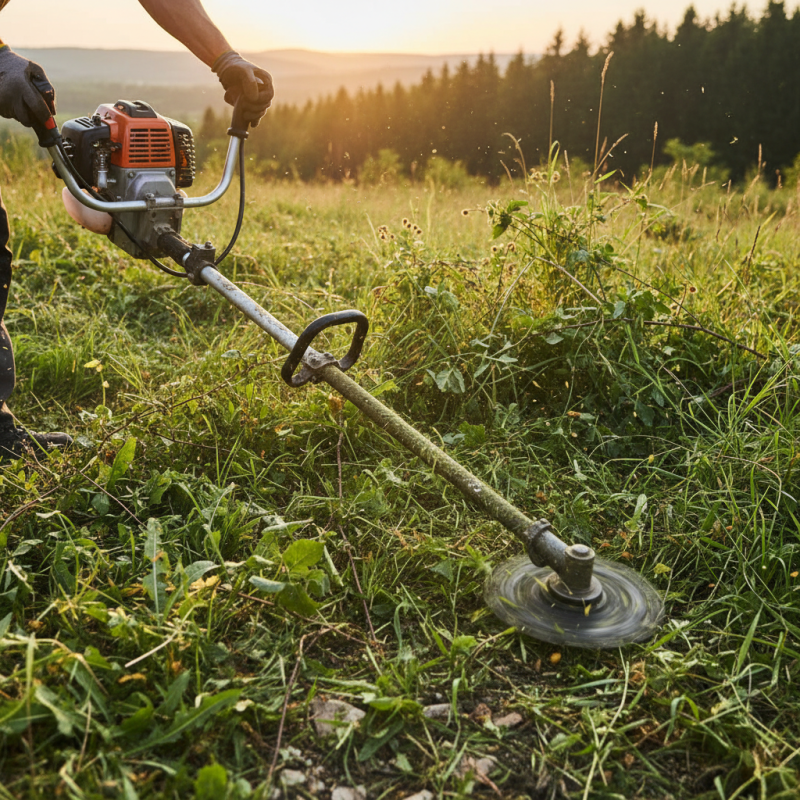
What is a Brush Cutter? Understanding the Tool and Its Purpose
A brush cutter is an essential tool for land management. It is designed to clear heavy vegetation and brush. The tool is powerful and efficient, making it popular among landscapers and gardeners. According to industry reports, over 35% of professional landscapers use brush cutters regularly. This equipment can easily cut through thick grass, weeds, and shrubs.
Understanding how a brush cutter works is crucial. It utilizes a rotating blade or string to tackle tough vegetation. Some models feature multiple blades for enhanced cutting power. A brush cutter can reduce the time spent on landscaping tasks. However, users must be careful. The tool can be dangerous without proper training. Many accidents happen due to improper handling.
Reports indicate that improper use contributes to over 20% of injuries related to outdoor power equipment. Familiarity with safety gear is vital. Protective glasses and gloves are necessary. Not everyone respects the power of this tool. Many underestimate the skills required to use it efficiently. The brush cutter is effective but requires knowledge and care to operate safely.
Components of a Brush Cutter: Key Parts Explained
A brush cutter is a versatile tool designed for cutting thick vegetation and brush. Understanding its key components is essential to grasp how it operates effectively.
One major part of a brush cutter is the engine. Typically, engines range from 25cc to 50cc in power. A more powerful engine helps tackle challenging growth. The cutter head is another crucial component. It can be fitted with various attachments, such as blades or line trimmers. In fact, reports suggest that using a blade can increase cutting efficiency by over 50% compared to standard nylon lines.
The shaft length matters too. Adjustable shafts can suit different user heights, improving comfort during operation. The material of the shaft also influences durability. Many models feature a combination of aluminum and steel for strength without excess weight. However, not all designs deliver optimal balance, which can lead to fatigue during prolonged use. This can be an essential factor to consider when looking at options.
How Does a Brush Cutter Work? The Mechanics Behind the Tool
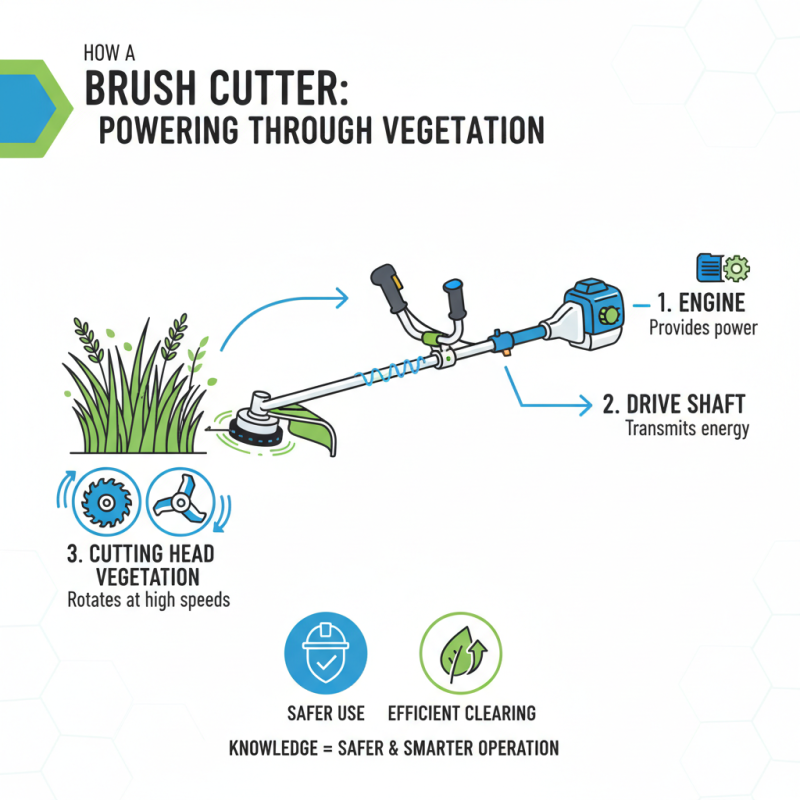
A brush cutter is a powerful tool designed to clear dense vegetation. It operates using a rotating blade or a string, depending on the tasks. When the machine starts, the engine provides energy to the shaft. This drives the cutting head, which spins at high speeds. The fast rotation allows the blades to slice through thick grass and brush easily. Knowing how it works makes using it safer and more efficient.
Tip: Always wear protective gear. Safety goggles and gloves are essential. They can prevent injuries from flying debris. This is crucial, especially when dealing with thick underbrush.
The mechanics of a brush cutter can seem complex. However, understanding its operation can help in maintenance. Regularly check the blade for wear and replace it as needed. A dull blade can affect performance and lead to frustration. Periodic maintenance ensures the tool works effectively and lasts longer. Keep in mind that improper use can cause accidents. Always follow safety guidelines for the best experience.
Types of Brush Cutters: Choosing the Right One for Your Needs
When selecting a brush cutter, understanding the types available is crucial. Generally, there are two main categories: gas-powered and electric. Gas-powered brush cutters are often favored for their power and effectiveness over thick brush. They are suitable for larger areas but can be heavier and require more maintenance. Meanwhile, electric models are lighter, quieter, and easier to handle. They are ideal for smaller yards or residential use.
Research indicates that approximately 60% of users prefer gas-powered models for tough jobs. However, electric brush cutters are on the rise, showing a 30% increase in popularity among homeowners, primarily due to their eco-friendliness. Choosing the right type involves assessing your typical terrain. If you encounter thick weeds and dense vegetation, a gas model may be necessary. For simple lawn edges, an electric cutter may suffice.
Lastly, consider the weight and ergonomics. Many users report discomfort due to heavy models. Comfort can affect performance. A poorly chosen brush cutter can result in fatigue and dissatisfaction. Take your time. Test different models if possible to find the perfect fit.
Safety Tips for Using a Brush Cutter Effectively and Responsibly
Using a brush cutter can make yard work easier, but safety is paramount. Always wear proper gear before starting. This includes gloves, goggles, and sturdy shoes. Ear protection is also advisable. A brush cutter is powerful, and loose clothing can catch in the blades. Accidents happen, and a moment of distraction can be costly.
Before operating the machine, clear the area of rocks and debris. Look out for hidden obstacles. These can cause damage to the equipment or injury. It’s not just about cutting grass; you’re handling a tool that can cause harm if misused. Be aware of your surroundings. Other people, pets, and even wildlife can be nearby.
While operating, maintain a steady posture. Avoid overreaching; it can lead to loss of balance. If the tool becomes difficult to control, take a break. A misuse of strength can lead to mistakes. Pay attention to vibrations and sounds from the machine. If something feels off, stop immediately. Reflecting on your technique will help improve your skills and safety over time.