What is a Brush Cutter and How Does it Work?
A brush cutter is an essential tool in landscape management and agriculture. According to a report by IBISWorld, the brush cutter industry has seen a steady growth of 3.4% annually over the past five years. This growth reflects the increasing demand for effective land clearing solutions. Experts like Dr. Samuel Greene, a leading authority in gardening equipment, emphasizes, “A brush cutter is not just a tool; it’s a game changer for large-scale land maintenance.”
Brush cutters are powerful machines designed to tackle dense vegetation. They are often used in areas where traditional lawnmowers cannot operate effectively. With advancements in technology, modern brush cutters feature lightweight designs and enhanced power efficiency. However, despite their advantages, users must be aware of safety protocols. Proper training and protective gear are paramount to prevent accidents.
While brush cutters can simplify land clearing tasks, they may not eliminate all challenges. Users sometimes struggle with machine maintenance, which can lead to downtime. Additionally, improper use can damage delicate ecosystems. Reflecting on these issues highlights the need for greater education on brush cutter operation. This awareness can foster a more responsible approach to land management and tool use.

What is a Brush Cutter?
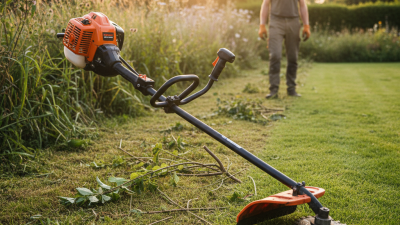
A brush cutter is a powerful tool designed for cutting thick vegetation. It is commonly used in landscaping, agriculture, and forestry. Unlike a lawn mower, which is made for grass, a brush cutter can tackle shrubs, weeds, and small trees. This versatility makes it essential for maintaining large properties or natural areas.
The tool typically features a sturdy metal blade or string, which rotates rapidly. Operators must wear protective gear due to potential flying debris. Using a brush cutter requires some practice to handle effectively. It's easy to lose control if not careful. Additionally, users should ensure proper maintenance to avoid breakdowns. Poor maintenance can lead to inefficiency and dangerous situations.
With this tool, safety should always be the priority. Missteps can lead to injuries or damage to the landscape. Familiarity with the equipment ensures better performance, but beginners may face challenges. Learning how to maneuver correctly takes time and patience. Emphasizing the importance of practice and caution can lead to improved outcomes.
Types of Brush Cutters and Their Uses
Brush cutters are versatile tools used for maintaining landscapes. They come in different types, each suited to specific tasks. Understanding these types can help you choose the right one for your needs.
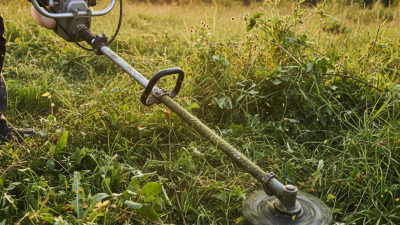
The most common type is the string trimmer. It uses a rotating monofilament line to cut grass and light brush. It is perfect for edging and trimming around flower beds. For thicker vegetation, the blade-type brush cutter is more effective. These have metal blades that can tackle tougher weeds and small trees. Many people find the transition from a string trimmer to a blade cutter challenging, but practice improves the experience and efficiency.
Another type is the clearing saw. This tool is heavier and designed for large areas with dense growth. It has a more powerful engine and can cut through tougher materials. However, new users may feel overwhelmed by its power. Safety precautions must be taken. A proper understanding of each type ensures you can effectively manage your outdoor space. Reflect on your needs and consider the challenges each tool presents.
How Brush Cutters Work: Mechanism Explained
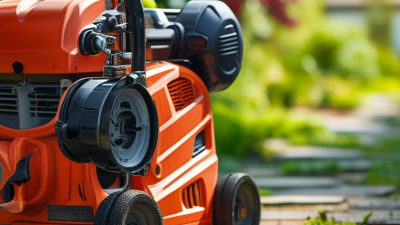
Brush cutters are powerful tools designed for heavy-duty vegetation management. They operate using a rotating blade or a string trimmer head driven by a motor. This mechanism allows them to tackle thick grass, weeds, and even small shrubs. The engine drives a spindle that spins the cutting attachments at high speeds. Understanding this basic mechanism is vital for effective use and maintenance.
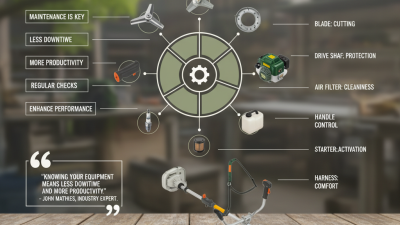
To ensure longevity, regular maintenance is essential. Check the fuel system often. Clean or replace filters as needed. A clogged filter can hinder performance. Pay attention to the sharpness of the blades. Dull blades require more effort, which can lead to machine wear. If an attachment gets stuck, do not force it. Instead, slow down and carefully remove the obstruction.
Proper safety gear is important too. Wearing gloves, goggles, and sturdy boots can prevent injuries. Be aware of your surroundings. Brush cutters can throw debris at high velocities. Always inspect the area before starting. Work in sections to ensure thorough coverage and avoid leaving patches behind. Practice makes perfect; each job will enhance your skills.
Safety Precautions When Using a Brush Cutter
Using a brush cutter can be efficient for tackling dense vegetation. However, safety precautions are essential. Always wear protective gear, including gloves, goggles, and a hard hat. These items shield you from debris and reduce the risk of injury. Foot protection is also vital; sturdy boots with ankle support can prevent slips and cuts.
Remember that brush cutters are powerful tools. Before starting, check the area for hidden obstacles like rocks or electrical wires. This will help you avoid accidents. It’s easy to overlook these details, but they are crucial. Always keep others at a safe distance while operating the equipment. One mistake can lead to serious injuries.
Be aware of your surroundings. If the weather is windy, wait for a calmer day. Wind can carry debris in unexpected directions. Regularly inspect your brush cutter for any wear and tear. Malfunctioning equipment can lead to dangerous situations. Ensuring everything is in good condition will keep you safe. Reflect on your technique and improve with each use.
What is a Brush Cutter and How Does it Work? - Safety Precautions When Using a Brush Cutter
| Feature |
Description |
| Definition |
A brush cutter is a type of power tool or equipment used for cutting through thick grass, weeds, and small bushes. |
| Mechanism |
Brush cutters operate using a gasoline engine or electric motor that drives a rotating blade, allowing for efficient cutting. |
| Types of Blades |
Common blades include steel brush blades for tough materials and nylon string for grass and weeds. |
| Safety Gear |
It is crucial to wear safety goggles, gloves, sturdy shoes, and hearing protection while operating a brush cutter. |
| Operating Procedures |
Always inspect the equipment before use. Maintain a steady footing and keep bystanders at a safe distance. |
| Maintenance Tips |
Regularly check and clean the air filter, sharpen blades, and ensure fuel quality for optimal performance. |
Maintenance Tips for Optimal Brush Cutter Performance
Maintaining your brush cutter is essential for optimal performance and longevity. Regularly check the air filter, as a clogged one can reduce engine efficiency. Clean it often, especially after heavy use. Keeping the spark plug in good condition ensures smooth starts and reliable operation. If it shows signs of wear, replace it promptly to avoid engine trouble.
Blade maintenance is vital too. A sharp blade cuts efficiently, reducing strain on the engine. Inspect the blades for damage after each use. Sharpen or replace them as needed. Additionally, remember to store the brush cutter in a dry place to prevent rust. Fuel quality matters as well; use fresh fuel to prevent engine problems caused by old gasoline.
Pay attention to the outer casing and handle. Check for cracks or loose screws, which can affect safety and performance. It’s easy to overlook these details, but they are crucial. Taking a few minutes for these checks can save time and money later on. Regular maintenance can help you enjoy the full benefits that a brush cutter offers.
Brush Cutter Performance Analysis