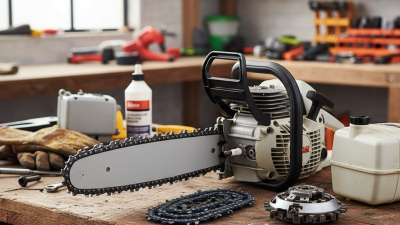
2026 Top Chainsaw Parts Buyers Guide for Global Procurement
In the realm of forestry and landscaping, chainsaw parts play a crucial role in ensuring efficiency and safety. As the demand for chainsaws grows globally, understanding the components that make up these machines becomes essential for procurement specialists. This guide aims to assist buyers in navigating the complex market for chainsaw parts.
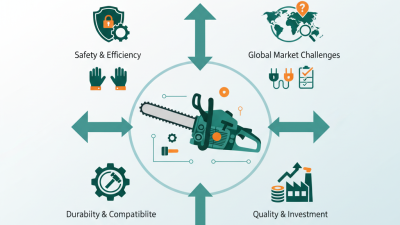
The process of sourcing these parts can be daunting. Different brands, materials, and specifications matter significantly when making a purchase decision. Quality and compatibility are key factors. Poor choices can lead to inefficiencies and increased costs. Knowing how to evaluate suppliers is vital for successful procurement.
Navigating this market requires experience and knowledge. Buyers must consider factors like durability and warranty. Furthermore, keeping an eye on market trends can reveal hidden opportunities. In this fast-paced industry, relying solely on past practices may not yield the best results. Adapting to new information and reflecting on procurement strategies can enhance your purchasing effectiveness. Chainsaw parts are not just spare components; they are vital elements that impact overall performance and satisfaction.
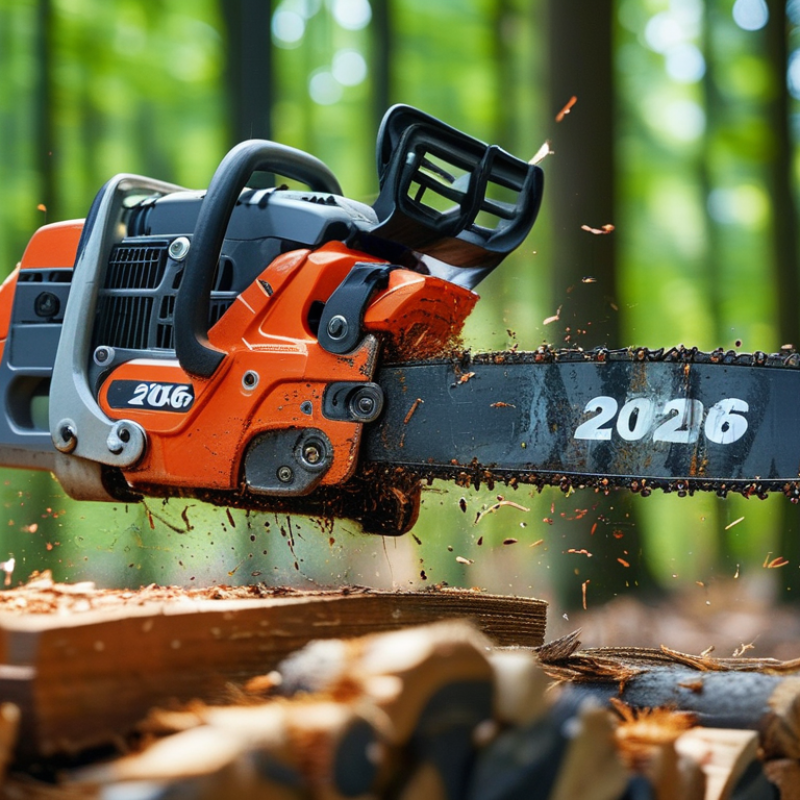
Understanding Chainsaw Components: Key Parts Explained
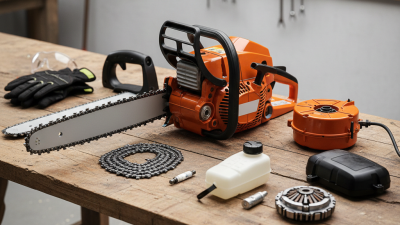
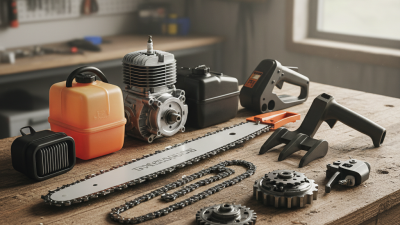
Chainsaws are intricate machines with various components, each playing a critical role. The engine powers the saw, generating enough torque to cut through tough wood. A report by the International Chainsaw Association indicates that the engine's power is essential for productivity, especially in professional environments where time equals money.
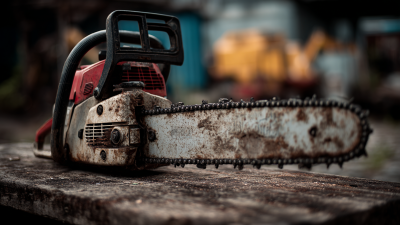
The bar and chain work together to facilitate cutting. The bar guides the chain, while the chain's teeth make the actual cut. According to industry studies, the quality of these pieces significantly affects the efficiency of cutting operations. Many users overlook the importance of regular maintenance. A worn bar can lead to uneven cuts and increased operator fatigue. Regular inspection and timely replacement can enhance performance and safety.
Lubrication system is another key component that often gets neglected. It prevents overheating and reduces wear on moving parts. A survey showed that nearly 45% of chainsaw failures stem from inadequate lubrication. Users should ensure proper oil levels and inspect the system regularly. This attention to detail can prolong the life of the chainsaw and improve overall efficiency.
2026 Chainsaw Parts Demand Analysis
Essential Factors in Chainsaw Part Selection for Buyers
In selecting chainsaw parts, buyers must consider various essential factors. Quality is paramount. Durable materials ensure that the parts can withstand the rigors of heavy use. However, determining quality can be challenging. Buyers often rely on certifications or performance reviews to gauge reliability. Not all parts meet advertised standards. This discrepancy can lead to frustration and increased costs.
Compatibility is another crucial aspect. Parts should fit seamlessly with the chainsaw model. Mismatched components can cause safety issues and operational inefficiencies. Buyers frequently overlook this detail but choosing the correct parts can enhance performance significantly. It is wise to consult manuals or online resources. Sometimes, what seems to fit may lead to problems later on.
Moreover, it is important to evaluate the supplier's reputation. Suppliers should offer clear return policies and warranty options. This can build trust and ensure buyers feel secure in their purchases. Yet, some suppliers may not have transparent practices. Conducting thorough research is vital. Following user reviews and seeking expert opinions can provide valuable insights. In the end, informed decisions can lead to successful chainsaw maintenance and operation.
Global Market Trends in Chainsaw Parts Procurement
The global market for chainsaw parts has shown significant shifts in recent years. As of 2023, the chainsaw parts market is poised to grow at a compound annual growth rate (CAGR) of approximately 5.4% until 2026. This growth is primarily driven by increasing demand in landscaping and agriculture sectors. A report from a leading industry analyst noted that Asia-Pacific will be the fastest-growing region, reflecting heightened interest in outdoor equipment.
Procurement practices are evolving. Many companies are adopting digital platforms for sourcing chainsaw parts. The reliability of suppliers is crucial. In a survey, over 60% of procurement professionals identified quality assurance as their top priority. However, maintaining consistent quality remains a challenge. Variability in production standards across different regions can complicate the procurement process.
Market trends indicate a rise in sustainability efforts. Manufacturers are increasingly focusing on eco-friendly materials to meet regulatory demands. Yet, this shift can lead to higher costs. Companies must balance sustainability with profitability. Many are still grappling with supply chain disruptions caused by recent global events. This ongoing complexity urges professionals to remain vigilant and adaptable.
2026 Top Chainsaw Parts Buyers Guide for Global Procurement
| Part Type |
Material |
Global Demand Index (0-100) |
Growth Rate (%) |
Average Price (USD) |
| Chainsaw Chain |
Steel |
85 |
5.5 |
25.00 |
| Guide Bar |
Aluminum |
78 |
4.2 |
45.00 |
| Spark Plug |
Ceramic & Metal |
90 |
3.0 |
10.00 |
| Air Filter |
Plastic & Foam |
80 |
6.0 |
12.00 |
| Oil Pump |
Plastic & Metal |
75 |
4.5 |
30.00 |
Evaluating Quality Standards and Certifications for Chainsaw Parts
When sourcing chainsaw parts, understanding quality standards and certifications is crucial. Research shows that parts meeting stringent quality benchmarks can significantly enhance performance and safety. Look for certifications such as ISO and ANSI. These labels indicate that the product adheres to specific manufacturing criteria and operational safety norms.
Tips: Always ask for documentation of compliance. Many sellers may promise quality but lack proper certification. It’s your responsibility to verify this.
Pay attention to the materials used in the manufacturing process. Higher-grade materials contribute to longevity but may not always be visible. In some cases, aesthetic imperfections might exist, yet they don't diminish functionality. Quality testing should be a priority, and request evidence of tests conducted on chainsaw components.
Tips: Consider a supplier's history and reputation. Sometimes, newer companies offer innovative products but lack a proven track record. Prioritizing established vendors can mitigate risks in your procurement process.
Top Suppliers and Manufacturers in the Chainsaw Parts Industry
In the chainsaw parts industry, selecting the right suppliers is crucial. Various suppliers offer diverse components, from saw chains to air filters. Quality and performance matter greatly in chainsaw operations. Buyers need to evaluate suppliers based on product reliability, delivery times, and customer service.
Many manufacturers focus on innovation and quality assurance to stand out. Yet, not every supplier maintains high standards consistently. This inconsistency can lead to operational challenges. As businesses become global, sourcing from international suppliers demands due diligence. Buyers should investigate certifications and past customer reviews to gauge reliability.
Communication with suppliers helps mitigate risks. Clear expectations can prevent misunderstandings. Still, building relationships takes time, and potential alignments can shift. Adapting strategies based on market changes is essential for sustained success. Being proactive in supplier evaluation leads to better procurement outcomes in the chainsaw parts sector.