2025 Top Gasoline Engine Parts You Need to Know for Optimal Performance
In the ever-evolving realm of automotive technology, understanding the fundamental components that contribute to a vehicle's performance is crucial for both enthusiasts and everyday drivers. The year 2025 brings with it advancements in gasoline engine parts that promise enhanced efficiency, reduced emissions, and improved overall functionality. As manufacturers continue to innovate, the selection and maintenance of these parts become paramount for those seeking to optimize their engines.
Among the myriad of gasoline engine parts, certain components stand out due to their critical roles in engine performance. From advanced fuel injectors to high-performance spark plugs, each part serves a unique purpose that impacts not only the power output but also the longevity of the engine itself. In this landscape, knowledge becomes power; being informed about which parts to prioritize can lead to significant improvements in vehicle reliability and driving experience.
As we delve into the essential gasoline engine parts for 2025, this guide aims to illuminate the key components that every car owner should be aware of. By understanding these parts, drivers can make informed decisions that will enhance their vehicle's performance and ensure a smoother ride in the years to come.
Essential Fuel System Components for Peak Engine Efficiency
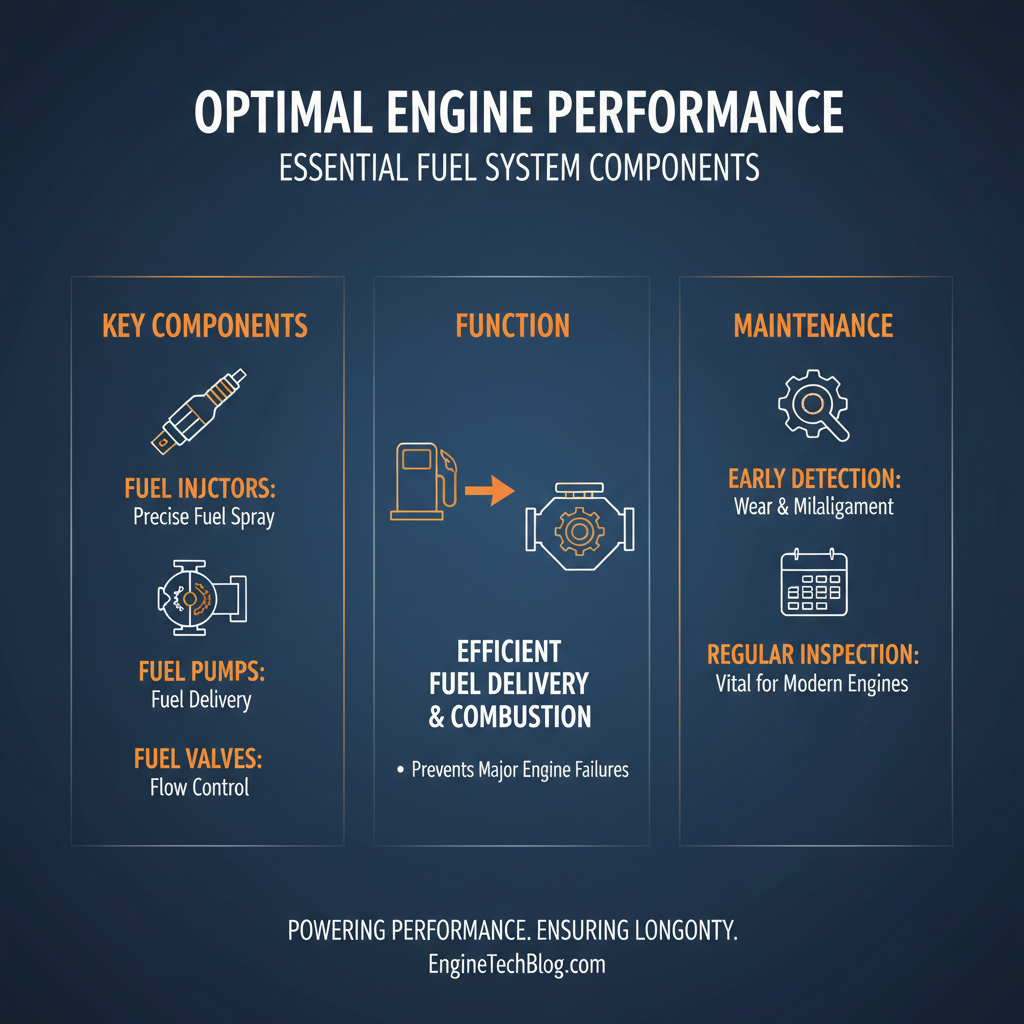
In the pursuit of optimal engine performance, understanding essential
fuel system components is crucial. Systems such as
fuel injectors, pumps, and valves play a significant role in ensuring
efficient fuel delivery and combustion in gasoline engines. Early detection of wear or misalignment
in these components can prevent major engine failures. Regular maintenance and
inspection are vital, particularly with advancements in engine
technologies, which highlight the intricacies of fuel system operations.
Research into the impacts of fuel blends, such as gasoline-ethanol mixtures,
demonstrates the evolving landscape of fuel compatibility and performance. As manufacturers innovate systems to
enhance efficiency, the integration of advanced fuel technologies negates historical limitations and promotes
greater adaptability in various operational environments. Maintaining the health of fuel system components is
not just about adhering to routine checks; it is an investment in the overall longevity
and efficiency of the engine, ensuring peak performance amid changing fuel dynamics.
Understanding Ignition System Parts for Enhanced Performance
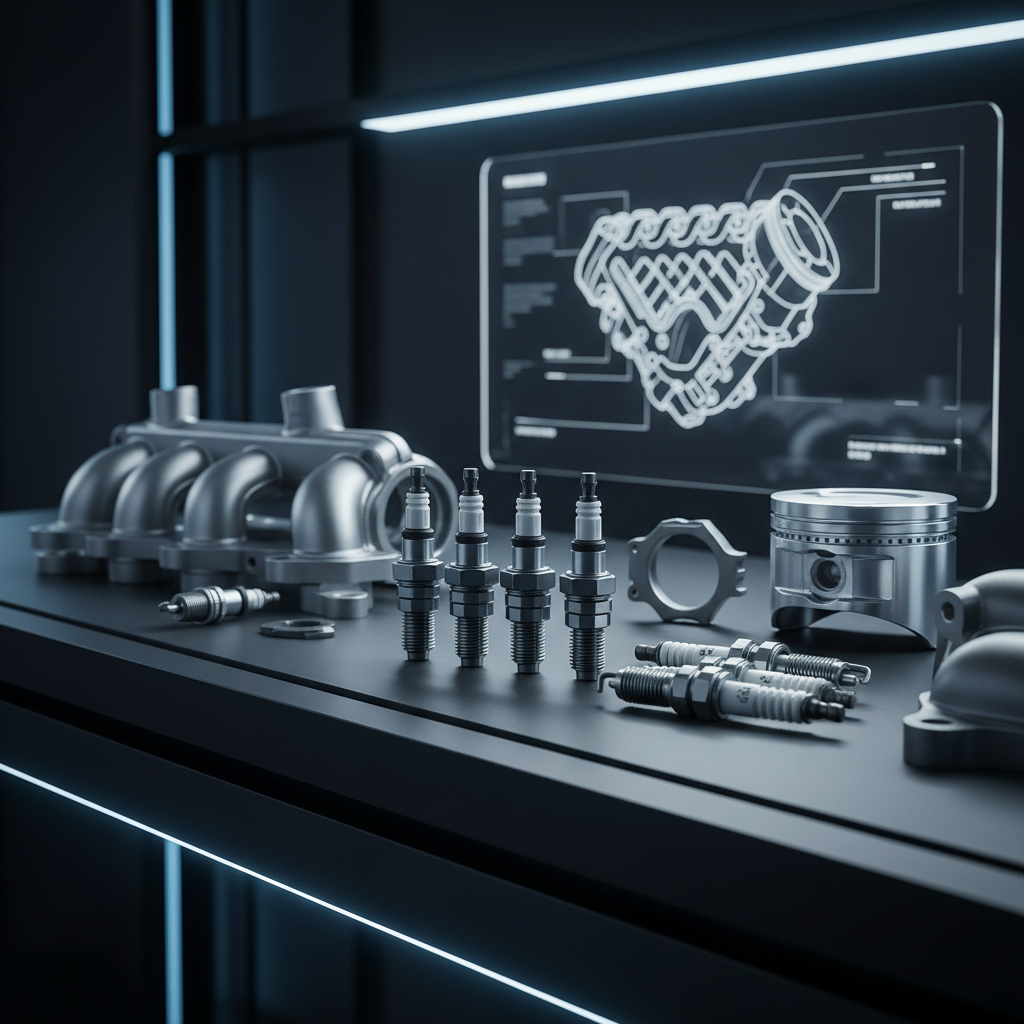
The ignition system plays a critical role in determining the performance and efficiency of gasoline engines. Key components such as spark plugs, ignition coils, and distributors are essential for ensuring that the air-fuel mixture ignites at the right moment. Spark plugs, specifically, are vital as they create the spark that ignites the combustible mixture in the combustion chamber. Selecting the right type of spark plug can enhance engine performance by improving fuel efficiency and reducing emissions.
Another crucial element in the ignition system is the ignition coil, which transforms the battery's low voltage into the high voltage needed to create a spark. High-quality coils can provide better energy delivery, leading to more efficient combustion and, ultimately, improved power output. Additionally, the distributor is responsible for routing the spark to the correct cylinder at the precise time, making its proper functioning essential for smooth engine operation. By understanding and optimizing these ignition system parts, vehicle owners can significantly enhance their engine's performance and longevity.
Critical Engine Block Features for Optimal Operation
When discussing optimal performance in gasoline engines, the engine block is a critical component that should not be overlooked. It serves as the core structure that houses various engine parts, including cylinders, pistons, and crankshafts. Key features to consider in an engine block include material composition, design, and cooling efficiency. For instance, aluminum blocks are lightweight and improve performance but may be less durable than cast iron. Understanding these distinctions can help you select the right engine block for specific performance needs.
**Tip:** Regularly check for any signs of cracking or warping in the engine block, as these can severely impair engine efficiency and lead to costly repairs.
Cooling efficiency is another crucial aspect of the engine block. A well-designed block should facilitate optimal heat dissipation to prevent overheating during operation. Innovations such as integrated coolant passages can improve thermal management. This is essential for maintaining engine integrity and performance over time.
**Tip:** Upgrading to a high-performance coolant can further enhance heat transfer and protect against corrosion within the engine block. Keeping the cooling system well-maintained will extend the lifespan of the engine and improve overall performance.
Oil Circulation and Cooling Components to Maintain Engine Health
In 2025, the efficiency of gasoline engines remains critically dependent on optimal oil circulation and cooling components. According to a report by the Society of Automotive Engineers (SAE), proper oil flow can improve engine efficiency by up to 5%, significantly cutting fuel consumption and emissions. Key components such as the oil pump, oil filter, and coolant pathways play vital roles in maintaining this flow and preventing overheating, which is essential for preserving engine health and longevity.
To ensure optimal performance, regular maintenance of these components is crucial. Tips for maintaining oil circulation include using high-quality oil that meets manufacturer specifications and changing it at recommended intervals. Additionally, replacing the oil filter during oil changes can help maintain the purity and effectiveness of the oil, thus supporting better lubrication and cooling.
Cooling components, such as the radiator and thermostats, also require attention. It's essential to monitor coolant levels and ensure there are no leaks in the cooling system. Moreover, maintaining clean and efficient radiators can enhance heat dissipation, reducing the risk of engine overheating. By focusing on these areas, drivers can help ensure their gasoline engines perform optimally and achieve longevity.
Advanced Performance Upgrades for Gasoline Engines in 2025
As we approach 2025, gasoline engine enthusiasts can look forward to a range of advanced performance upgrades that promise to enhance engine efficiency and power output. One of the key upgrades includes high-performance intake manifolds that optimize airflow, allowing for improved combustion. These components not only boost horsepower but also enhance throttle response, providing a more exhilarating driving experience.
Another crucial upgrade involves the integration of electronic fuel injection systems, which utilize advanced algorithms to fine-tune fuel delivery based on real-time engine conditions. This precision ensures better fuel efficiency and reduced emissions, aligning with modern environmental standards. In addition, lightweight forged pistons are becoming increasingly popular as they reduce reciprocating mass and increase engine responsiveness, while also improving durability under higher performance conditions. These innovations are paving the way for gasoline engines that not only perform better but also meet the demands of both enthusiasts and regulatory requirements.
2025 Top Gasoline Engine Parts You Need to Know for Optimal Performance
| Part Name |
Description |
Benefits |
Recommended Upgrade |
| High-Performance Air Filter |
An air filter designed to enhance airflow and improve filtration. |
Increased horsepower and better fuel efficiency. |
Upgrade to a washable, reusable air filter. |
| Performance Exhaust System |
An exhaust system designed to improve gas flow and sound. |
Better engine response and a sportier sound. |
Consider a cat-back or reducer exhaust system. |
| ECU Tuning Chip |
An electronic chip that modifies engine parameters for performance. |
Improved throttle response and horsepower. |
Look for customizable maps suited to your driving style. |
| Upgraded Fuel Injectors |
Injectors that deliver increased fuel flow for higher performance. |
Enhanced acceleration and efficiency. |
Choose injectors that are compatible with your engine size. |
| High-Performance Spark Plugs |
Spark plugs designed for better ignition and thermal conductivity. |
Smoother acceleration and improved fuel combustion. |
Opt for iridium or platinum plugs for longevity. |